CN Soft Serve
CN Soft Serve
CN Soft Serve
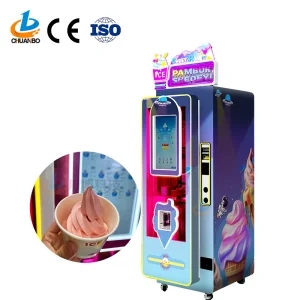
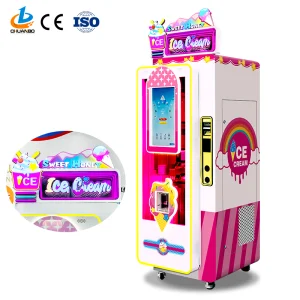
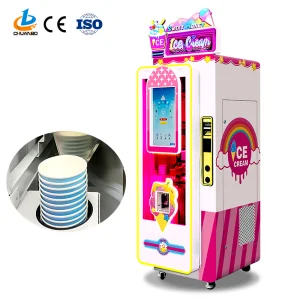
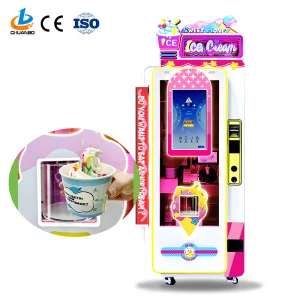
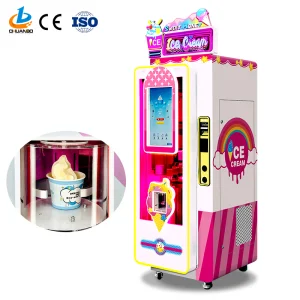
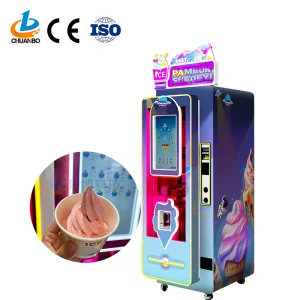
Pioneering automated soft-serve solutions configured for high-traffic Swiss locations and premium milk formulations.
Switzerland represents one of the most sophisticated consumer markets globally. With a reputation for high purchasing power, strict food safety regulations (administered by the Federal Food Safety and Veterinary Office - BLV), and a strong preference for premium, locally sourced dairy ingredients, the demand for high-end dessert equipment is unique. In Swiss gastronomy, convenience retail, and public transport hubs, businesses are shifting rapidly toward automated, IoT-enabled retail solutions. This whitepaper analyzes how high-capacity, luxury-model soft serve ice cream machines are addressing Swiss market needs.
With Swiss minimum wage rates ranking among the highest globally, maintaining manned dessert counters throughout long operating hours is increasingly cost-prohibitive. Businesses operating in shopping centers like Shopville-Zürich Hauptbahnhof, Westside Bern, or Mall of Switzerland require automated kiosks that can run 24/7 without personnel costs. Furthermore, Swiss consumers demand hygienic reliability. Traditional soft serve machines require manual dismantling and cleaning daily, which increases labor costs. Our luxury models feature advanced CIP (Clean-In-Place) concepts, reducing maintenance intervals while strictly complying with the Swiss Ordinance on Foodstuffs and Utility Articles (GeBVO).
Energy efficiency is a cornerstone of the Swiss federal "Energy Strategy 2050". Standard, inefficient cooling compressors are heavily penalized or prohibited under Swiss environmental acts. Our luxury ice cream machines utilize advanced, high-efficiency Embraco or Tecumseh compressors combined with eco-friendly refrigerants (such as R290 or R448A). This configuration achieves optimal thermodynamic performance while keeping the electricity footprint low—a vital consideration for Swiss B2B buyers looking to minimize operational overheads and align with local green corporate mandates.
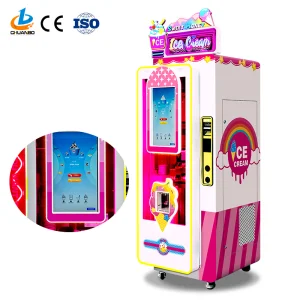
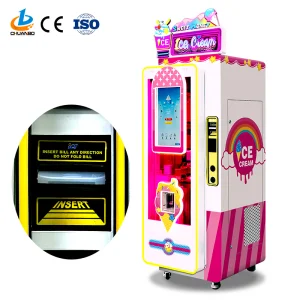
A crucial factor in commercial conversion rate optimization for unattended retail kiosks in Switzerland is local payment integration. While globally, visa/mastercard and standard QR payment are common, Swiss consumers rely heavily on TWINT and PostFinance. Our machines feature open-architecture Linux/Android platforms with customizable SDK options. This allows Swiss distributors and operators to smoothly interface with local payment gateways and telemetry providers (such as PayTec or CCV Switzerland), providing a frictionless transaction experience that takes less than 15 seconds from selection to payment authorization.
Swiss consumers expect high milk solids, premium overrun texture, and clean ingredient profiles. The mechanical architecture of our luxury models includes adjustable high-speed air pumps. This allows operators to perfectly calibrate the overrun (the percentage of air introduced into the mix) to match the unique viscosity of Swiss alpine milk mixes. The result is a velvety, dense soft serve that honors the rich dairy traditions of regions like Gruyères or Emmental, while preventing the product breakdown common in lower-tier machinery.
A look at our factory profile, QC traceability, and global certificates required for importing into Switzerland (EFTA region).
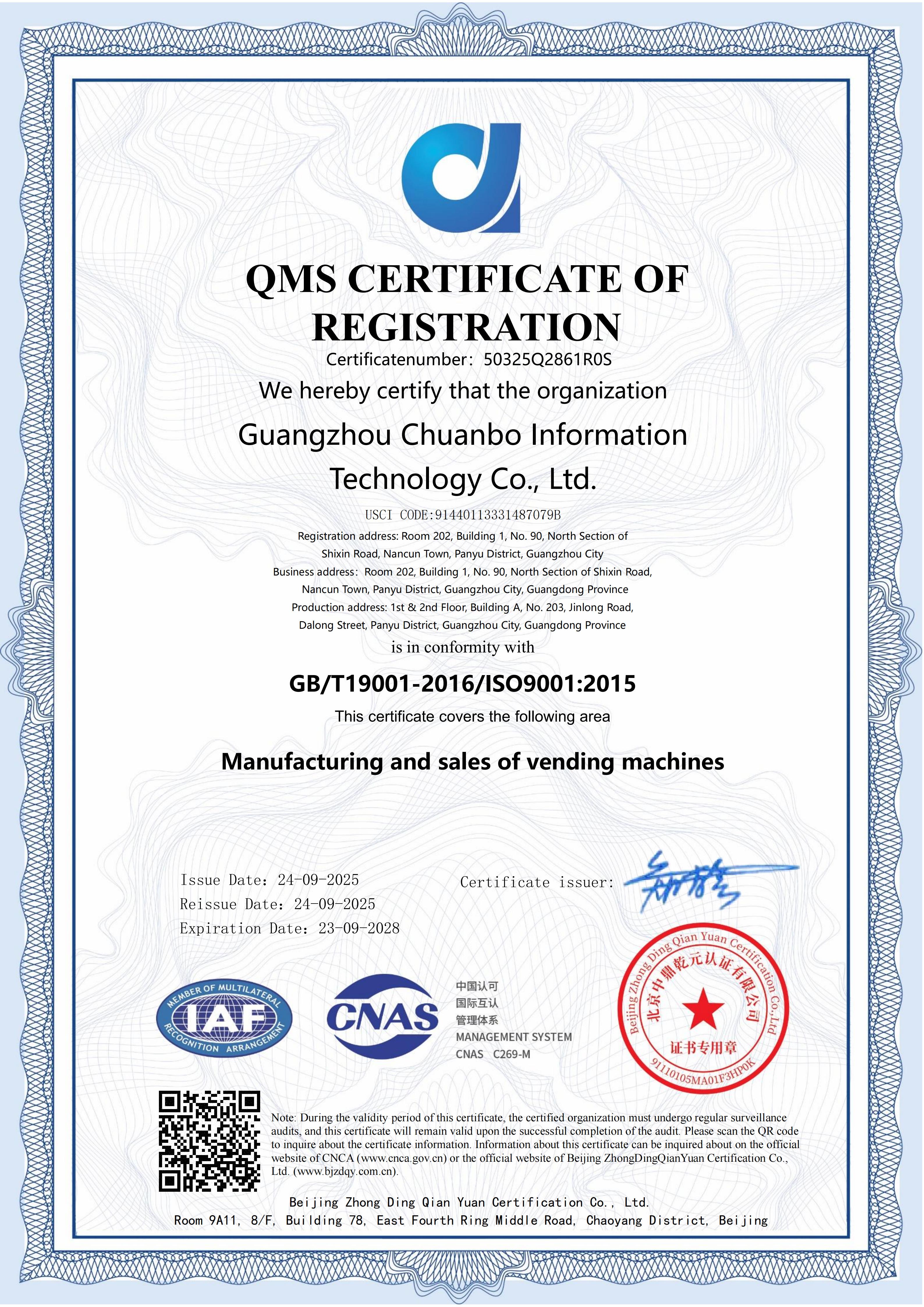
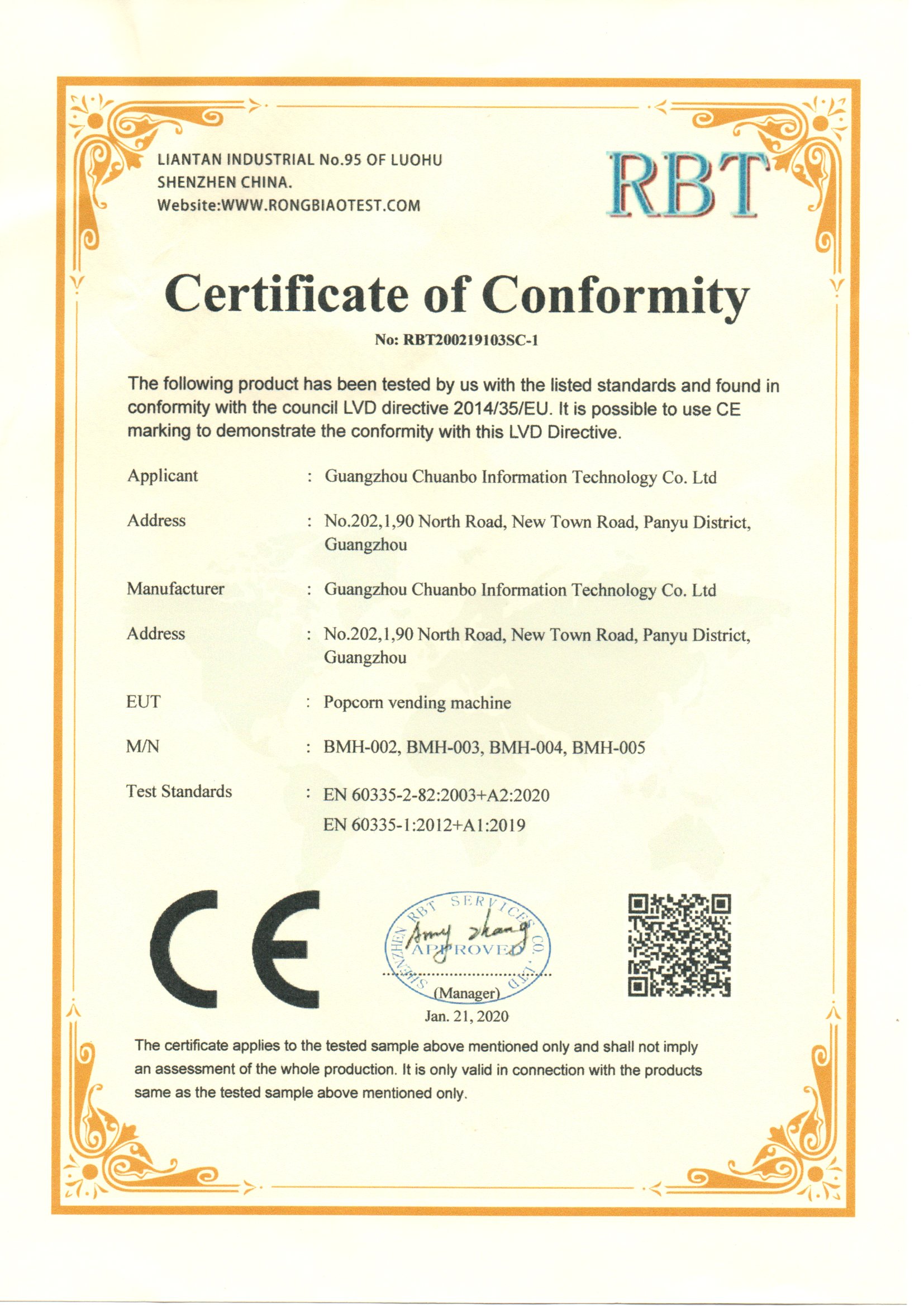
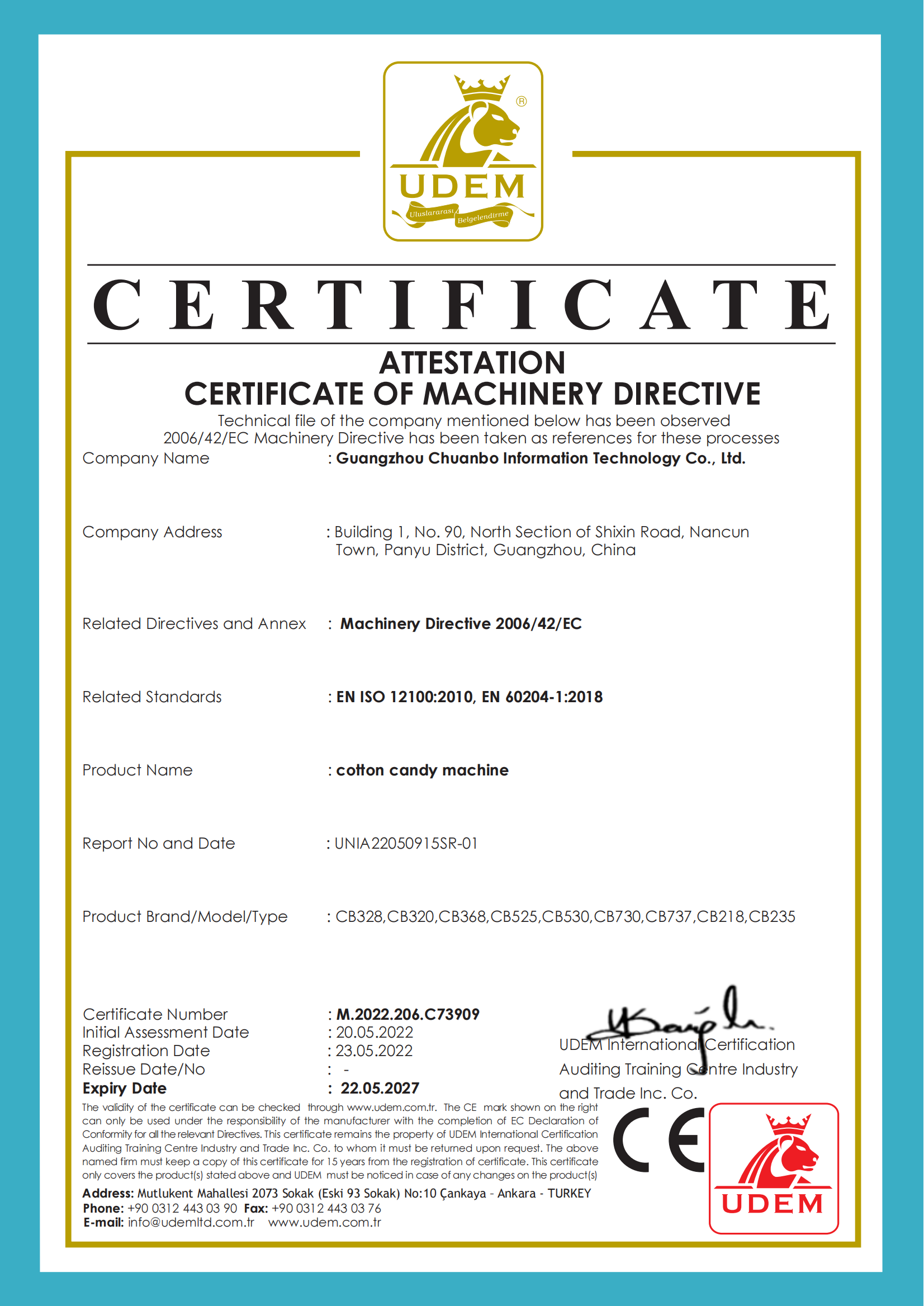
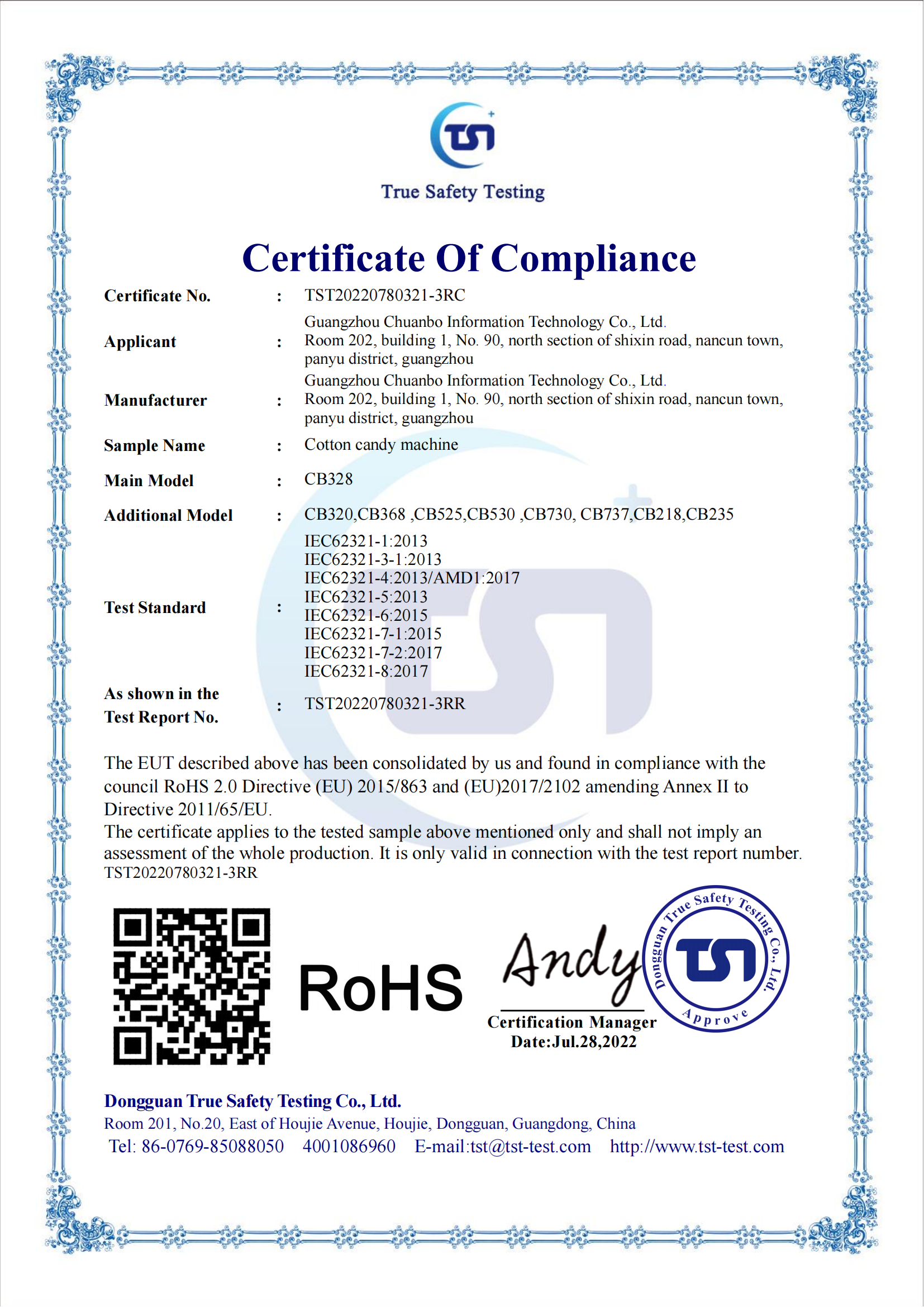
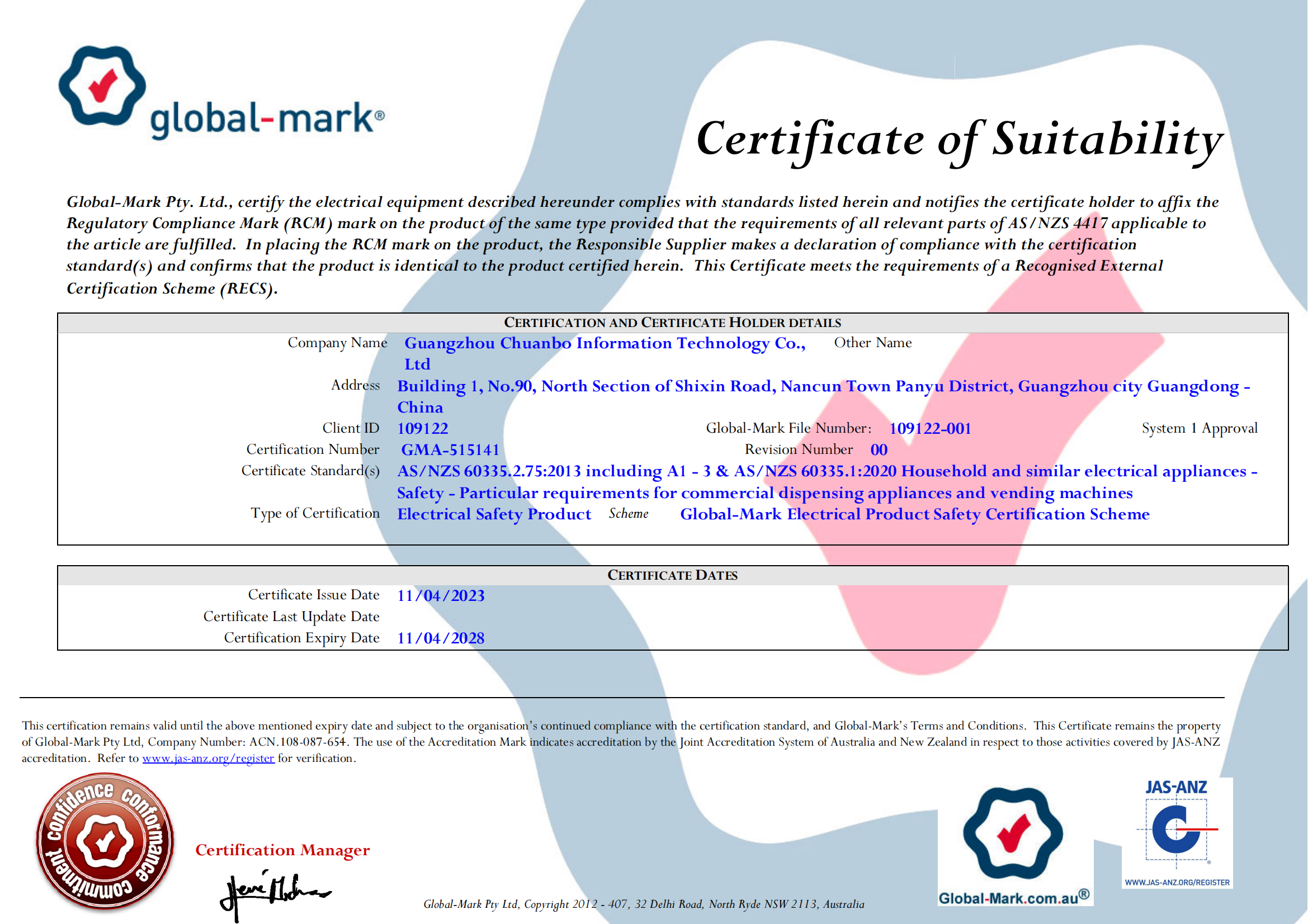
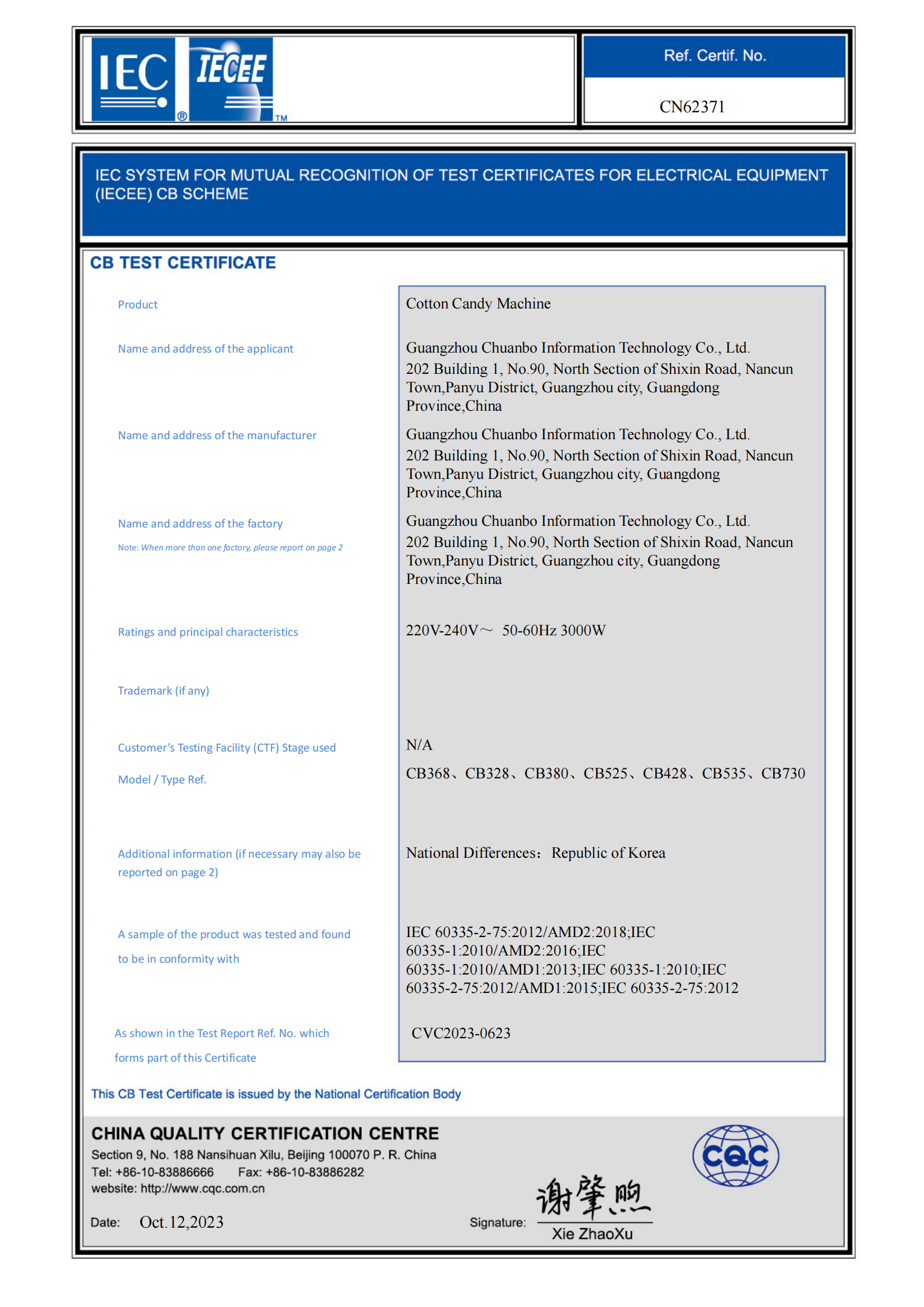
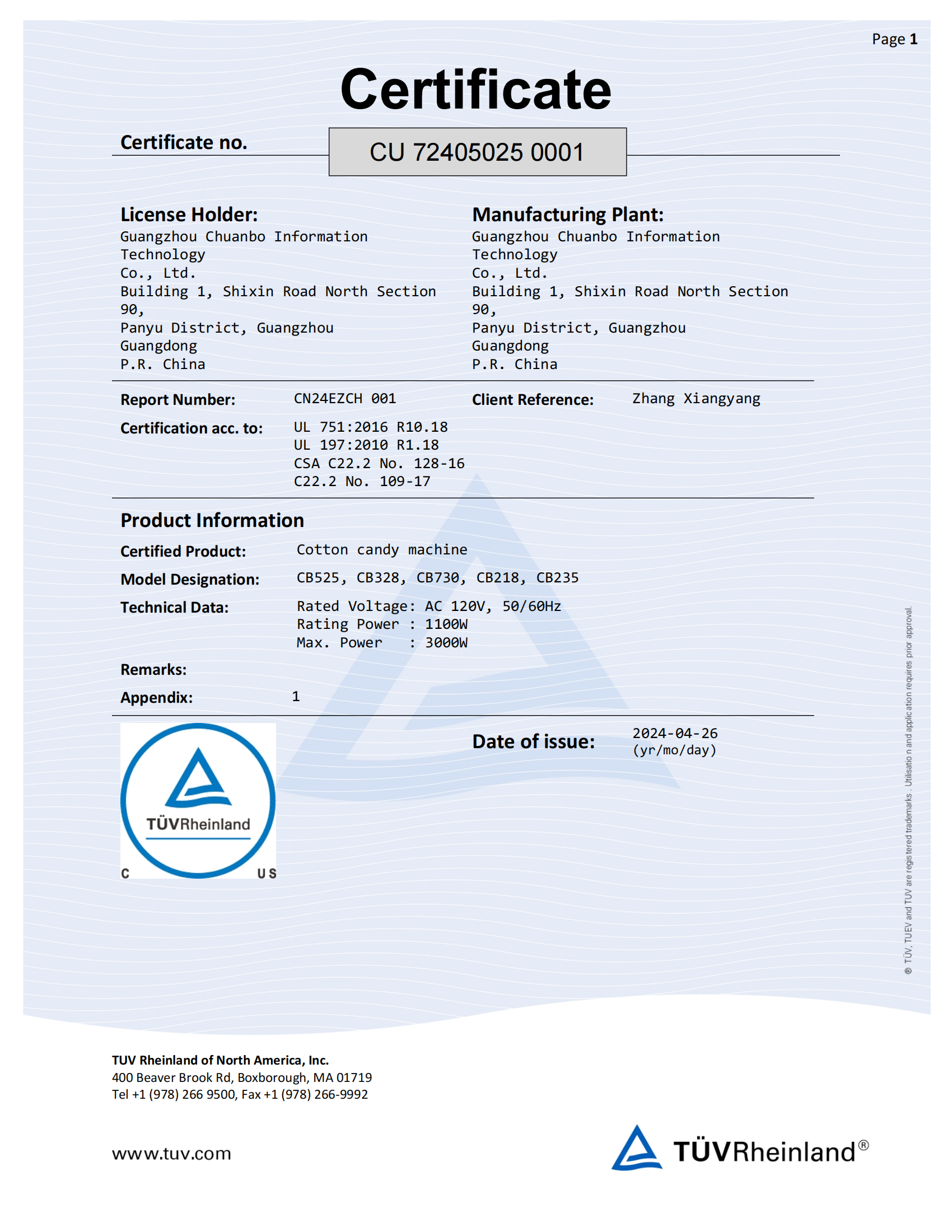
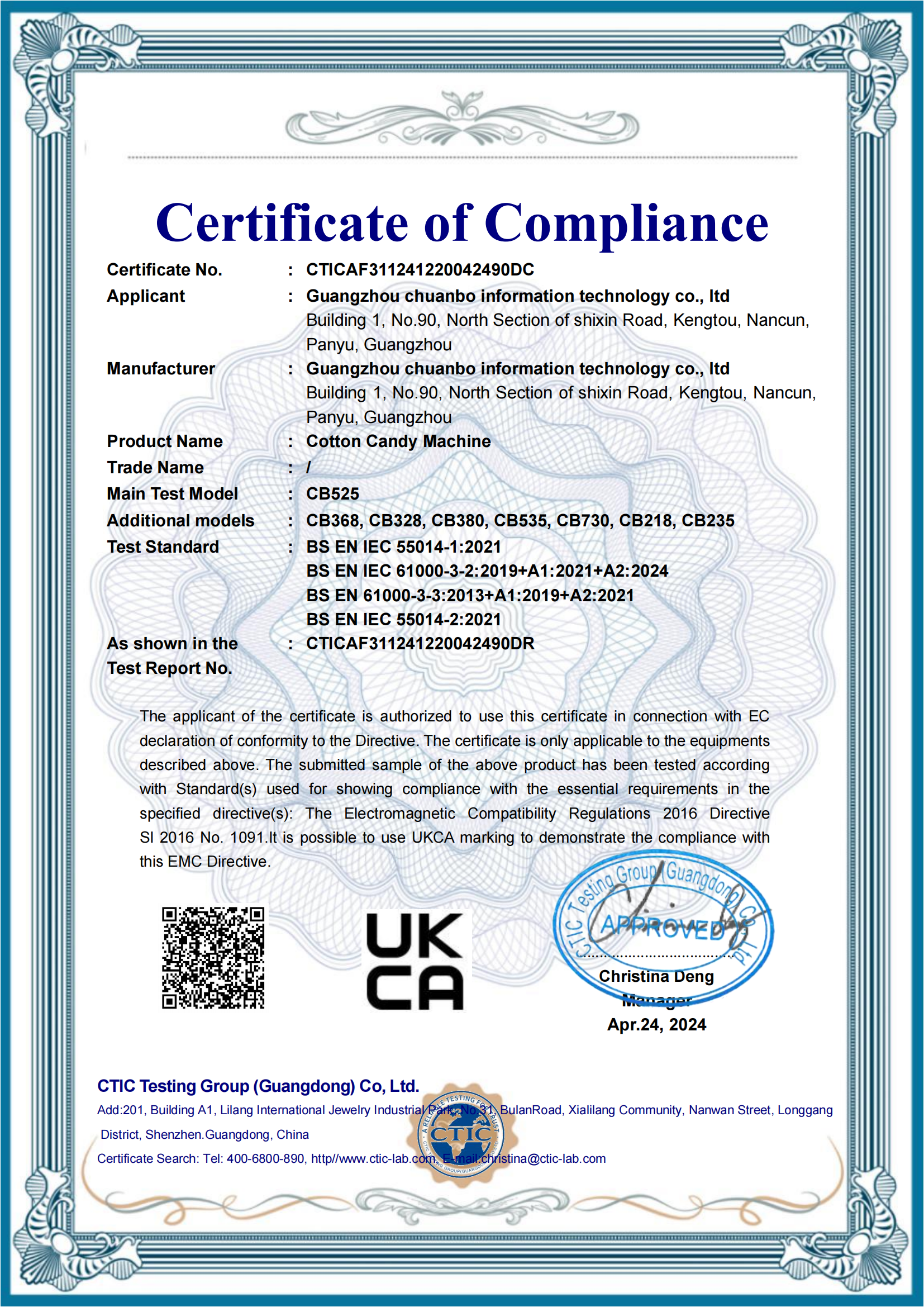

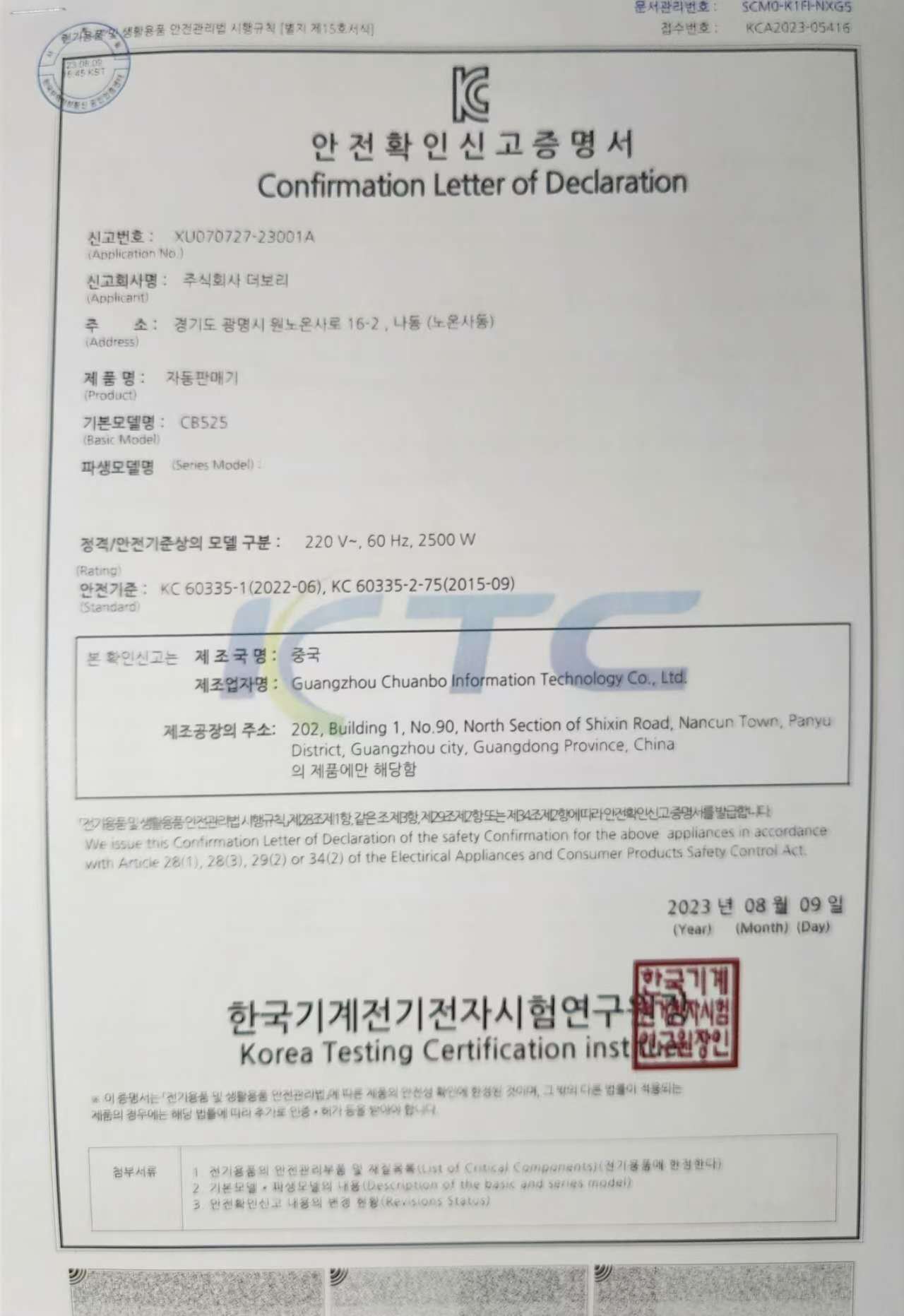
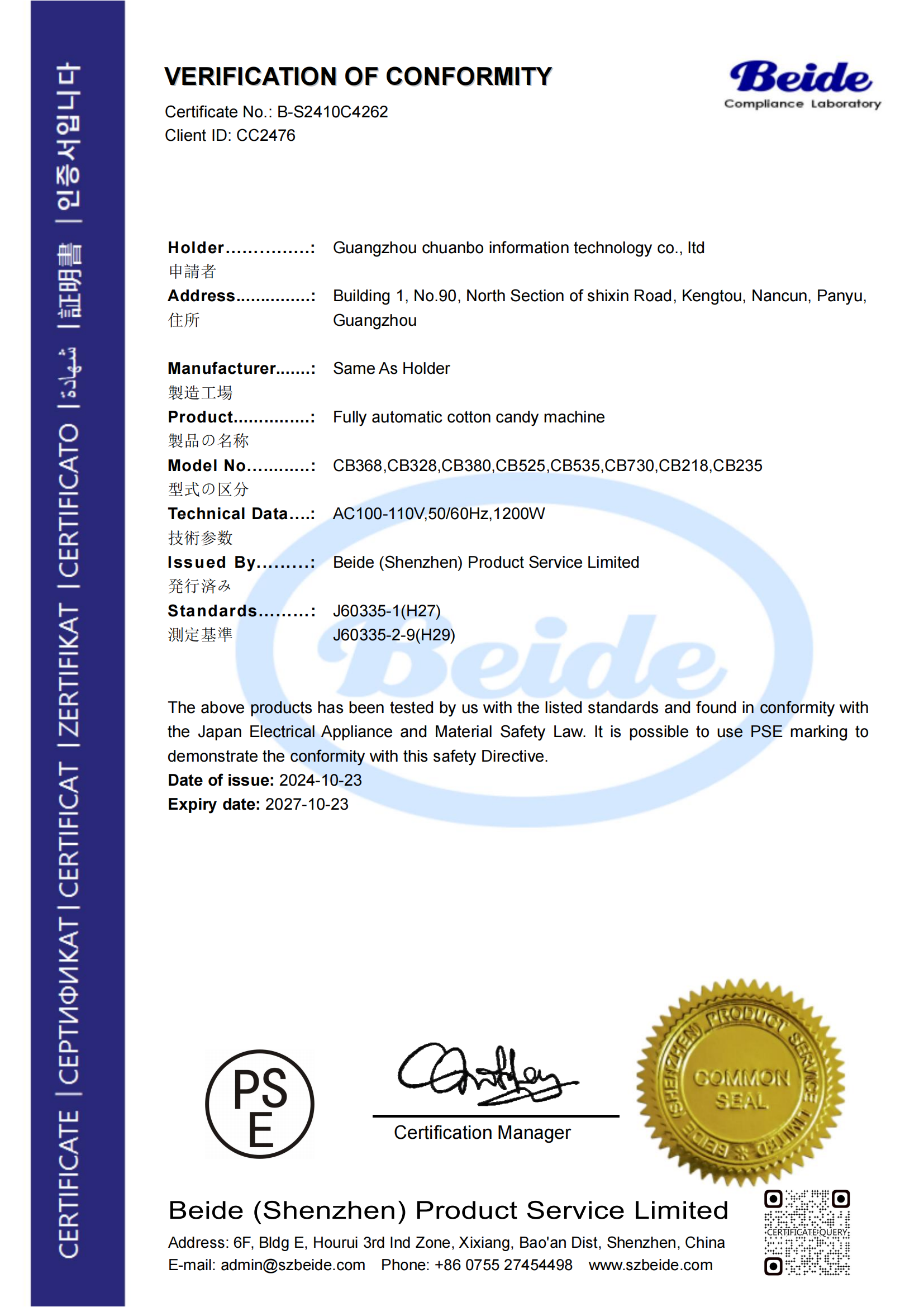
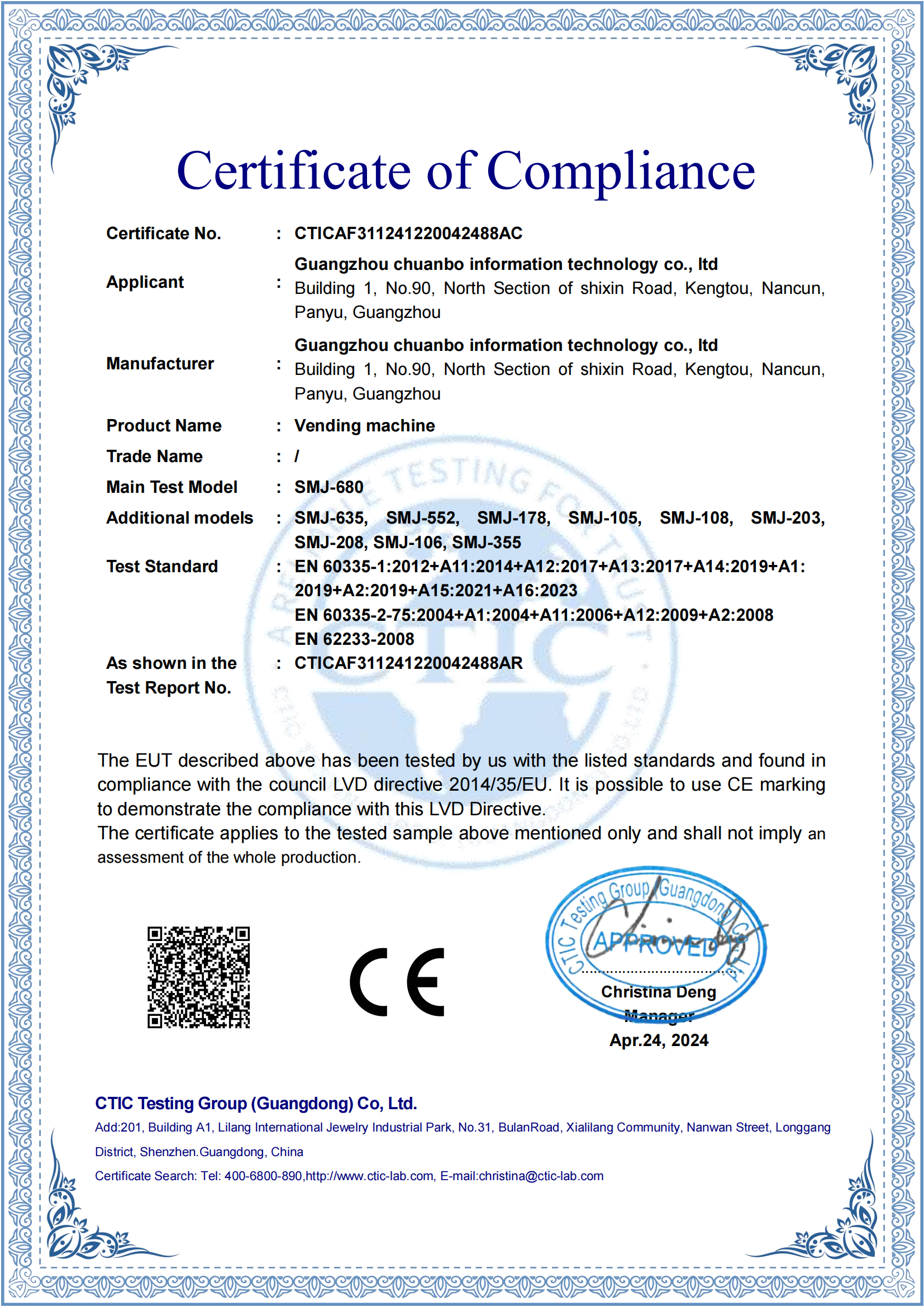
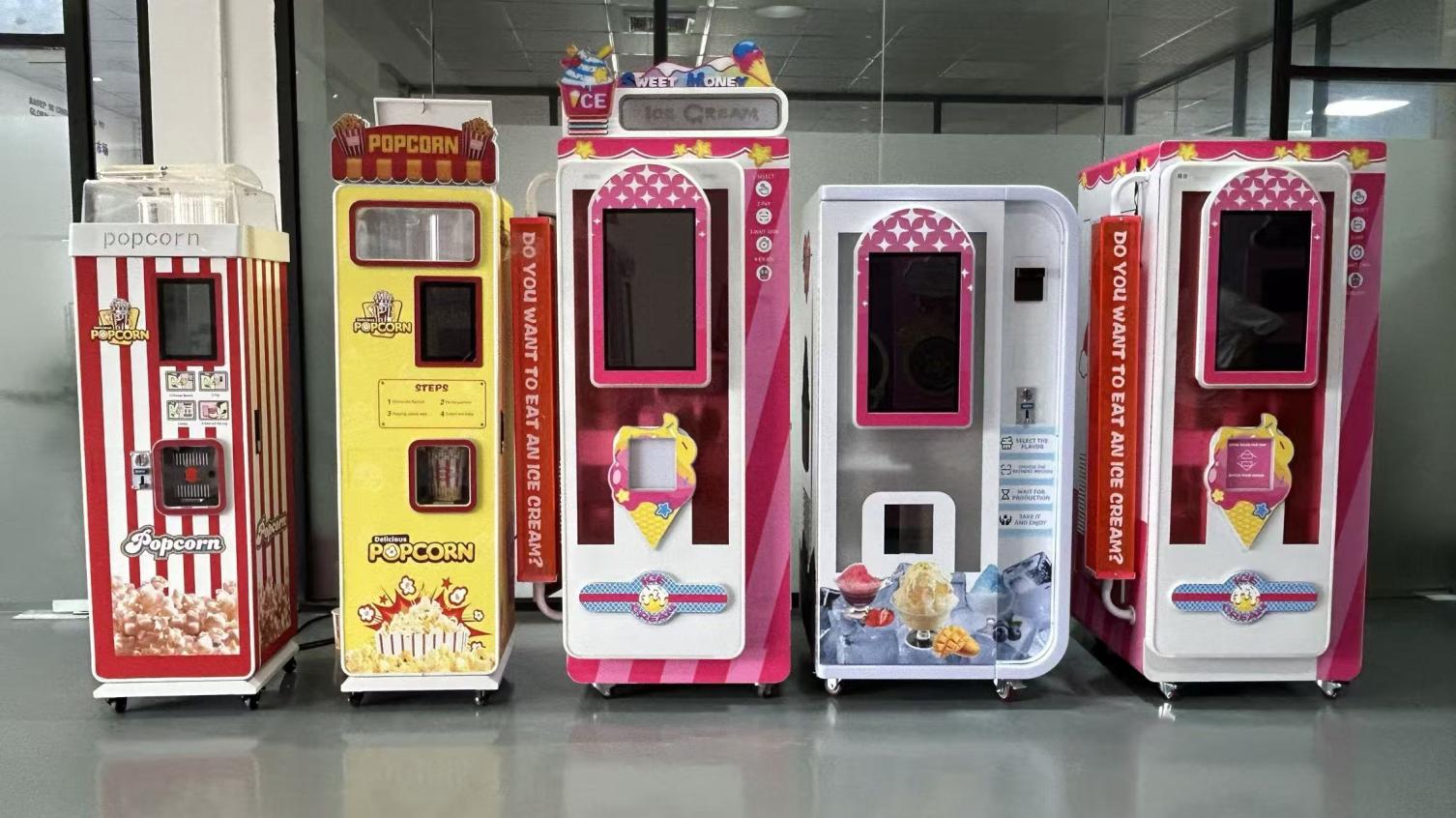
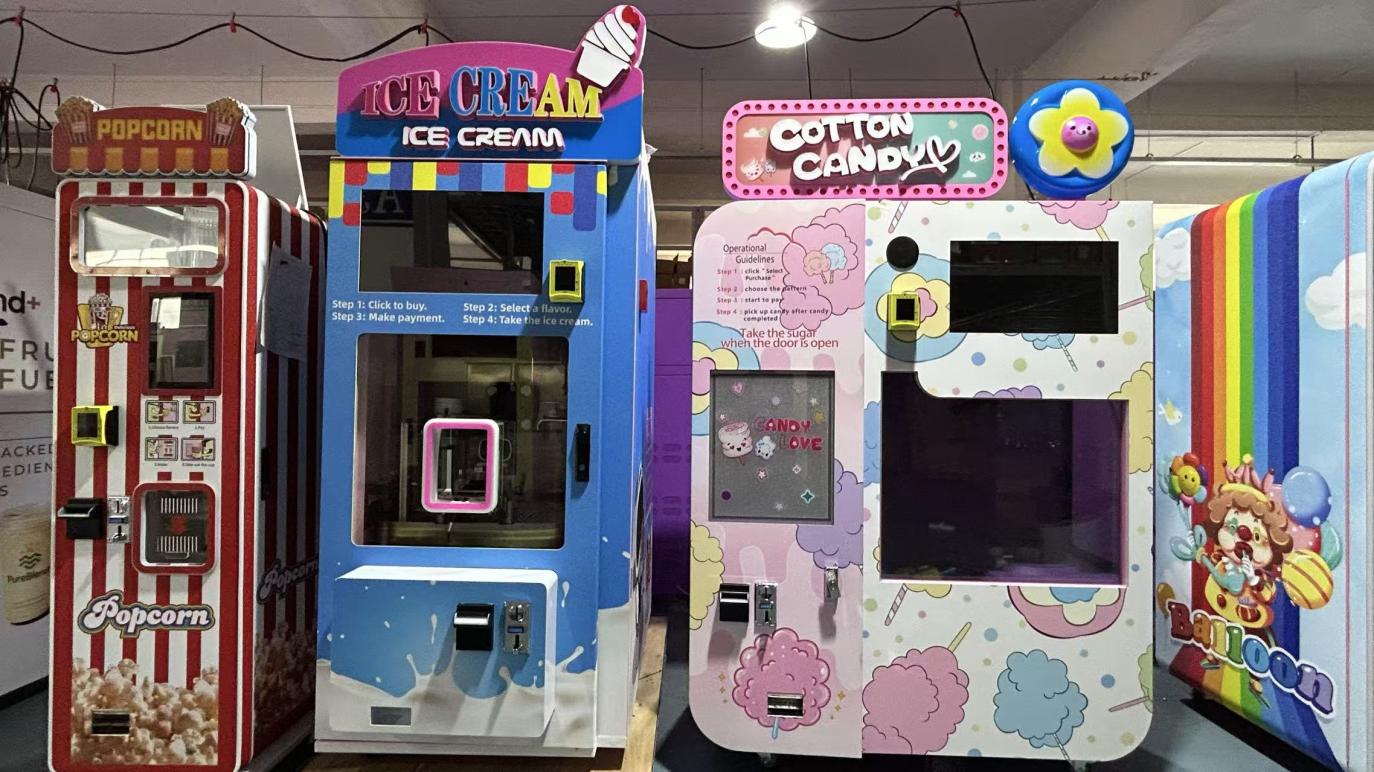
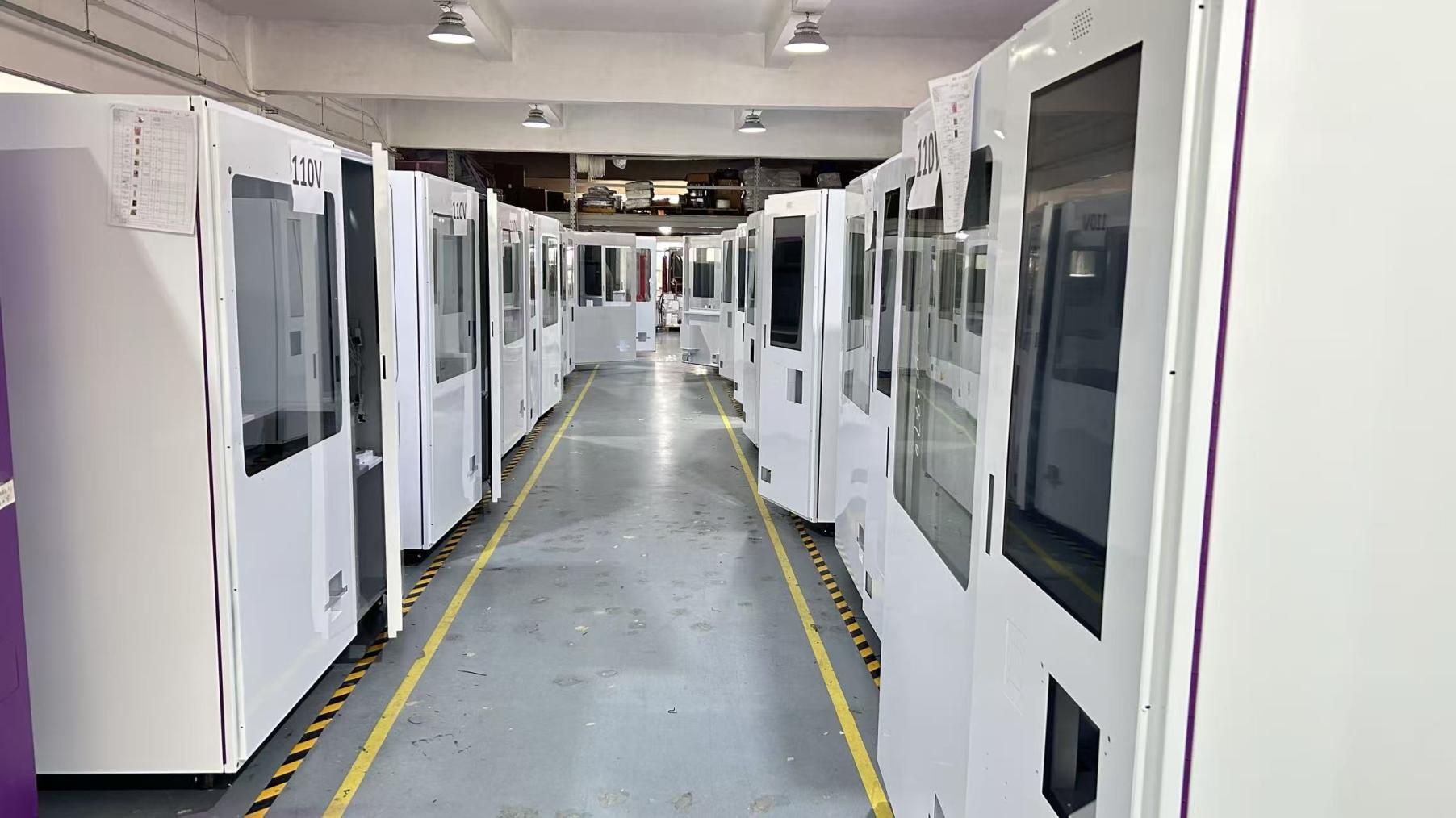
Purchasing professional-grade ice cream vending equipment requires evaluating the total cost of ownership (TCO) against manufacturing precision. European machinery brands often command high retail prices without offering the rapid firmware customization required for today's app-based ecosystems. Here is why importing from our production facility offers a clear competitive edge for Swiss distributors and global enterprise chains:
Unlike standard B-grade consumer goods manufacturers, our factory enforces complete component traceability. Every compressor, cooling coil, valve, sensor, and circuit board is logged via barcoding during assembly. Our Quality Assurance team performs comprehensive environmental chamber simulations, testing each unit under varied temperature and humidity loads to replicate Swiss winter alpine conditions and summer heatwaves in outdoor urban areas.
Modern Swiss retail uses advanced telemetry. Our internal team of graduate software developers provides full API/SDK integrations. Whether you need to connect your machine fleet to a custom enterprise resource planning (ERP) system, implement an internal corporate voucher system via RFID cards, or connect to a third-party CRM app, our software stack is ready. We support cloud-based monitoring protocols that allow operators in Switzerland to view inventory, set price tiers, check pasteurization cycles, and reset lockouts instantly from a tablet.
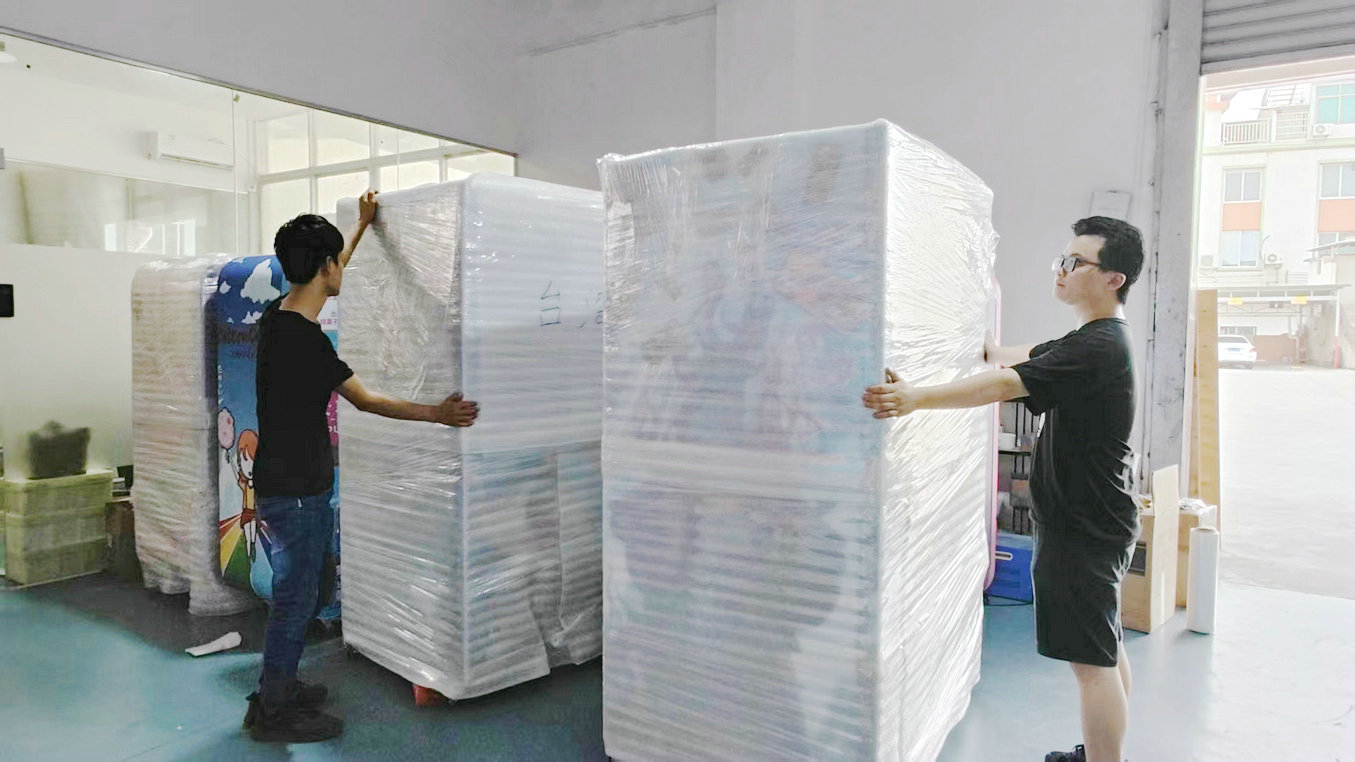
Over 11 years of global export experience ensures smooth logistics. We coordinate with leading European shipping networks to deliver containerized machinery directly to the Port of Basel or via fast air freight to Zurich and Geneva airports. All export documentation, custom clearance certificates, EFTA declaration documents, and packaging materials are fully prepared to prevent delay at Swiss border controls.
Browse our complete catalog of certified smart vending models, designed for high output, interactive retail, and customizable branding.
Actionable advice on engineering standards, sanitary regulations, payment localizations, and logistical processes.