CN Soft Serve
CN Soft Serve
CN Soft Serve
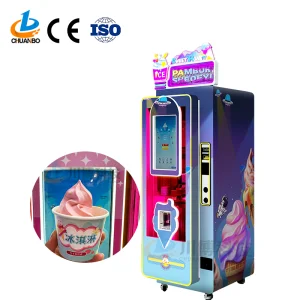
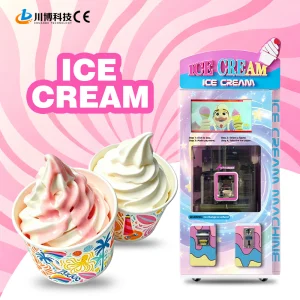
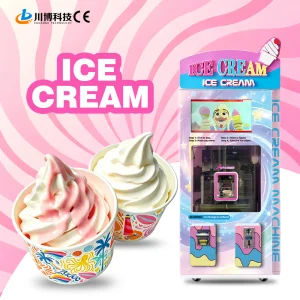
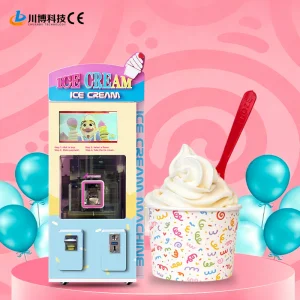
The commercial foodservice industry is undergoing a paradigm shift driven by automation, material safety, and precise pressurized dispensing systems. Whipped cream dispensers, once simple kitchen tools, have evolved into highly engineered gas-liquid pressurized containment systems essential for modern catering, bakeries, coffee franchises, and automated kiosk operations. Simultaneously, the demand for automatic dessert vending machines and commercial whipped cream solutions has surged, requiring manufacturers to operate at the peak of international safety and structural guidelines.
As professional operators seek reliable suppliers, understanding the nuances of manufacturing tolerances, food-grade materials (SS304 stainless steel, food-safe anodized aluminum), and high-pressure sealing mechanisms becomes paramount. This whitepaper analyzes the market's technical demands, compares the Top 10 manufacturing capabilities globally, and highlights why integrated Chinese production bases represent the pinnacle of cost-to-performance efficiency, strict international certification standards, and OEM/ODM capacity.
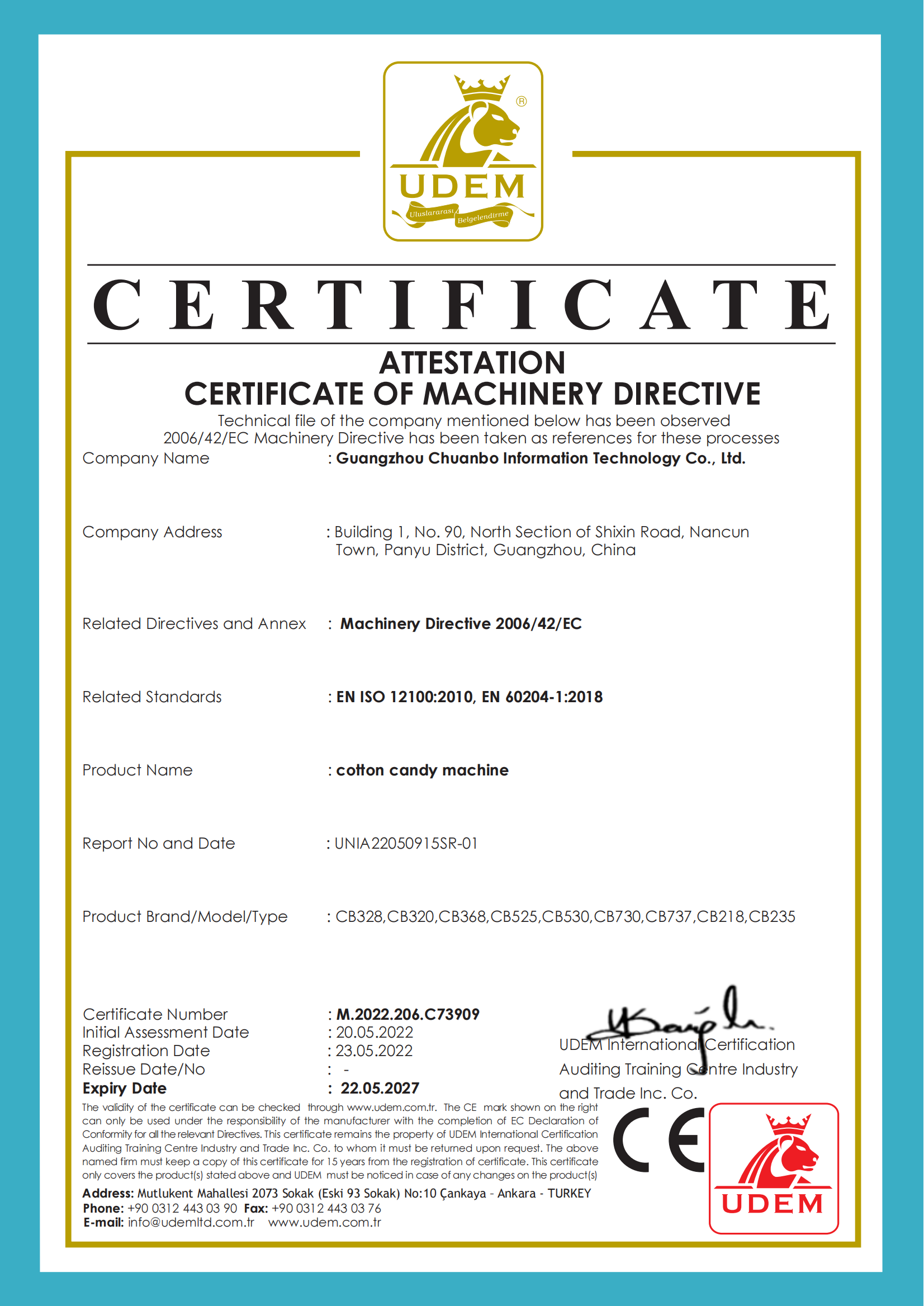
China has solidified its position as the premier manufacturing hub for gas chargers, whipped cream dispensers, and automated commercial cold-chain systems. This dominance is not simply based on cost reduction, but rather on integrated industrial clusters, advanced metallurgy, and strict compliance with global certifications such as ISO 9001, CE, RoHS, CB, and UL.
Top Chinese factories utilize premium food-grade metals, specializing in both seamless aluminum alloys and forged 18/8 stainless steel (SUS304). By applying high-tolerance CNC milling and advanced internal passivation techniques, these dispensers safely withstand pressure thresholds up to 30 bar, shielding against structural fatigue under continuous N2O gas charging cycles.
From custom silicone sleeves to personalized laser-etched branding and bespoke valve sizes, Chinese suppliers provide flexible manufacturing options. This includes structural optimizations such as customized charging heads, specialized dispensing tips, and integration with advanced commercial kiosk terminals.
Adhering to strict international protocols, raw materials are fully traceable from ingot to the final polished product. Every single unit undergoes hydrostatic testing and high-pressure leak inspections. These measures ensure that global food brands face zero contamination risks or gas escape incidents.
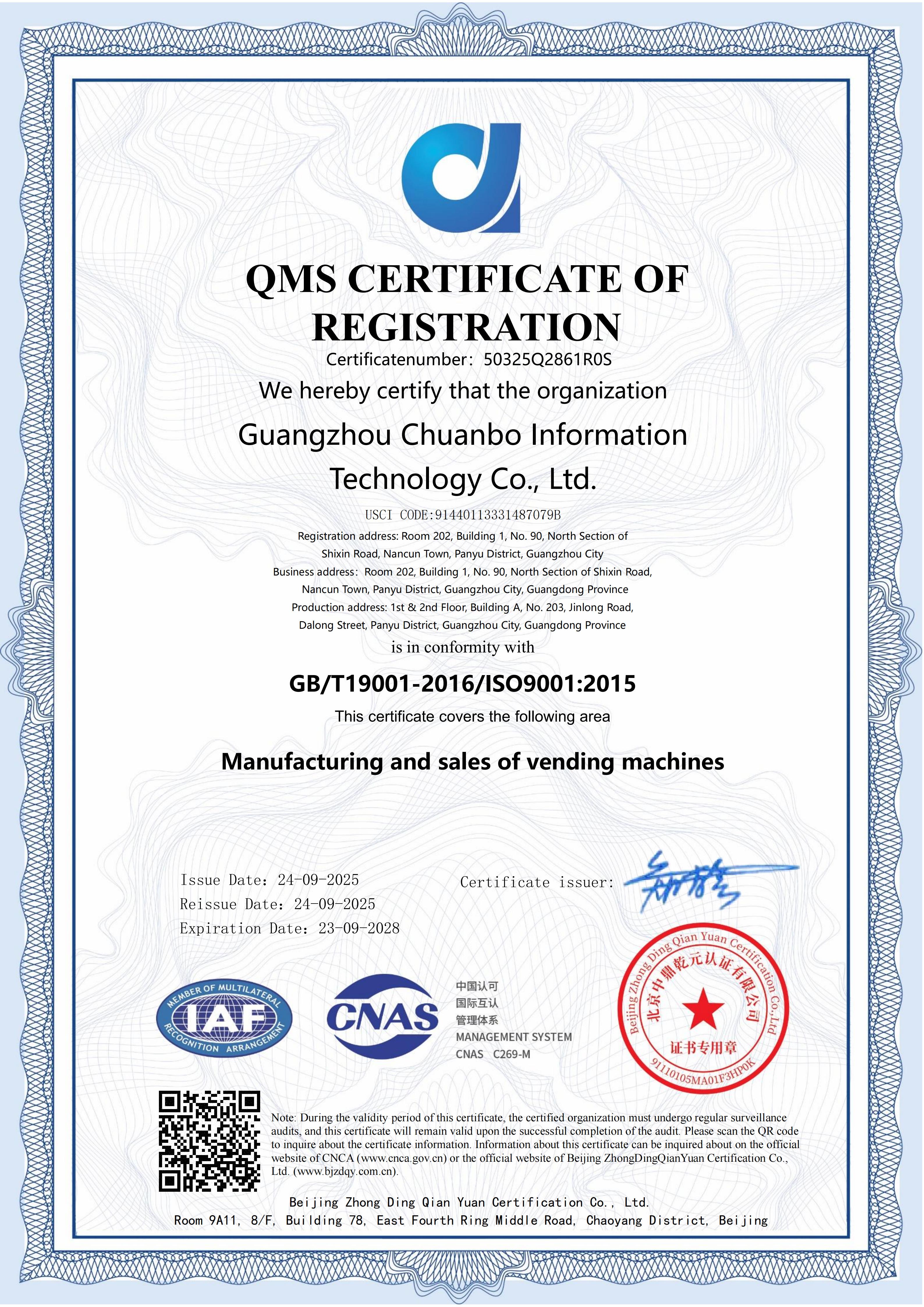
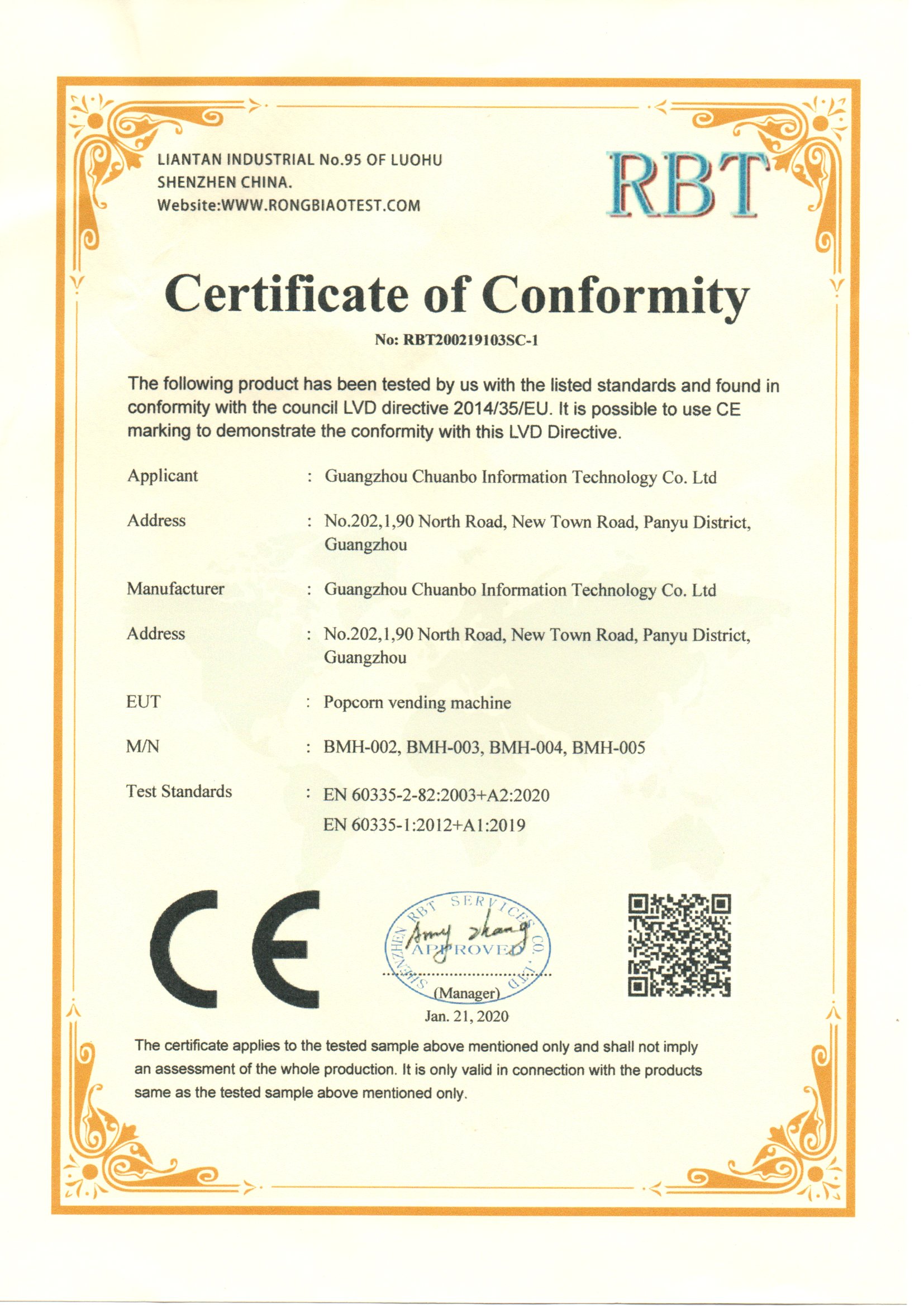
For global procurement specialists, verifying a supplier's compliance is the primary step in risk management. Under the guidelines of E-E-A-T (Experience, Expertise, Authoritativeness, and Trustworthiness), we disclose our verified corporate profile and credential overview:
 ISO 9001 (No. 50325Q2861R0S)
 CE (No. RBT200219103SC-1)
 RoHS (No. TST20220780021-3RC)
 RCM (No. GMA-515141)
 CB (No. CN62371)
 UL (No. CU 72405025 0001)
 UKCA (No. CTICAF311241220042490DC)
 KC (No. XU070727-23001A)
 PSE (No. B-S2410C4262)
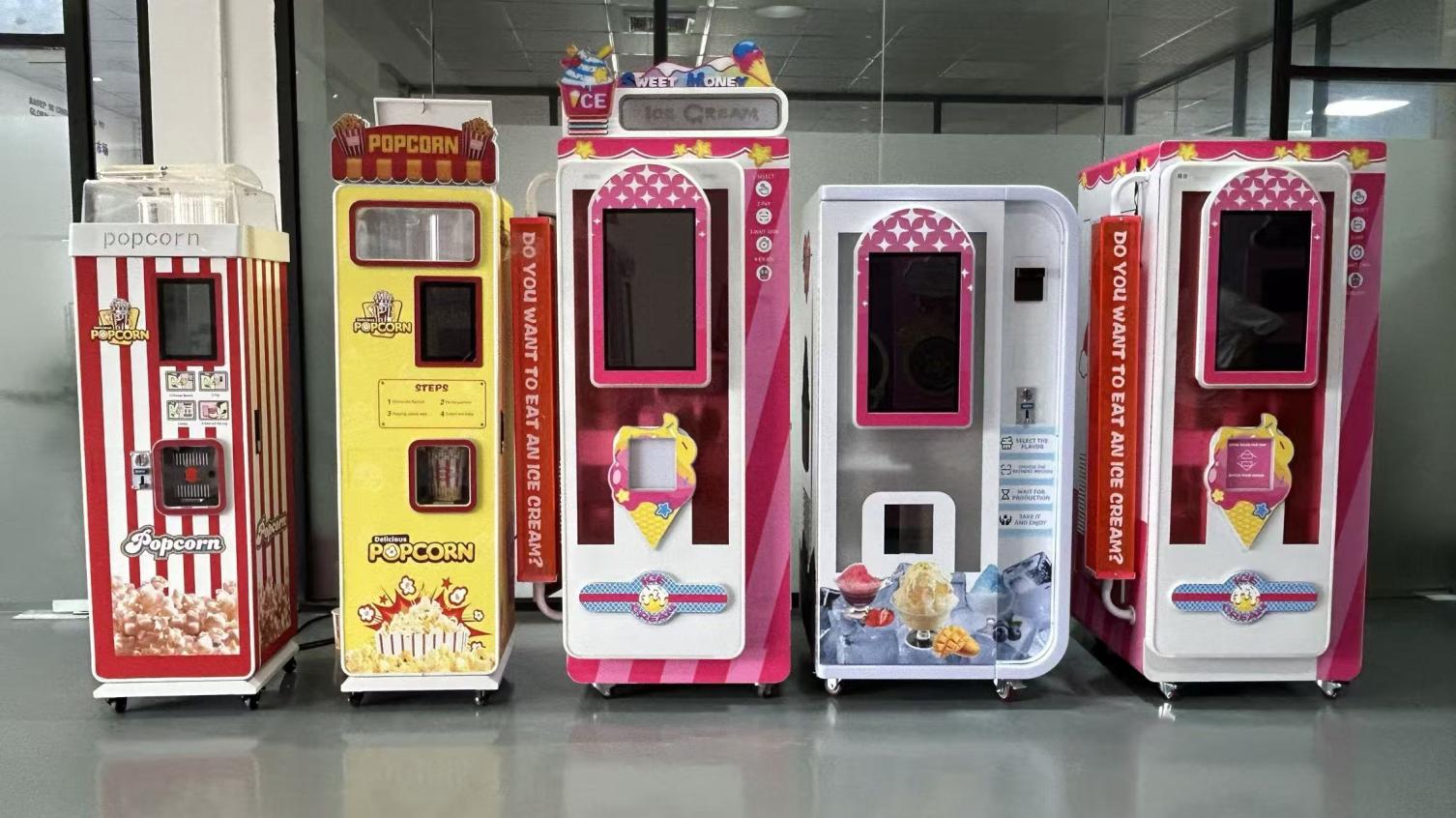
The interface between traditional pressurized vessels (whipped cream dispensers) and smart culinary robotics represents the modern horizon of commercial food preparation. The modern consumer demands consistent product quality, swift service delivery, and stringent sanitary compliance. Leading manufacturers are bridging the gap between manual dispensers and high-throughput automated dispensing equipment.
Modern QSRs (Quick Service Restaurants) require systems capable of managing pressurized liquids seamlessly. The mechanical components designed for high-performance whipped cream chargers and canister dispensers are increasingly being integrated into self-service, unmanned retail terminals and smoothie-making robotics.
Global regulations are steering markets away from single-use plastics and non-recyclable components. Suppliers are responding by creating 100% recyclable all-metal chargers and dispensers, ensuring zero waste profiles for international eco-conscious consumer brands.
Next-generation dispensing technologies incorporate real-time monitoring of pressurized contents, temperature values, and dispense counts. This aligns perfectly with the growth of cloud-managed vending machines, which track stock levels and maintain the cold chain automatically.
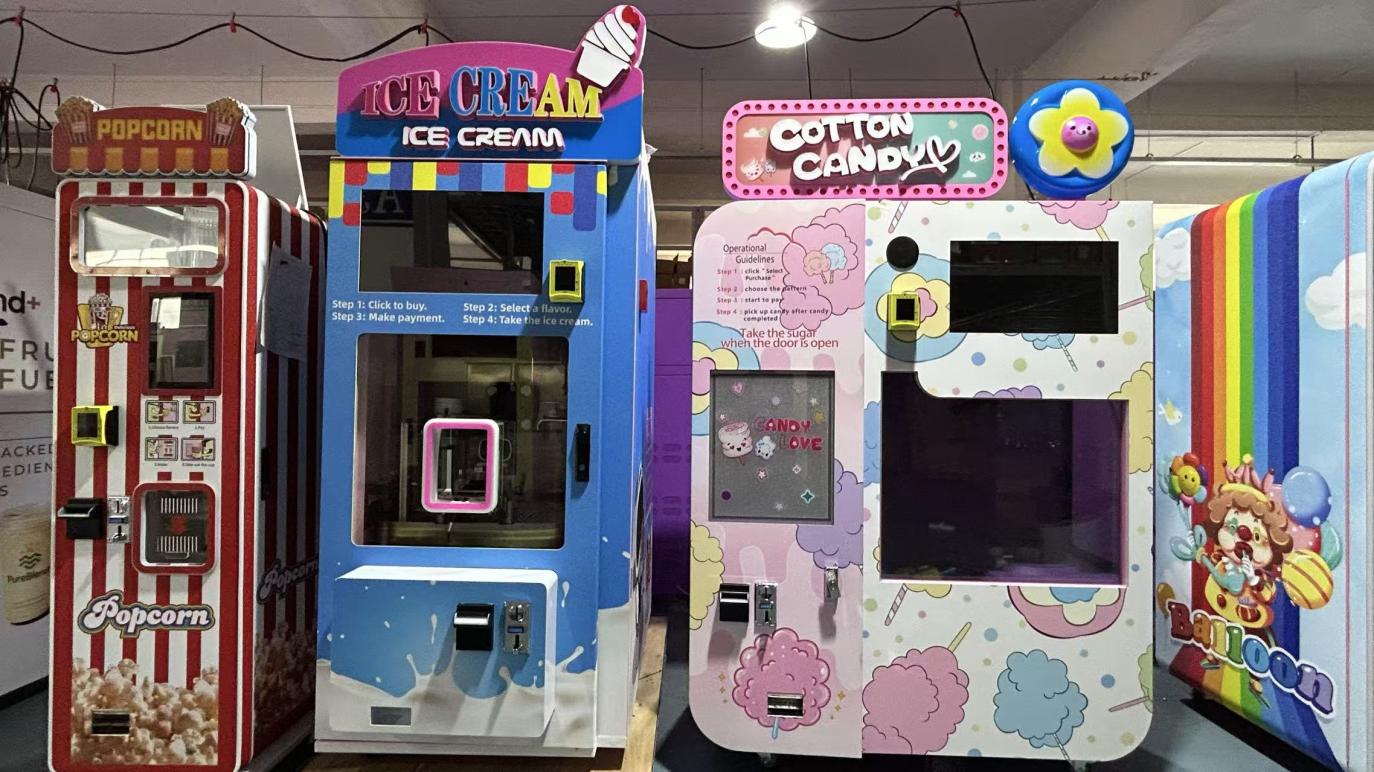
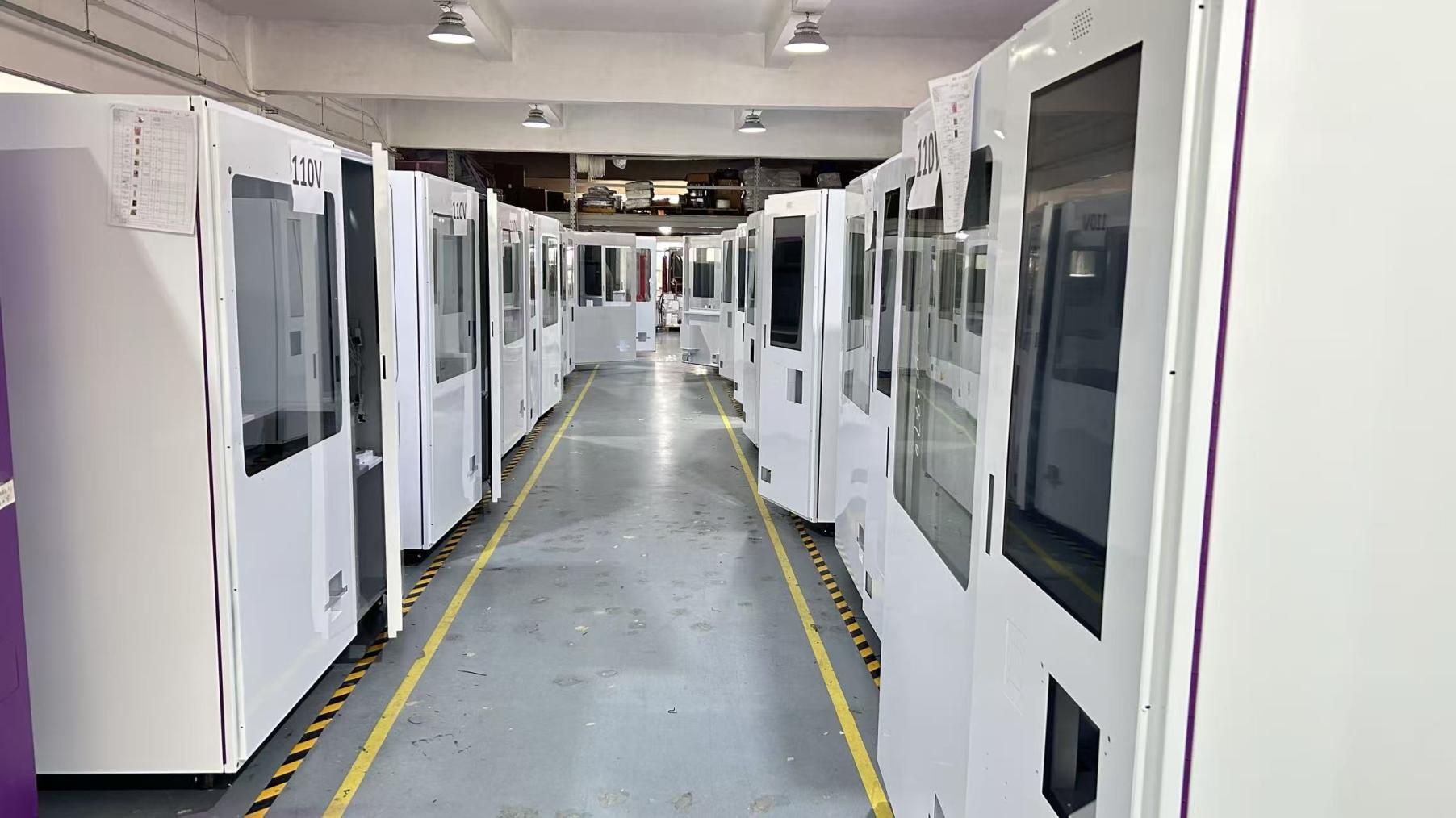
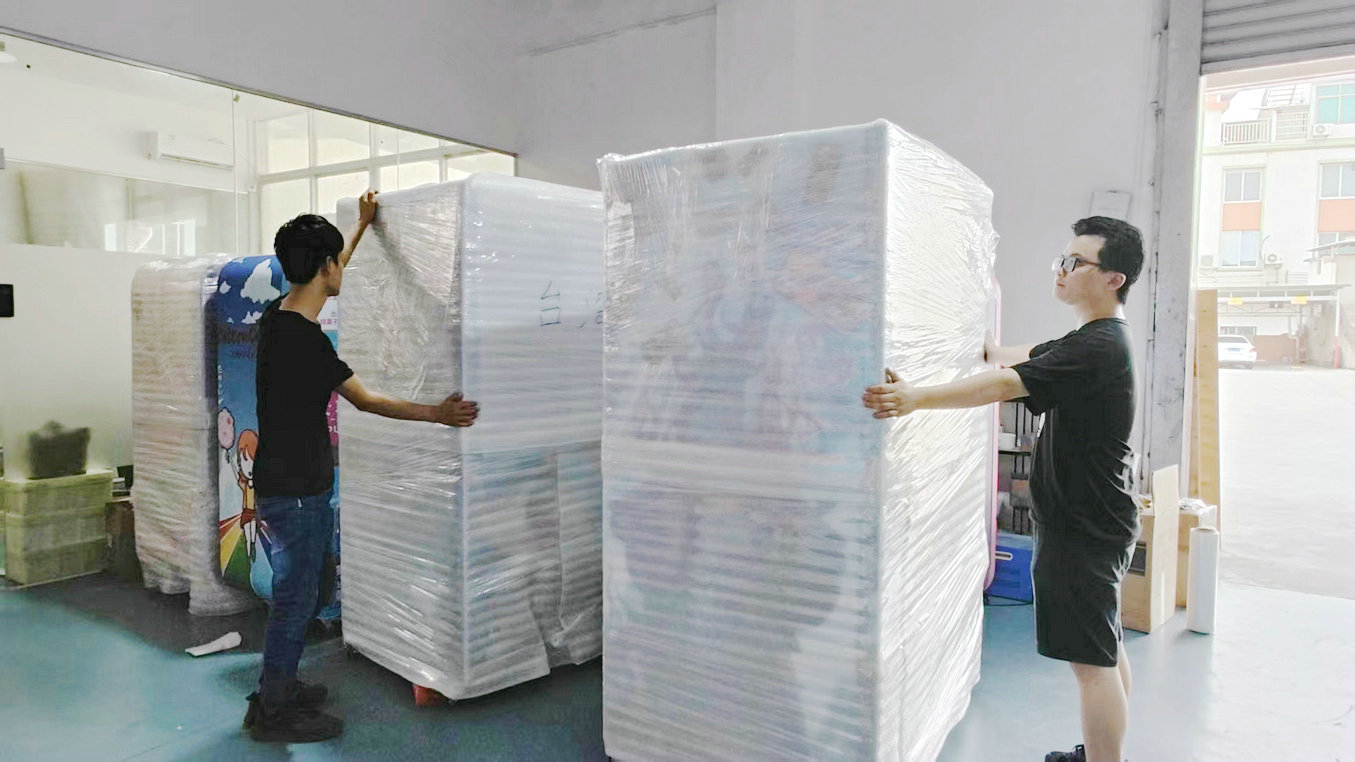
To maintain operational safety and brand equity, corporate purchasing managers should evaluate whipped cream dispensers and automated dispensing systems based on the following key metrics:
Request certifications confirming food-safe contact surfaces. Stainless steel variants should be made of SUS304 or higher. Aluminum dispensers must feature protective coatings to prevent oxidation caused by cleaning agents and dairy acids.
Valves are the critical failure points under gas pressure. Ensure the charger holder threads are deeply cut and clean. Gaskets should be food-grade silicone, which maintains flexibility and prevents gas leaks under cold refrigeration conditions.
A reliable supplier must demonstrate scalable capacity. An ideal partner should operate multiple automated lines and maintain robust partnerships with domestic raw material suppliers, guaranteeing uninterrupted bulk shipments even during global shipping fluctuations.