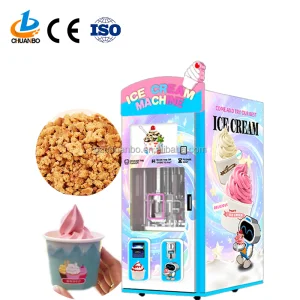
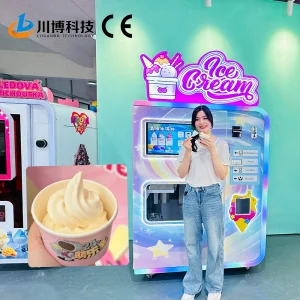
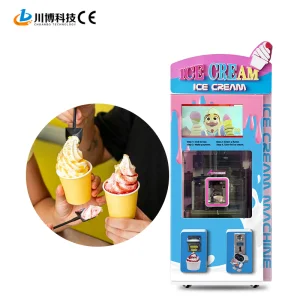
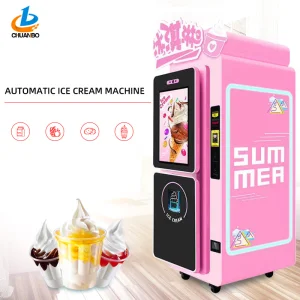
CN Soft Serve
CN Soft Serve
CN Soft Serve
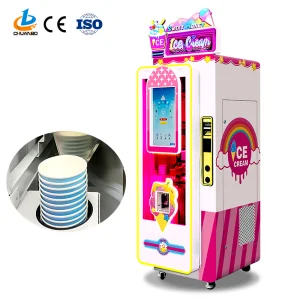
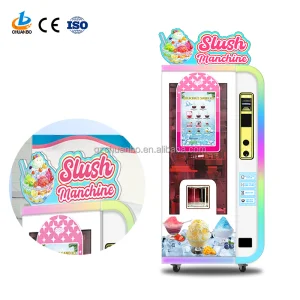
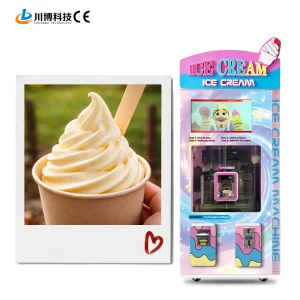
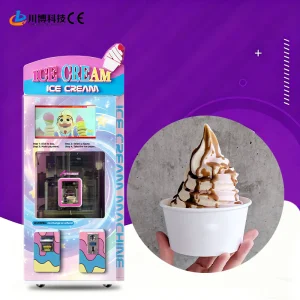
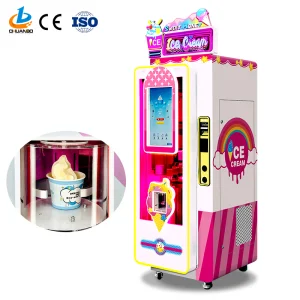
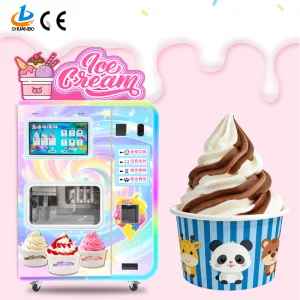
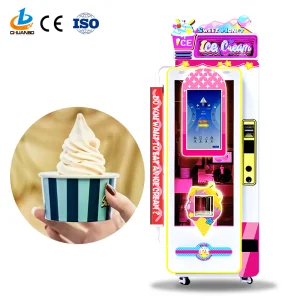
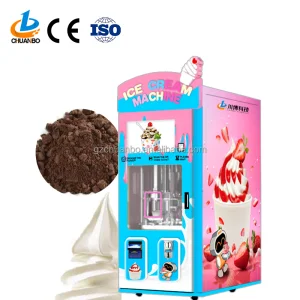
Our enterprise infrastructure, manufacturing capacity, and export reach support complex smart retail rollouts for multinational brands, engineers, and distributors.
The global retail landscape is undergoing a systemic transition towards automation, triggered by escalating labor costs, shifting consumer habits, and a demand for instant product fulfillment. Self-service soft-serve ice cream stations represent a high-margin, space-efficient category in this smart retail revolution. However, scaling a fleet of robotic or touchscreen-operated ice cream vending stations requires sophisticated thermal engineering, software telemetry, and localized compliance capabilities. This whitepaper details the architectural layers and industry requirements essential for global procurement directors, engineering specialists, and brand managers.
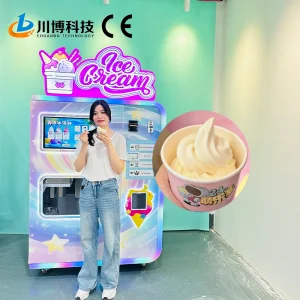
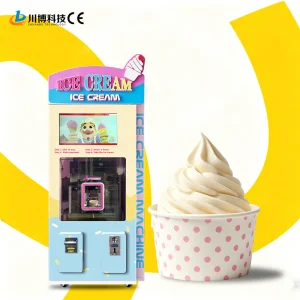
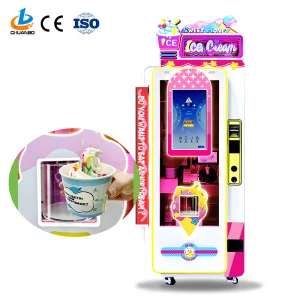
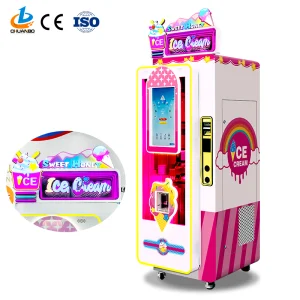
Unattended soft-serve dispensing is no longer a novelty; it is an industrial solution to micro-retail economics. In regions such as North America (representing 26% of our core client base) and South America (20%), food service operations face persistent labor constraints. Traditional ice cream shops require staff, hygiene management, and significant real estate. A smart, self-contained self-serve station occupies less than 1.5 square meters, operates 24/7 without on-site supervision, and provides precise portion control to eliminate product shrinkage.
From tourist zones and public transit hubs to commercial shopping centers and school campuses, the deployment of intelligent vending stations is accelerating. Data shows that compared to standard packaged snack vending machines, milk-based soft-serve vending generates a significantly higher average transaction value and up to 70% gross margins. Our R&D team has engineered systems to lower the barrier to entry, enabling startup operators and institutional buyers alike to capture these margins using our dual-cylinder, highly insulated mechanical platforms.
Independent cylinder control guarantees flavor variety, uninterrupted dispensing during refills, and back-up capability.
Ultra-efficient extrusion systems process, cup, and dispense soft-serve formulas in under 15 seconds from payment validation.
Built-in automated pasteurization and clean-in-place (CIP) software loops keep downtime to a minimum.
At the center of any commercial self-serve ice cream station is its refrigeration system. Designing a system that maintains a consistent pasteurized milk mix temperature of 2°C to 4°C in the hopper, while keeping a perfect overrun and texture inside the freezing cylinder (typically -6°C to -8°C), is a complex thermal balance. Our systems utilize high-efficiency compressors (such as Secop or Embraco) paired with advanced expansion valves and environmentally friendly R404A or R290 refrigerants.
Moreover, the technological roadmap for self-service stations relies heavily on software integration:
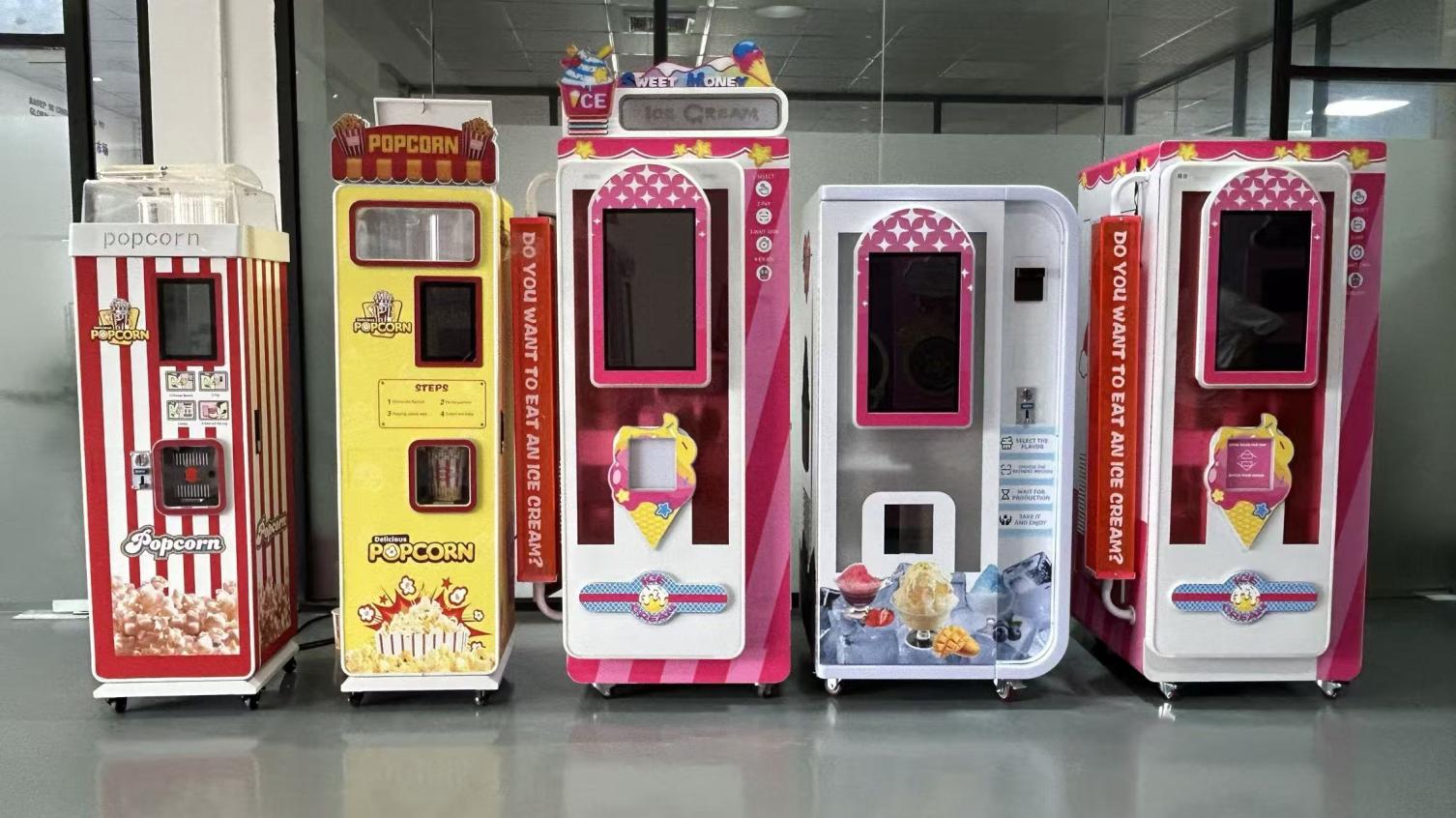
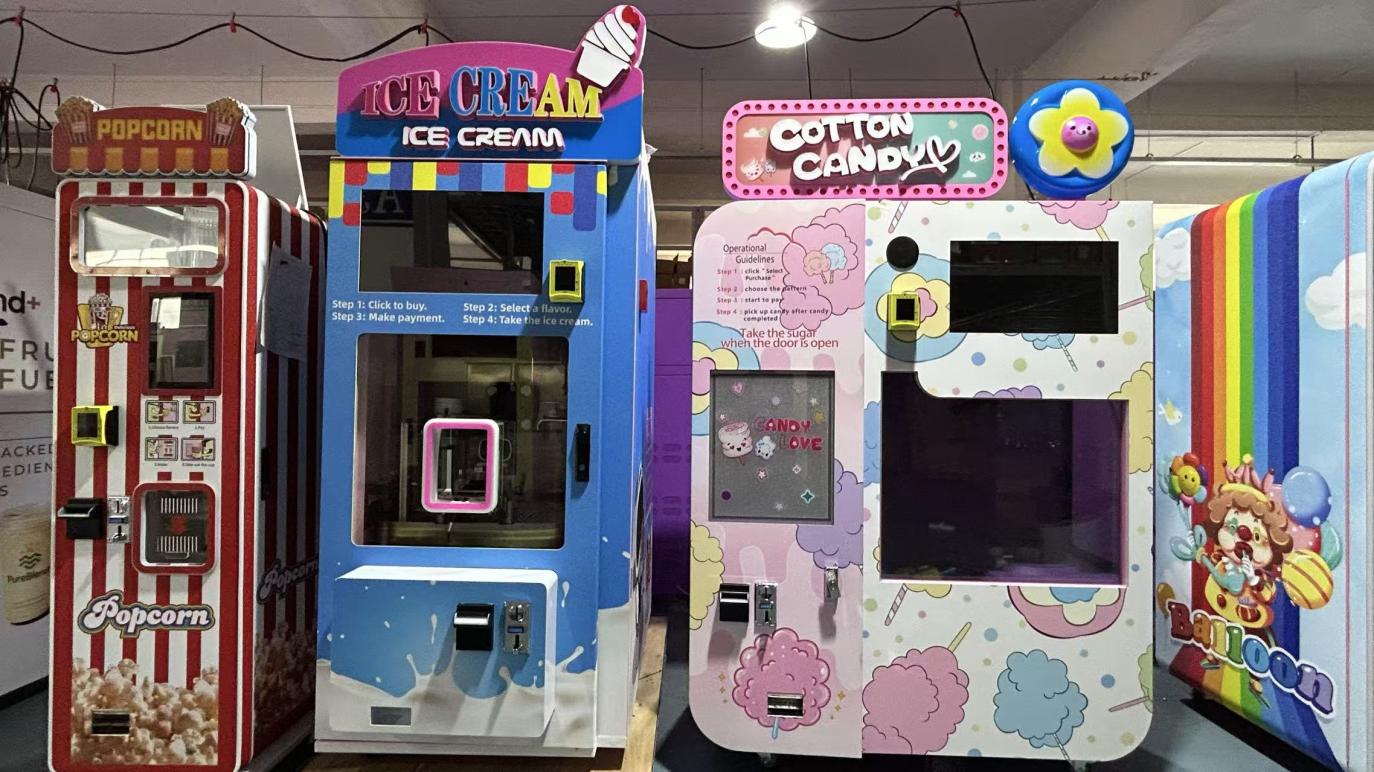
As a seasoned manufacturer, we recognize that different customer segments have diverse operational needs. Our customization options (ranging from light logo branding to complex software SDK modifications) cater directly to these criteria:
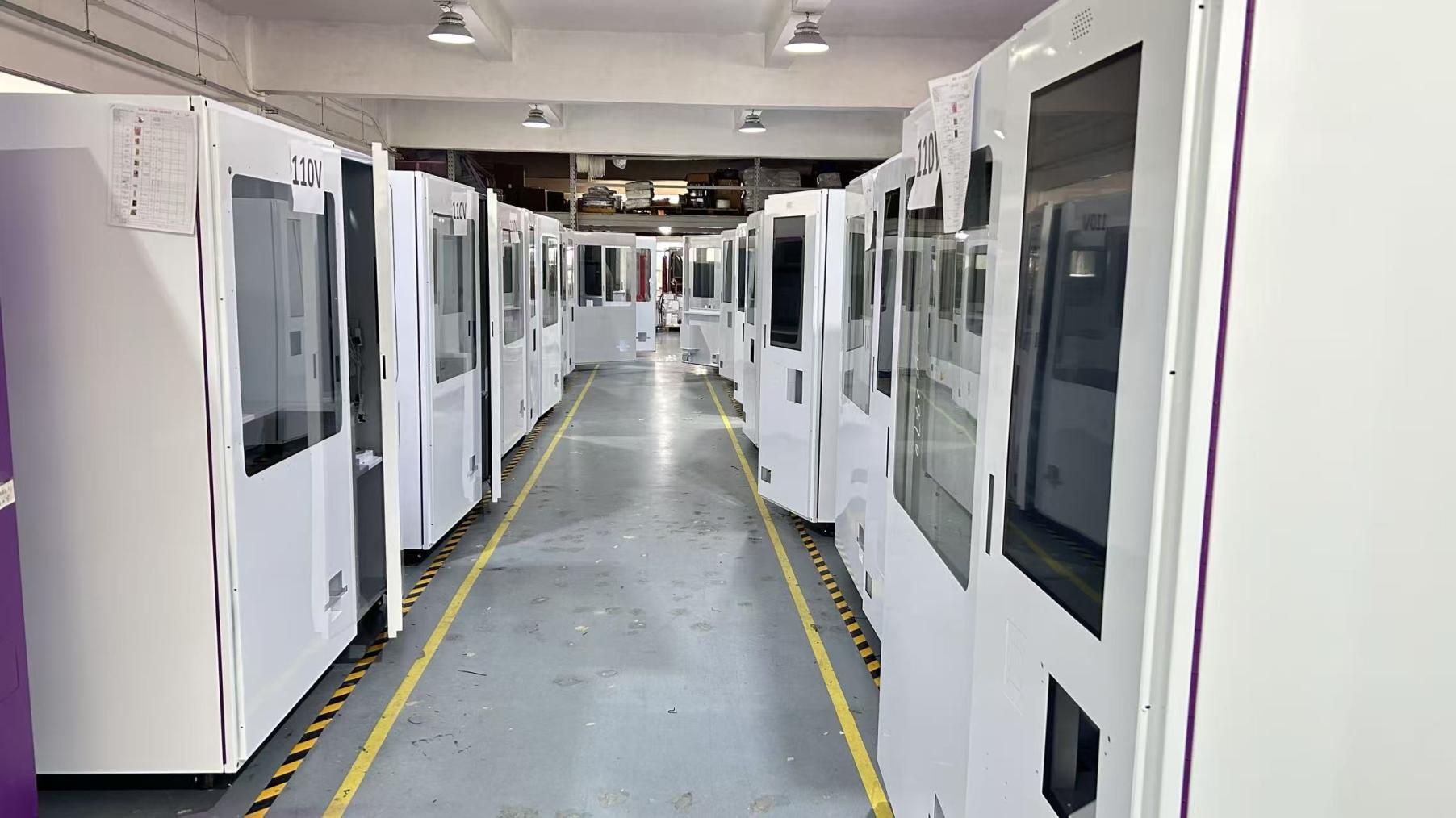
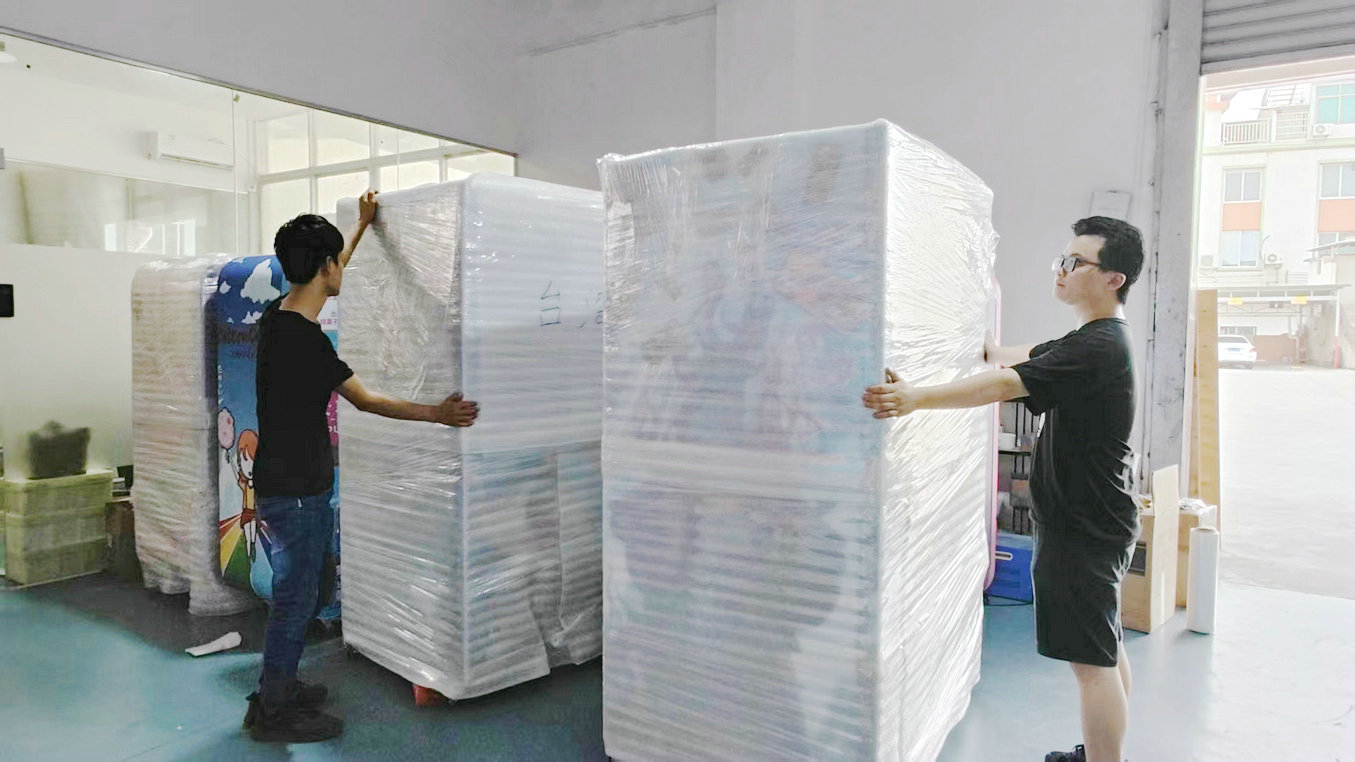
Our two dedicated production lines are optimized for flexible custom orders, allowing us to balance small-batch customized prototyping with large-scale production runs. All raw materials undergo thorough tracking and inspections, guaranteeing that the stainless steel housing, food-grade plastic tubes, and internal motors comply with strict international regulatory codes.
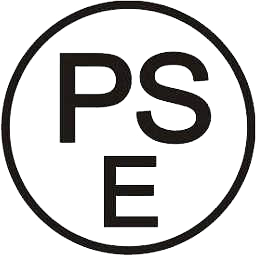
Entering international markets requires adherence to rigorous testing parameters and compliance models. We maintain a robust certification matrix to support clean, hassle-free customs clearance and local operations. Our international certifications include CE certificates for the European market, UL/CSA standards alignment for North America, PSE certifications for Japanese operations, UKCA for the UK, and RCM for Australia and New Zealand. Furthermore, our ISO 9001 quality management framework ensures that every device leaving our 3,000-square-meter facility is built to last.
The future of self-serve ice cream stations lies in personalization and environmental sustainability. Emerging technologies will leverage AI-driven customer face-analysis (where compliant) to recommend flavor pairings or display targeted advertising. In terms of nutrition, the next generation of machines is designed to handle vegan, non-dairy, and plant-based soft-serve formulas without compromising the smoothness of the product. Additionally, our R&D roadmap focuses on carbon-neutral refrigeration cycles and low-power standby modes, helping operators meet environmental, social, and governance (ESG) targets globally.
Our machines meet international quality standards, facilitating seamless market access across major global jurisdictions.








Get answers to technical, operational, and commercial queries regarding the procurement and deployment of our smart self-serve stations.
Our advanced systems feature pasteurization capabilities, which heat the milk mixture to eliminate bacteria, extending the cycle to 7–14 days. Without pasteurization, standard sanitary regulations require manual flushing and cleaning every 3 days. Our IoT system monitors cleaning logs and alerts operators if a cleaning cycle is due.
Yes. The units use standard MDB interfaces, allowing integration with global payment solutions like Nayax, Ingenico, and CPI. This enables support for EMV contact/contactless cards, Apple Pay, Google Pay, and localized bills or coins.
Yes, we provide SDK documentation and APIs. This allows engineers to integrate machine data (including sales, temperature alerts, and raw material levels) directly into custom business dashboards or ERP software.
Our machines include automated temperature monitoring. If power is lost and the hopper temperature rises above 4°C, the system triggers a safety alert. Once power returns, it runs an evaluation cycle to determine whether to resume cooling or run a pasteurization cycle for safety.
Double-cylinder units allow you to store and dispense two distinct flavors (e.g., vanilla and chocolate) plus a mixed twist option, offering 3 menu items. They also provide redundancy: if one cylinder requires maintenance, the other remains online, minimizing downtime.
We provide a comprehensive 12-month warranty on key components, including the compressor and cooling motors. In addition, we export a designated percentage of wear-and-tear spare parts (seals, valves, sensors) with each batch, ensuring local technicians have quick access to replacement components.
Overrun (air incorporated into the ice cream mix) is regulated by our adjustable air-feed pumps. Operators can adjust the overrun settings from 30% up to 60% on the central touchscreen, helping you balance serving texture with raw material yield.
Yes. Our outdoor-specific models feature reinforced thermal insulation, UV-resistant touchscreen filters, and weatherproof housings. We recommend placing outdoor units under a canopy to avoid direct sunlight exposure, which can strain the refrigeration system.
Standard machines can ship within 20-30 business days. Custom orders with custom decals, customized user interfaces, or physical modifications typically require 45-60 days, depending on prototype approval and component availability.
For Japan, we supply units tested to PSE standards. For Australia and New Zealand, we supply units with the RCM compliance marking. These certifications ensure that the electrical systems comply with local national safety requirements.