CN Soft Serve
CN Soft Serve
CN Soft Serve
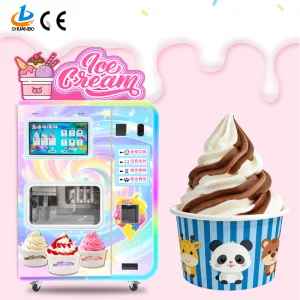
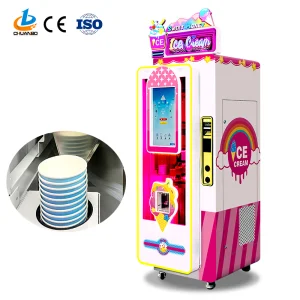
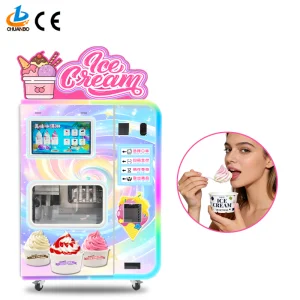
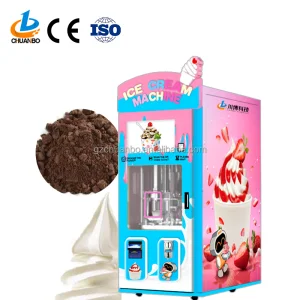
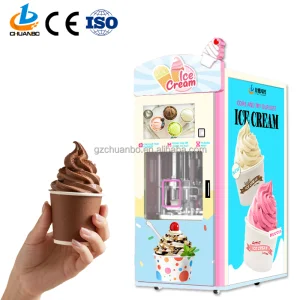
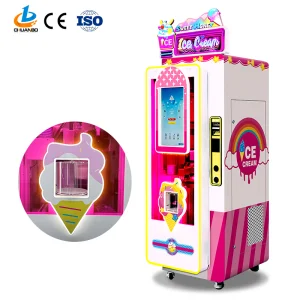
Explore our top-recommended automated soft serve and frozen beverage solutions tailored for international distribution channels.
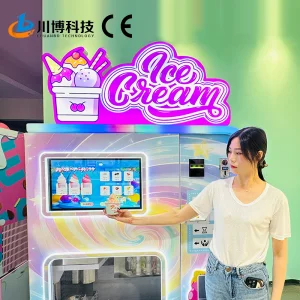
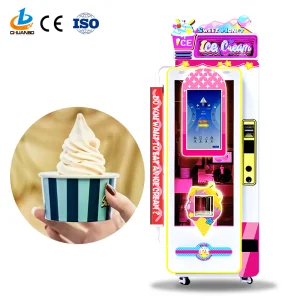
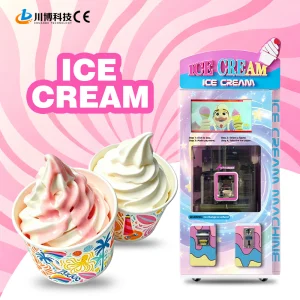
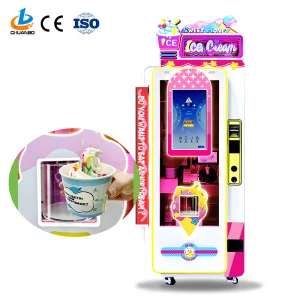
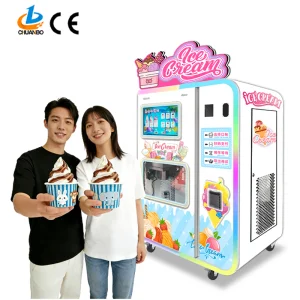
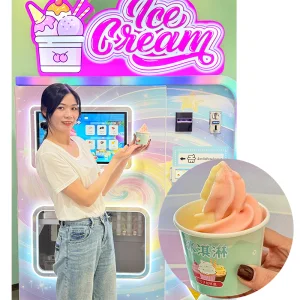
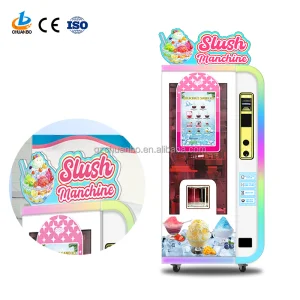
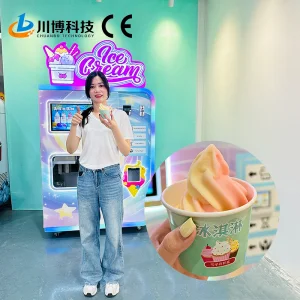
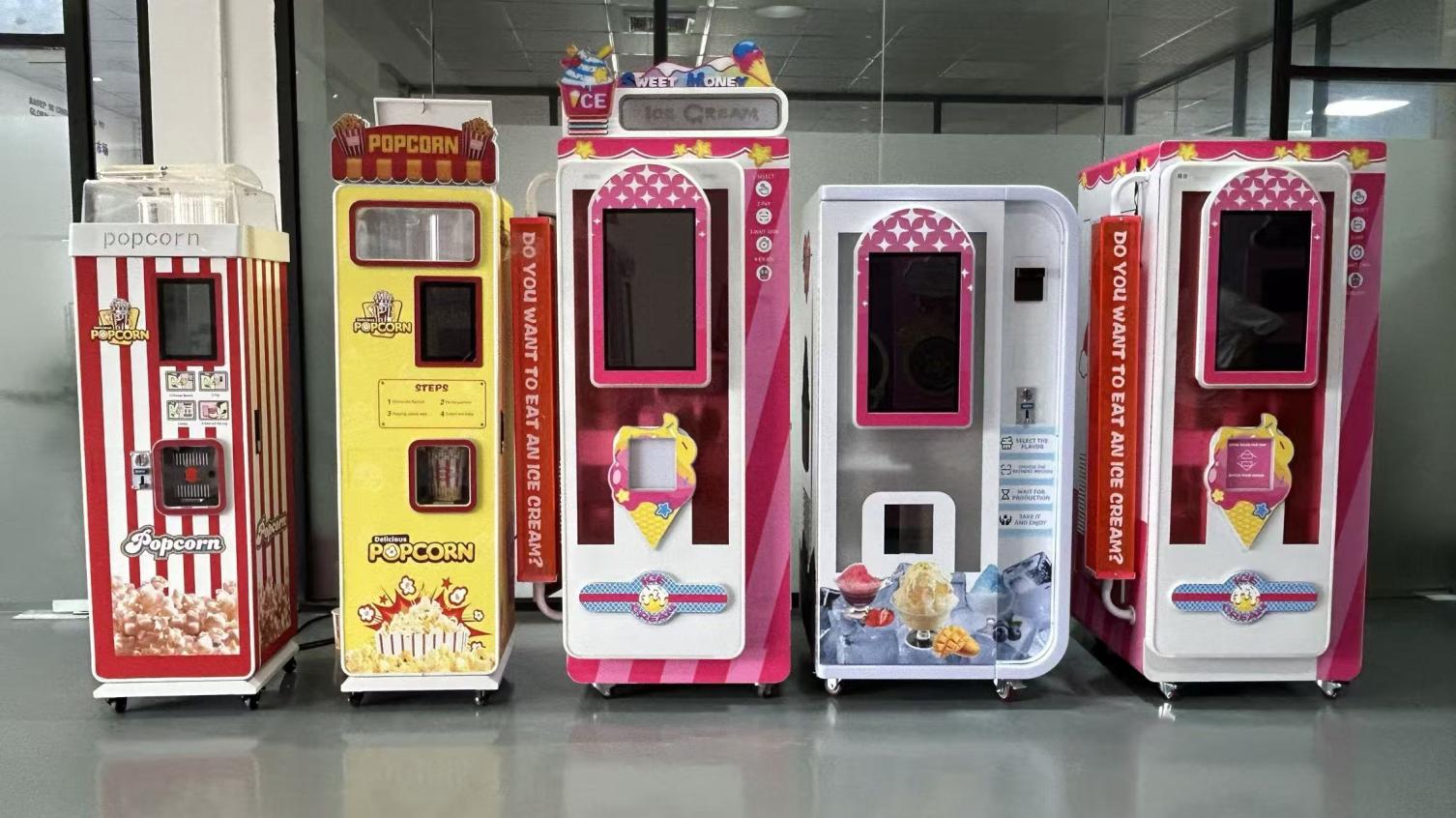
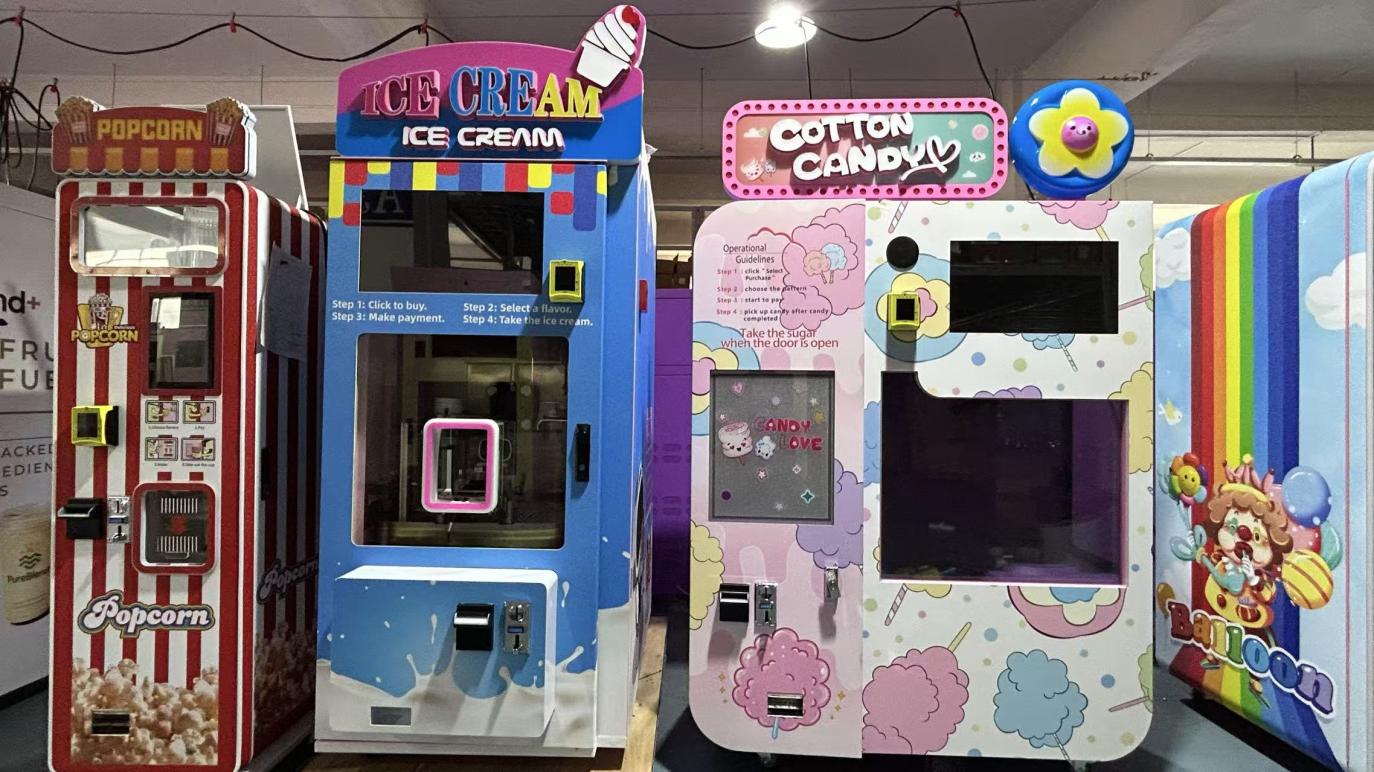
The global commercial food equipment industry is experiencing a profound paradigm shift. Driven by skyrocketing labor costs, the demand for contact-free shopping experiences, and advancements in the Internet of Things (IoT), the classic commercial slush and ice cream dispenser has evolved. Modern smart frozen beverage machines and unattended vending stations represent a high-margin, space-efficient solution for various commercial properties.
Unlike legacy countertop dispensers that require constant manual sanitization, refilling, and operator monitoring, contemporary models manufactured in China integrate commercial refrigeration with automated robotic delivery systems. This integration ensures high throughput—delivering fresh, high-quality, dual-flavor products or customized smoothies in under 15 seconds. By operating 24/7 without personnel expenses, businesses are securing a rapid return on investment (ROI) within key locations like shopping complexes, mass-transit hubs, and amusement parks.
Key Market Insight: Unattended food and beverage solutions from leading Chinese manufacturers leverage unified hardware APIs and open-source Android SDK structures. This allows seamless system integration into existing retail infrastructures across global markets.
Understanding the mechanical and architectural systems of high-capacity frozen beverage makers is critical for B2B buyers. The efficiency of heat exchange and product consistency depends heavily on refrigeration design and build materials.
Advanced systems feature independent compressor circuits for each freezing cylinder. This ensures that a technical fault in one line won't shut down the entire machine. Operators can also run different formulations (such as low-sugar smoothies and premium soft creams) simultaneously without flavor bleeding.
Intelligent control boards manage gas-injection valves and scraper speed. This manages the product's "overrun" (the percentage of air whipped into the mixture), optimizing product volume, sensory texture, and ingredient cost control.
Public-facing vending devices require robust safety features. Optoelectronic safety curtains, physical mechanical locks, and anti-clamping dispensing hatches protect users (especially children) from the high-torque mechanics inside.
To maintain commercial hygiene, these machines feature CIP (Cleaning-in-Place) heat cycles. They heat raw dairy or beverage mixes to pasteurizing temperatures directly inside the hopper, reducing manual cleaning cycles from daily intervals to once a week. This maintains food-safety compliance while cutting down on operating overheads.
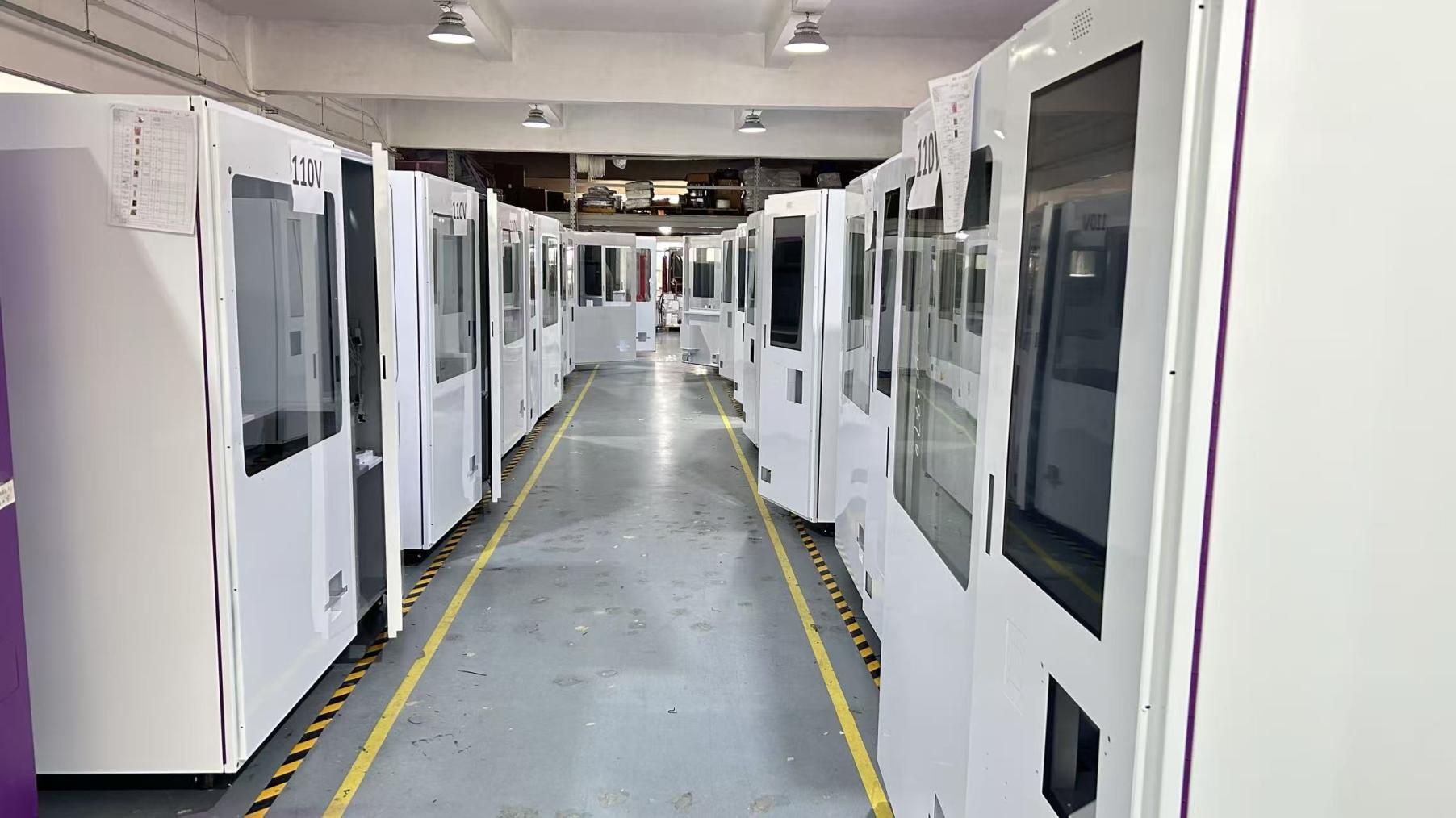
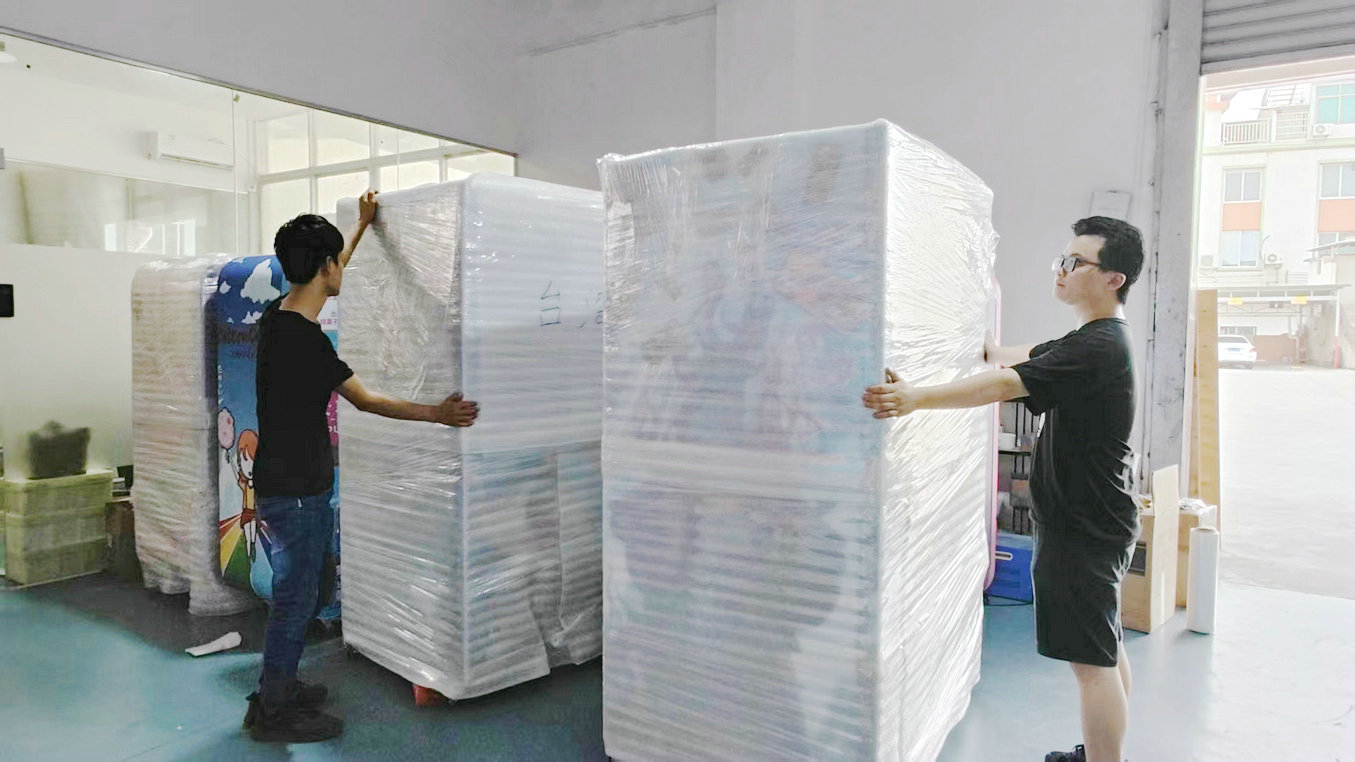
Working directly with a reputable OEM/ODM factory in China offers significant advantages. China's specialized industrial clusters allow manufacturers to design, source, and assemble commercial equipment efficiently. This results in several core benefits for global buyers:
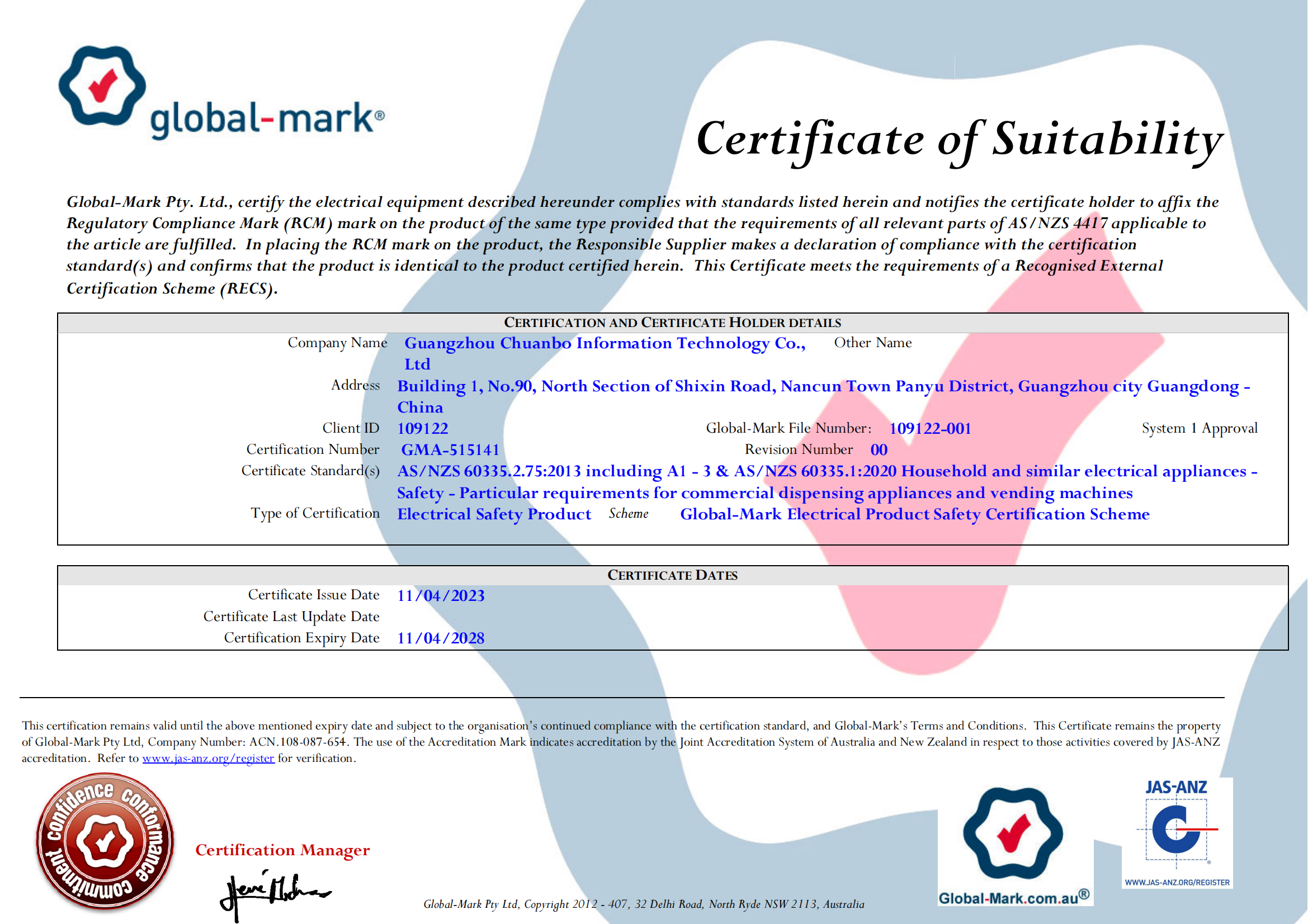
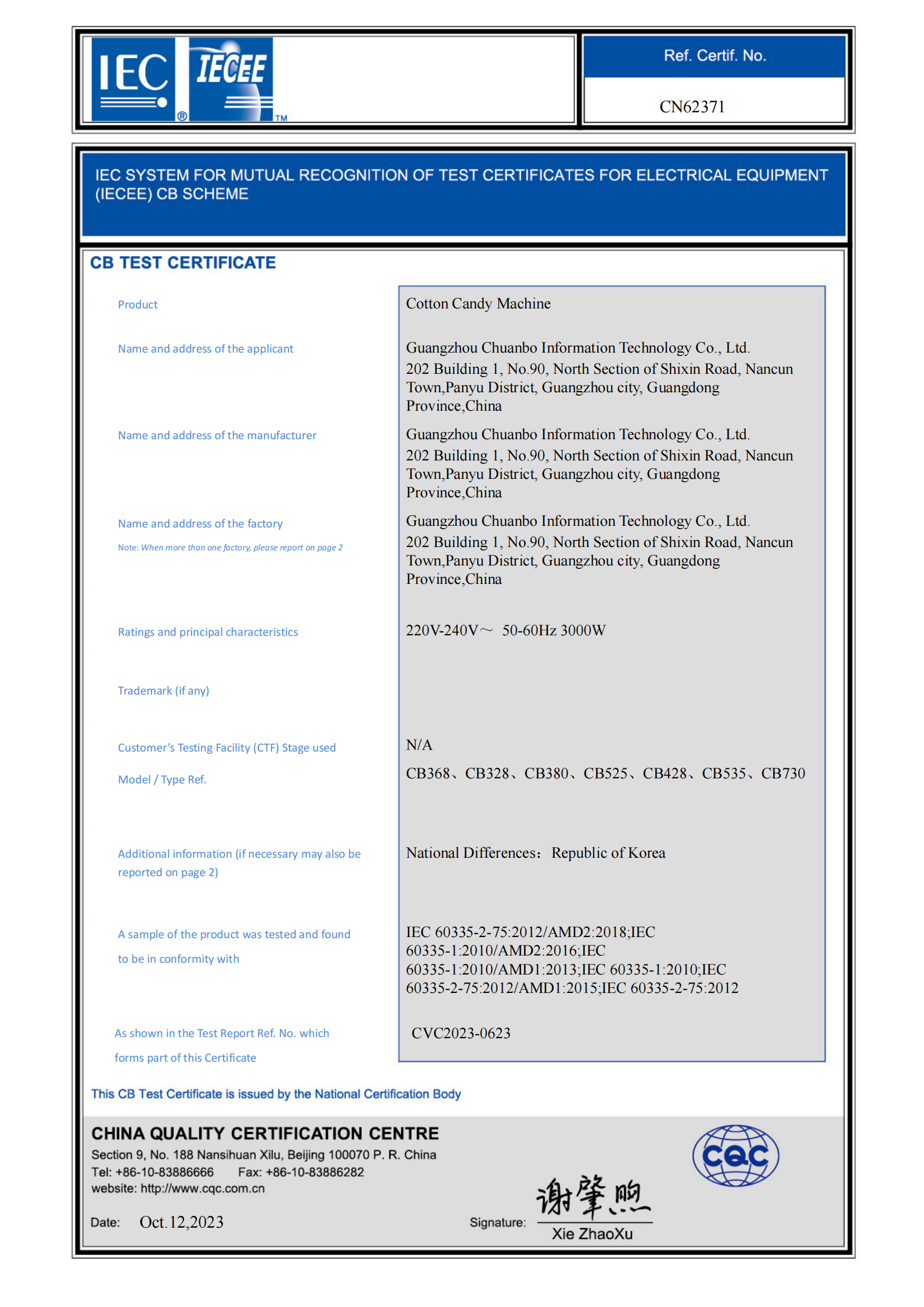
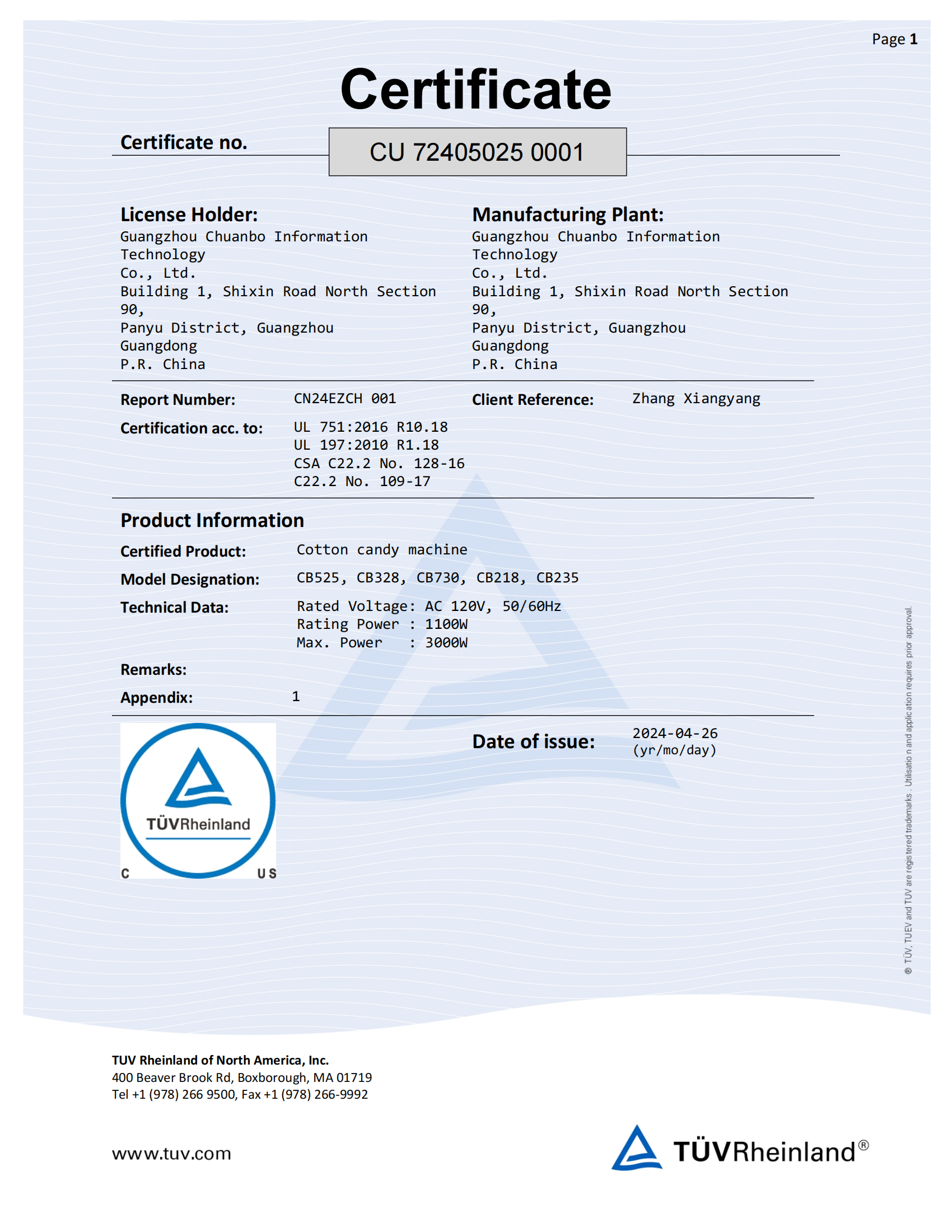
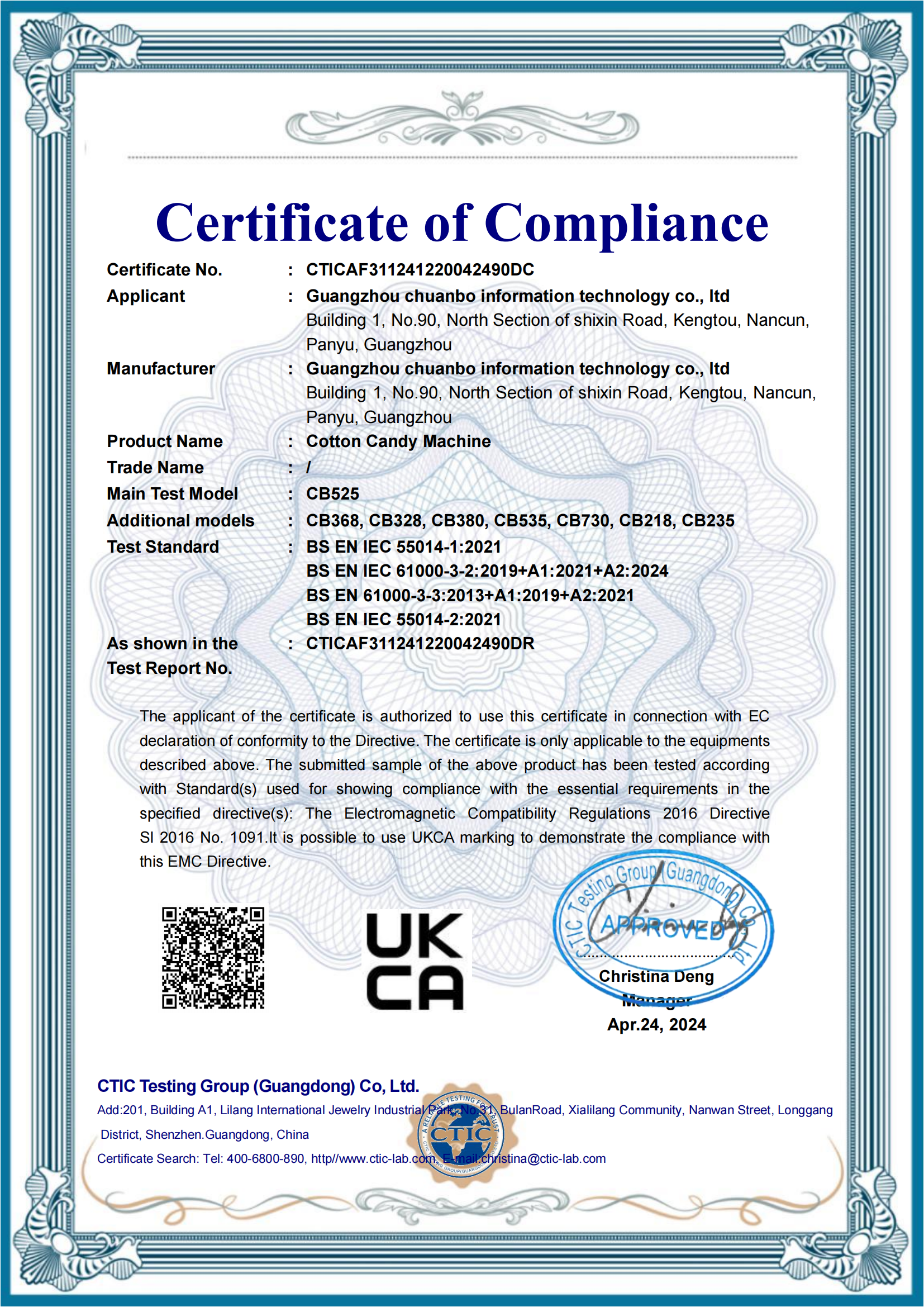
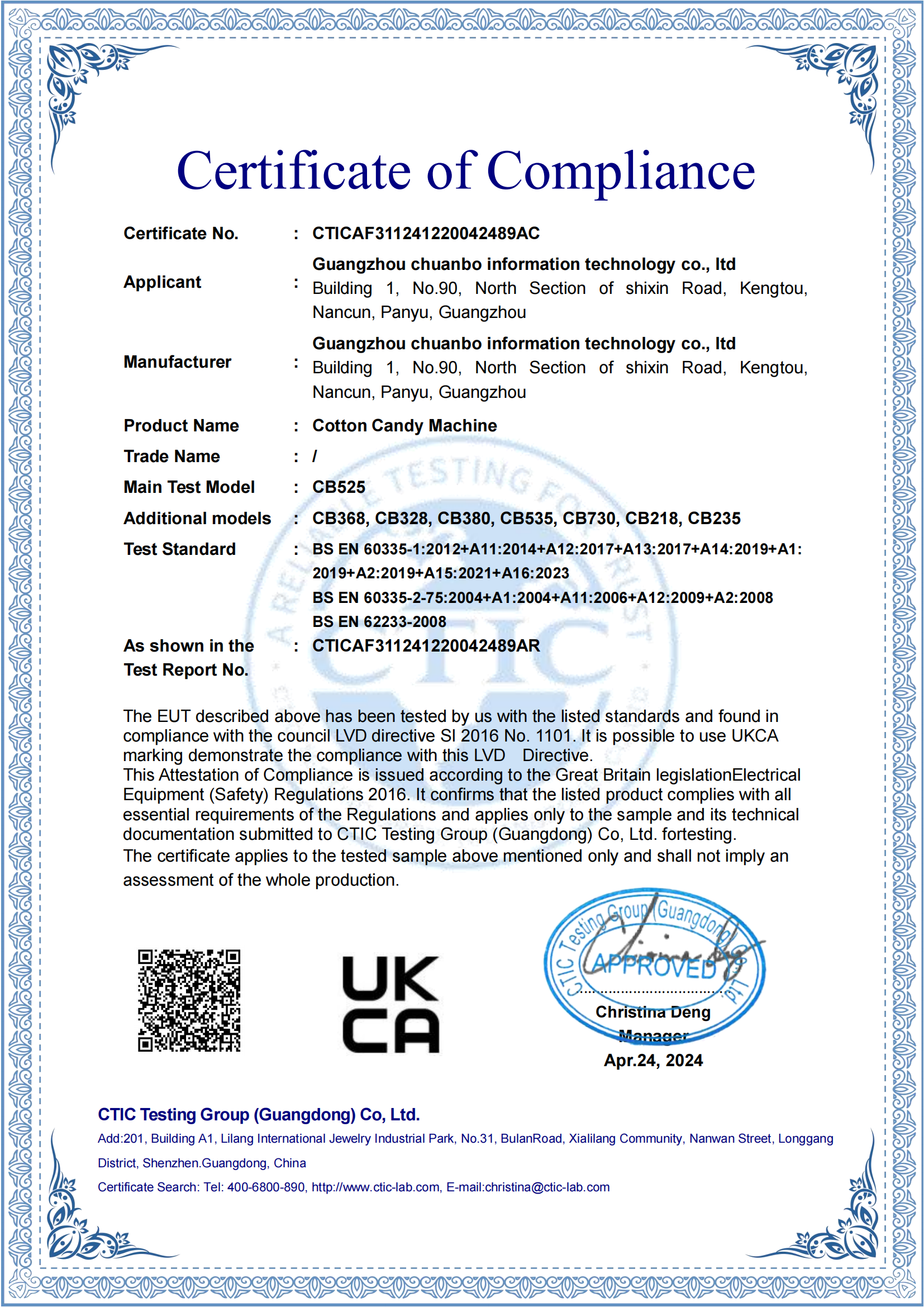
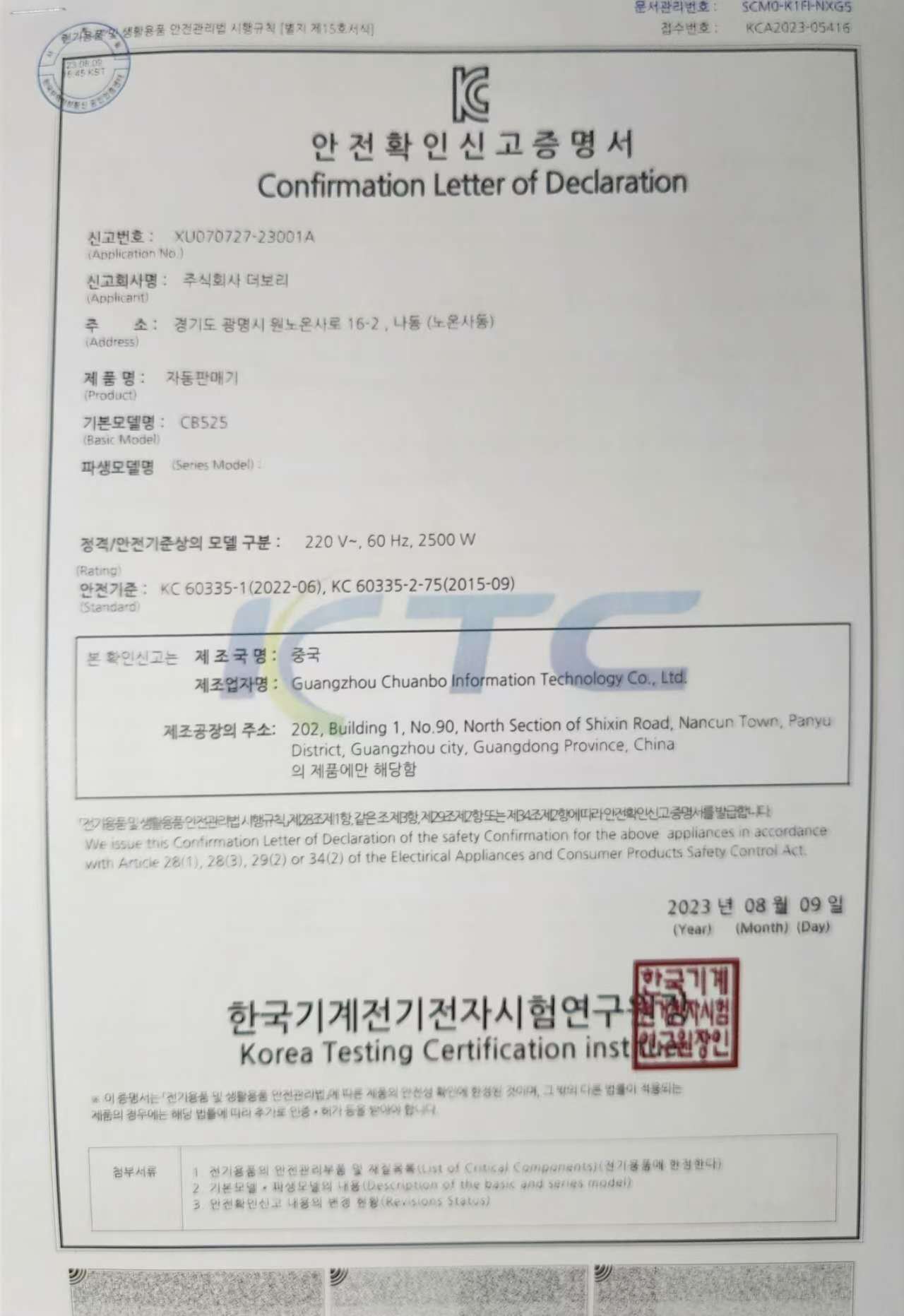
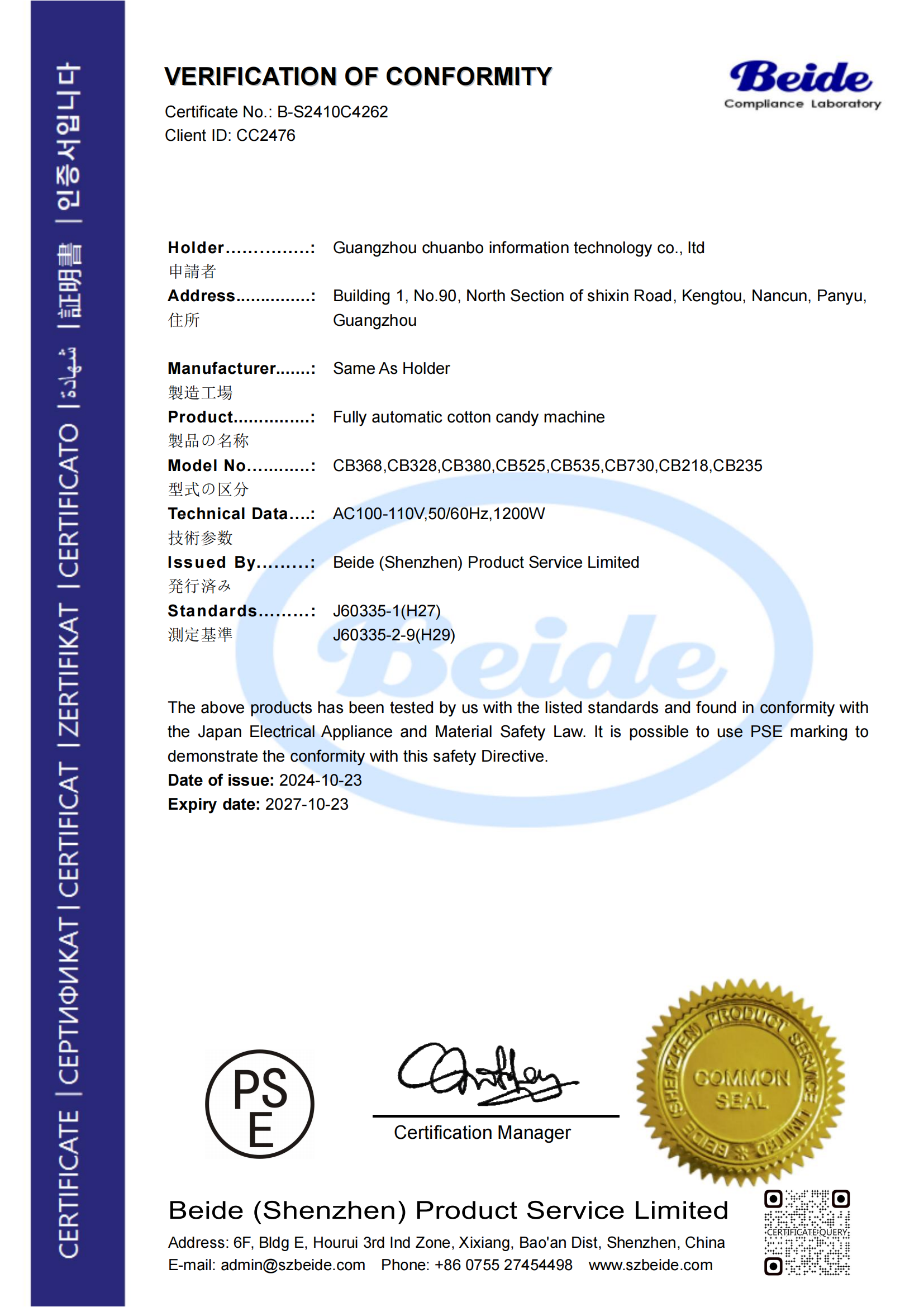
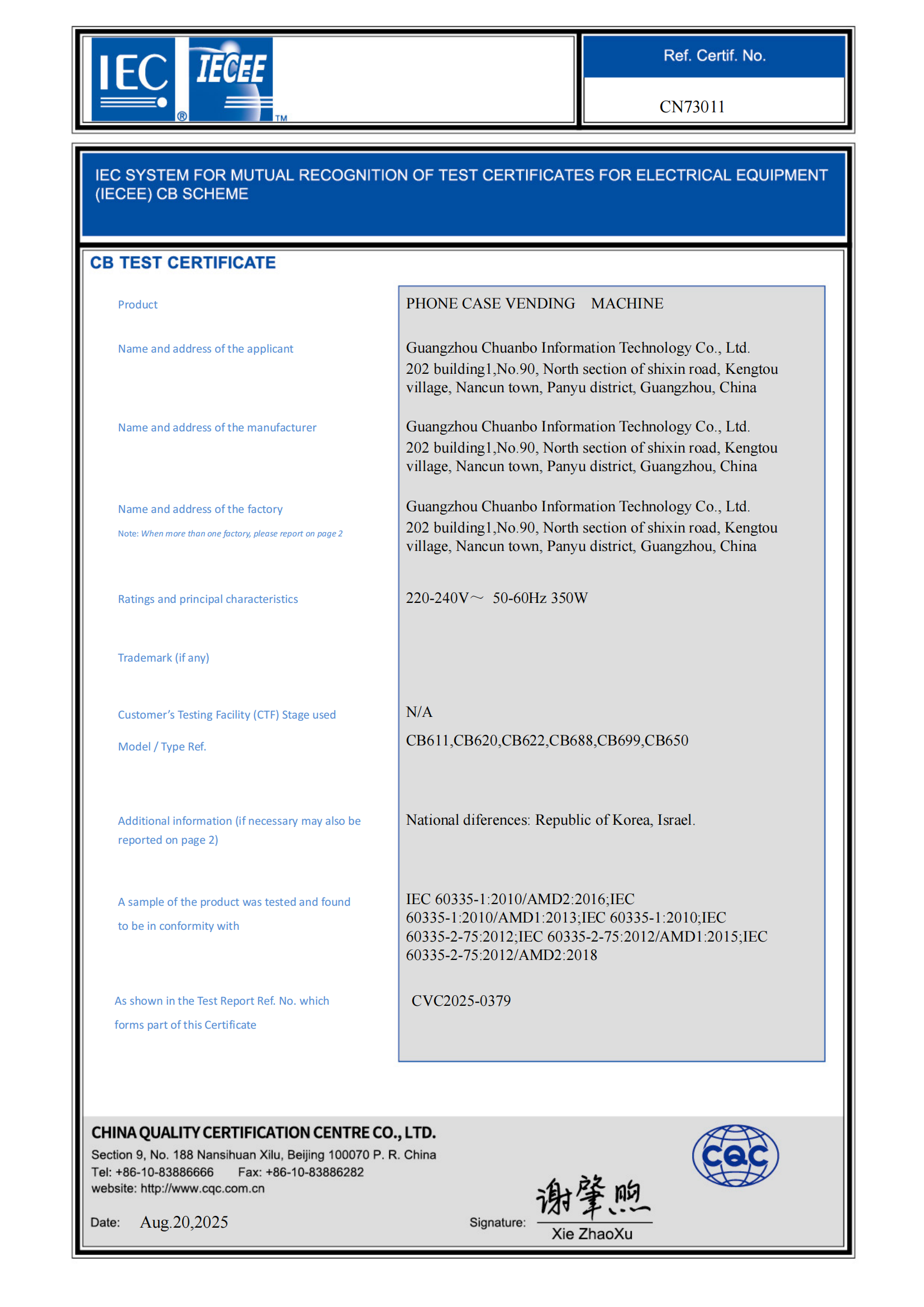
Importing machinery into markets like North America (accounting for 26% of our export share), South America (20%), or the Middle East (10%) requires meeting strict compliance criteria. Equipment safety, electromagnetic compatibility, and food contact approvals are strictly monitored by regional customs agencies.
| Region / Market | Required Certifications | Technical Focus & Compliance Focus |
|---|---|---|
| United States & Canada | UL 62368-1, NSF/ANSI 18 or 51 | Electrical safety, food-grade contact materials, component sanitation. |
| European Union (EU) | CE Mark, RoHS Directive, CB Scheme | Low Voltage Directive (LVD), EMC testing, hazardous substance elimination. |
| United Kingdom | UKCA Certification | Post-Brexit alignment with UK electrical and machine safety rules. |
| Japan & South Korea | PSE Mark, KC Certification | Local voltage safety validation (100V / 220V 60Hz grid alignment). |
| Australia & NZ | RCM (Regulatory Compliance Mark) | Electromagnetic compatibility and telecommunications interference safety. |
B2B buyers should request direct verification of laboratory certificates (such as TÜV, SGS, or Intertek reports) before completing factory orders. Buying certified equipment helps prevent customs clearance issues and ensures compliance with local health department safety guidelines.
The compact size and high automation of smart beverage vending machines allow for deployment across various profitable commercial environments:
Locations like amusement parks, transit stations, and tourist spots operate 24 hours a day. Automated vending systems function continuously, allowing users to buy freshly prepared frozen yogurt or slush drinks using local mobile payment systems or international credit cards.
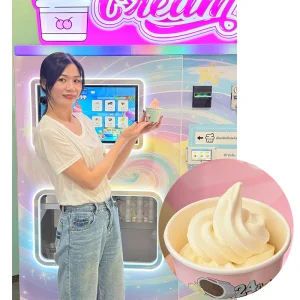
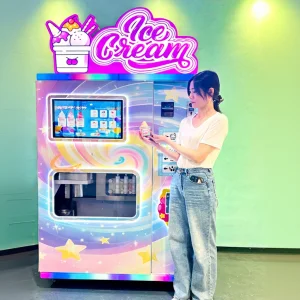
Modern retail spaces value visual aesthetics. Features like interactive 32-inch touchscreen displays, customizable LED lighting, and see-through robotic preparation windows attract shoppers and help drive passive retail income.
Integrating these machines into quick-service restaurants helps resolve labor challenges. Integrating the machine's SDK with local POS systems allows kitchen orders to trigger the beverage dispenser automatically, speeding up order fulfillment.
Transparent production data, R&D capacities, and export credentials.
2015-04-08
3000 ㎡
11 Years
2 (Graduate Level)
2 Specialized Lines
100% Materials Inspection
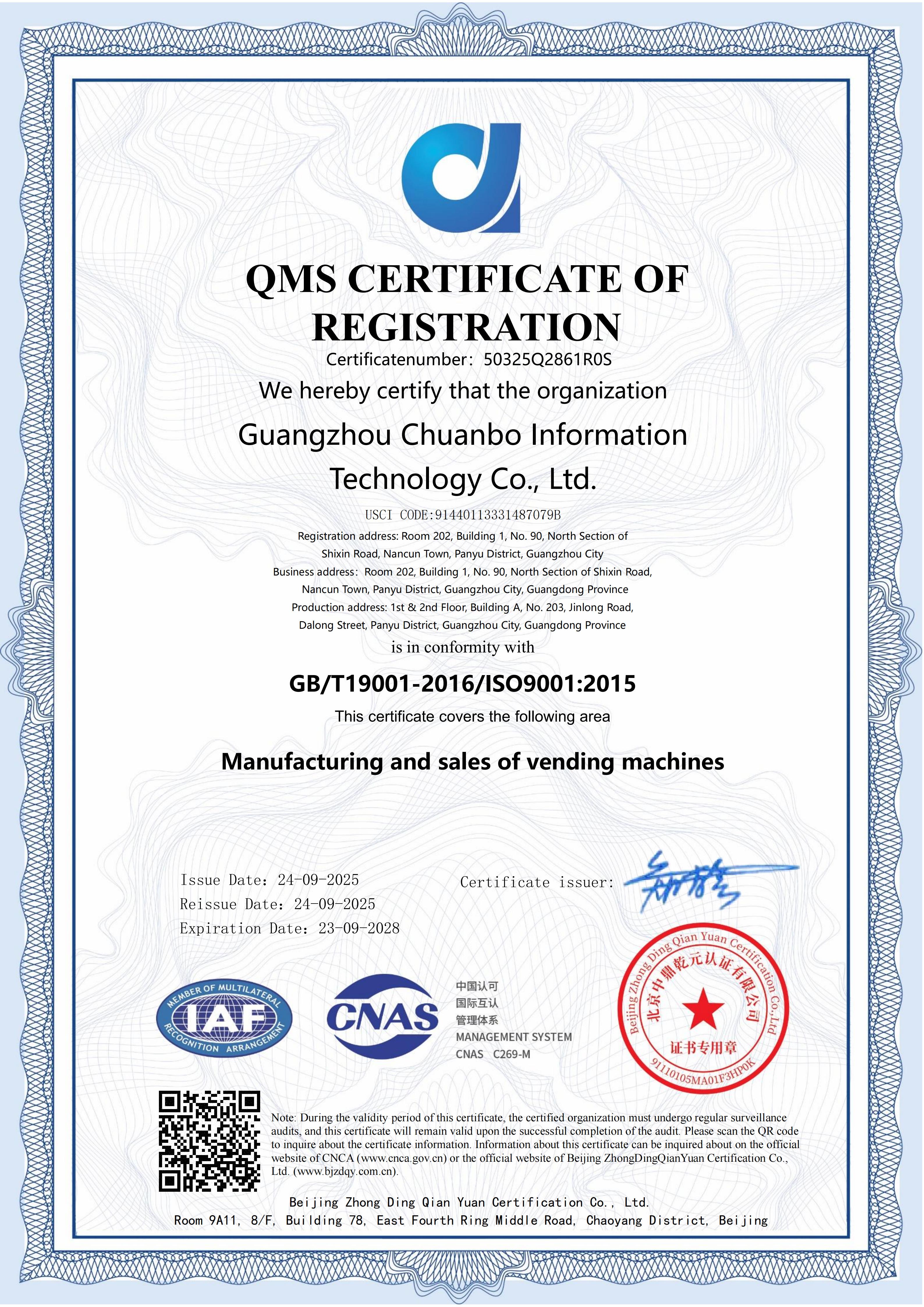
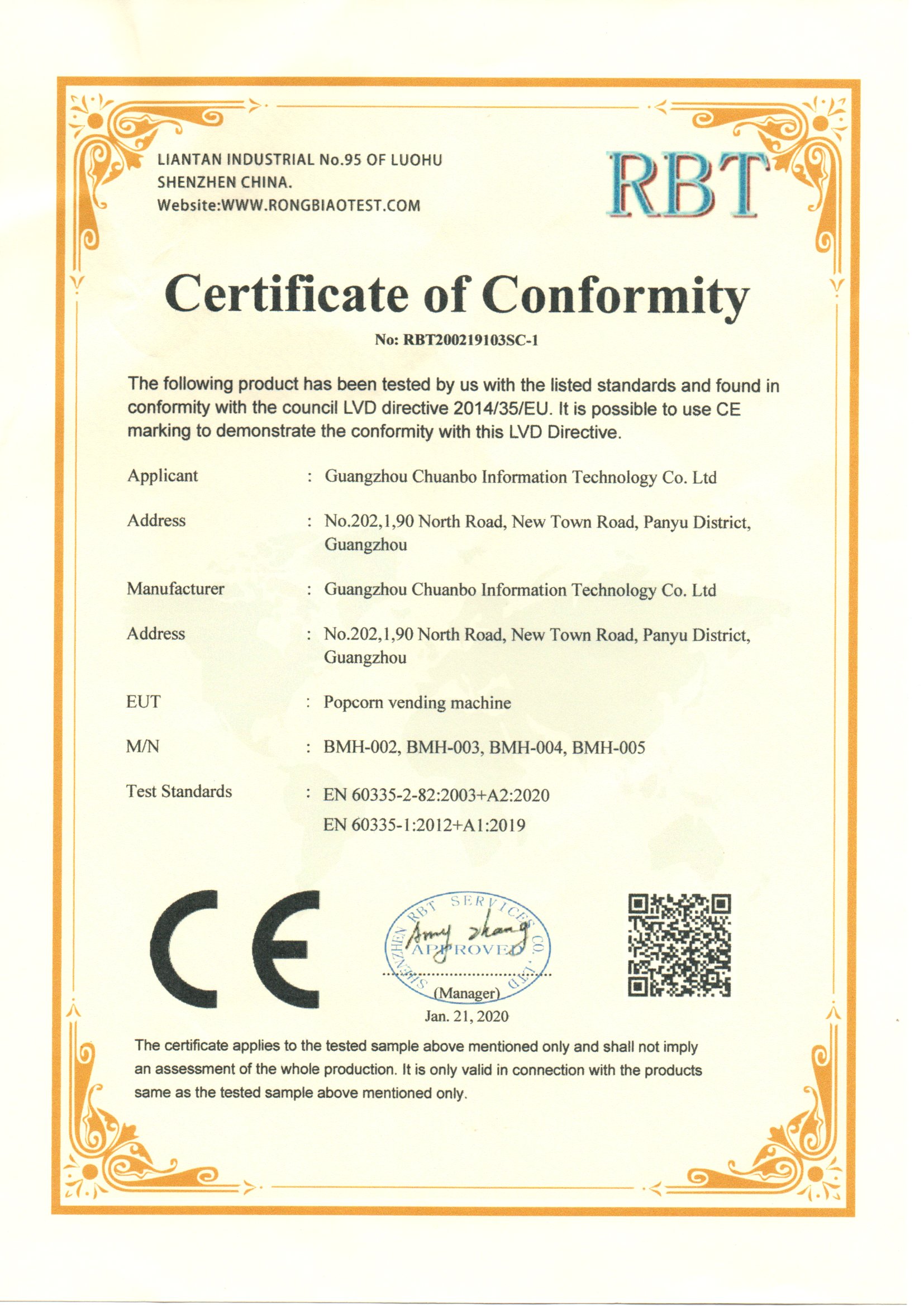
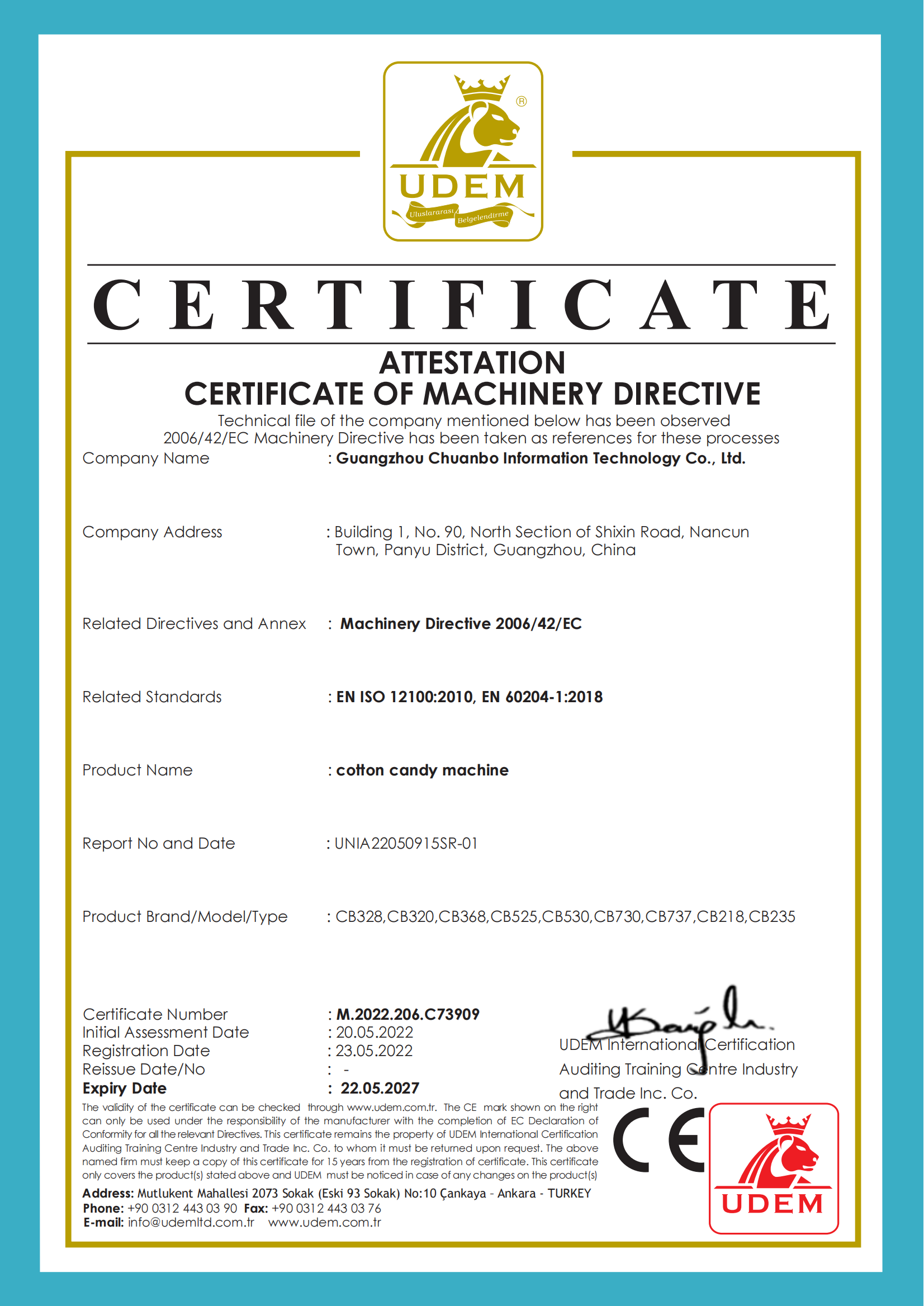
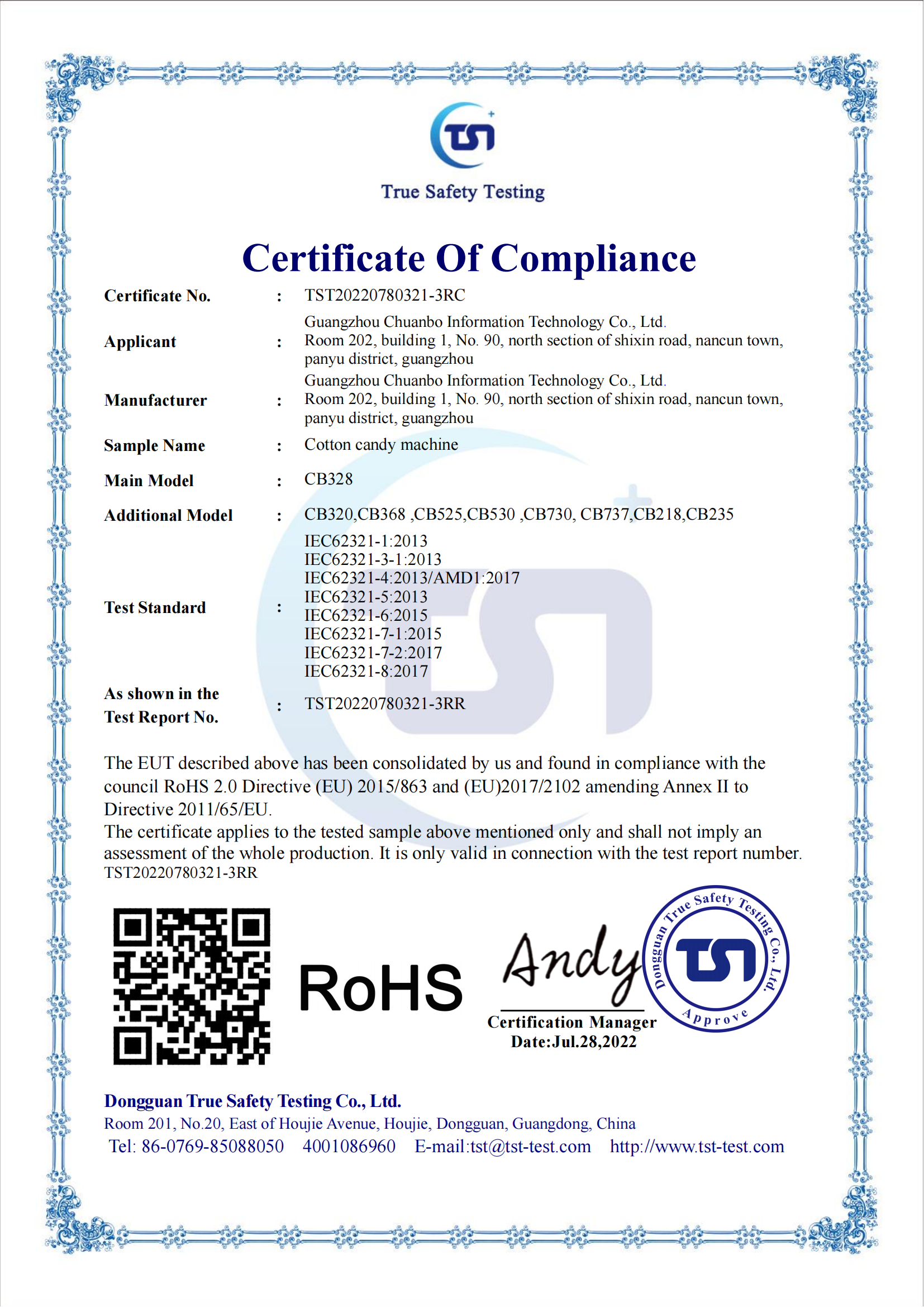
Our equipment undergoes testing at accredited laboratories to ensure compliance with global import standards.
Answers to common technical, logistics, and compliance questions.
Explore additional specialized configurations for cafes, malls, and theme parks.