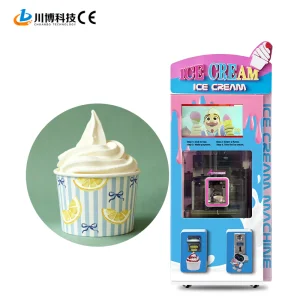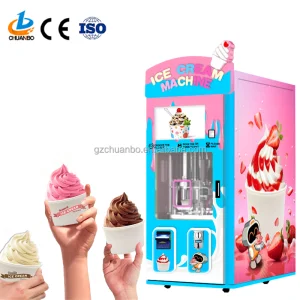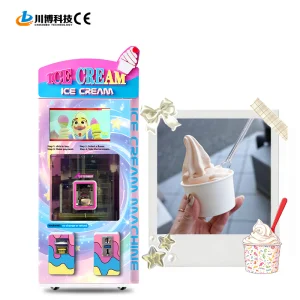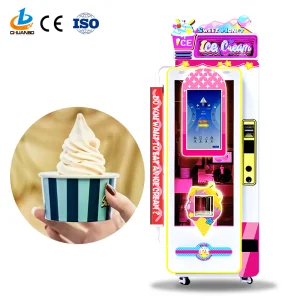
CN Soft Serve CN Soft Serve

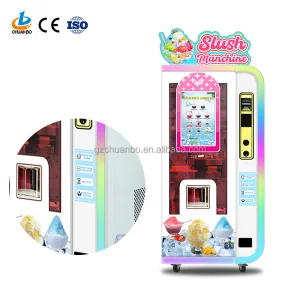
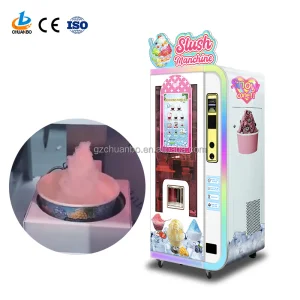
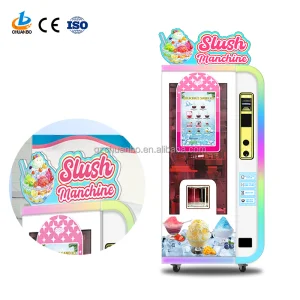
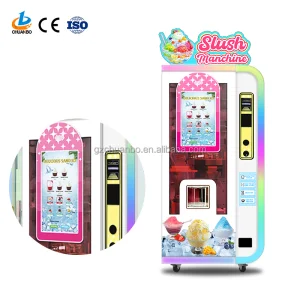
Slush Vending Machine Factories & Exporter serving Nagoya

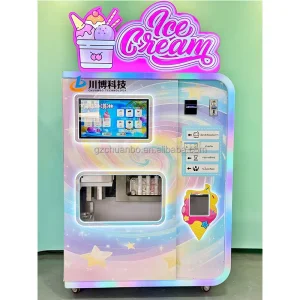
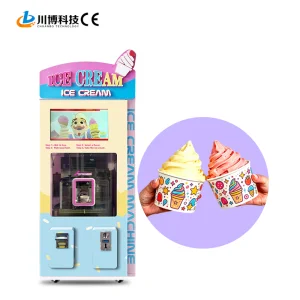
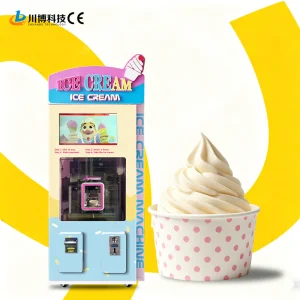
Empowering the Chubu region's automation landscape with robust, high-performance soft serve, smoothie, and slush dispensing units engineered for Japanese compliance, high-volume uptime, and smart telemetry integration.

Industrial Whitepaper: The Evolution of Intelligent Frozen Beverage Automation in Nagoya

In Nagoya and the broader Chubu economic powerhouse, automation is not merely an operational alternative; it is an industrial imperative. As the birthplace of world-class automotive manufacturing and advanced robotics, Nagoya is uniquely positioned to adopt automated retail and unattended food service systems. As labor costs rise and consumer expectations veer toward instant, hygienic, and personalized products, smart slush and smoothie vending machines represent a high-yield retail segment.

1. Commercial Vitality and Nagoya Local Dynamics

Nagoya's extreme summers, driven by continental wind patterns and urban density, yield a extended season for cold beverage demand. High foot-traffic areas like Nagoya Station, Sakae, and the Osu shopping district are prime locations for continuous operations. Historically dominated by traditional canned beverage dispensers, the market is undergoing a transition. Tomorrow's consumers seek high-quality smoothies, fresh fruit mixes, and customizable slushies.

Furthermore, local preferences favor localized flavors, such as matcha green tea, red bean (ogura), and regional citrus profiles. Our slush vending equipment features modular syrup distribution technology, allowing local operators to quickly load native Japanese ingredients without clogging or mechanical failure.

Technical Highlight: Heat Exchanger Optimization

Because Nagoya's summer temperatures can exceed 38°C with high relative humidity, our units employ dual-compressor configurations (Panasonic or Embraco) with independent cooling loops. This ensures that even during constant cycling, product texture remains perfectly stabilized without melting or crystallizing.

2. Global Procurement Challenges & Supplier Qualification

Procuring micro-robotic food machinery internationally requires rigorous validation of component reliability. Global distributors and operators must look for manufacturers who operate with high transparency and strict QA structures. Key procurement checkpoints include:

  • Direct Component Traceability: Ensuring every solenoid valve, cooling tube, and food-grade silicon nozzle is logged under systematic ISO 9001 control.
  • MDB/DEX & SDK Protocol Compatibility: Seamlessly integrating localized payment hardware (such as Nayax, OTI, or native Japanese IC card terminals like Manaca, Suica, and Pasmo) with the machine's primary logic board.
  • Strict Hygiene Loop Implementation: Built-in Clean-in-Place (CIP) pasteurization cycles that heat dairy and fruit ingredients to kill microbial hazards automatically, minimizing manual operations to once-a-week servicing.

3. Technical Roadmap: The AI-Driven Intelligent Vending Era

The transition from a simple electro-mechanical vendor to an autonomous beverage robotic station relies heavily on IoT telemetry and telemetry analytics. Our latest technical iterations include:

  1. Predictive Maintenance Integration: Using current sensor data to forecast compressor degradation, fan failure, or syrup level depletion before an outage occurs.
  2. Dynamic Texture Control: Viscosity sensors dynamically adjust cylinder cooling settings to maintain uniform consistency regardless of surrounding thermal shifts.
  3. Multi-tenant ERP Compatibility: Full API accessibility enables fleet managers in Nagoya to monitor real-time sales, ingredient margins, error logs, and cleaning history from a single control panel.
11+
Years Exporting Globally
3,000㎡
Production Floor Area
99.8%
Operational Uptime
15s
Ultra-Fast Dispensing Speed

Certified Industrial Manufacturing Authority

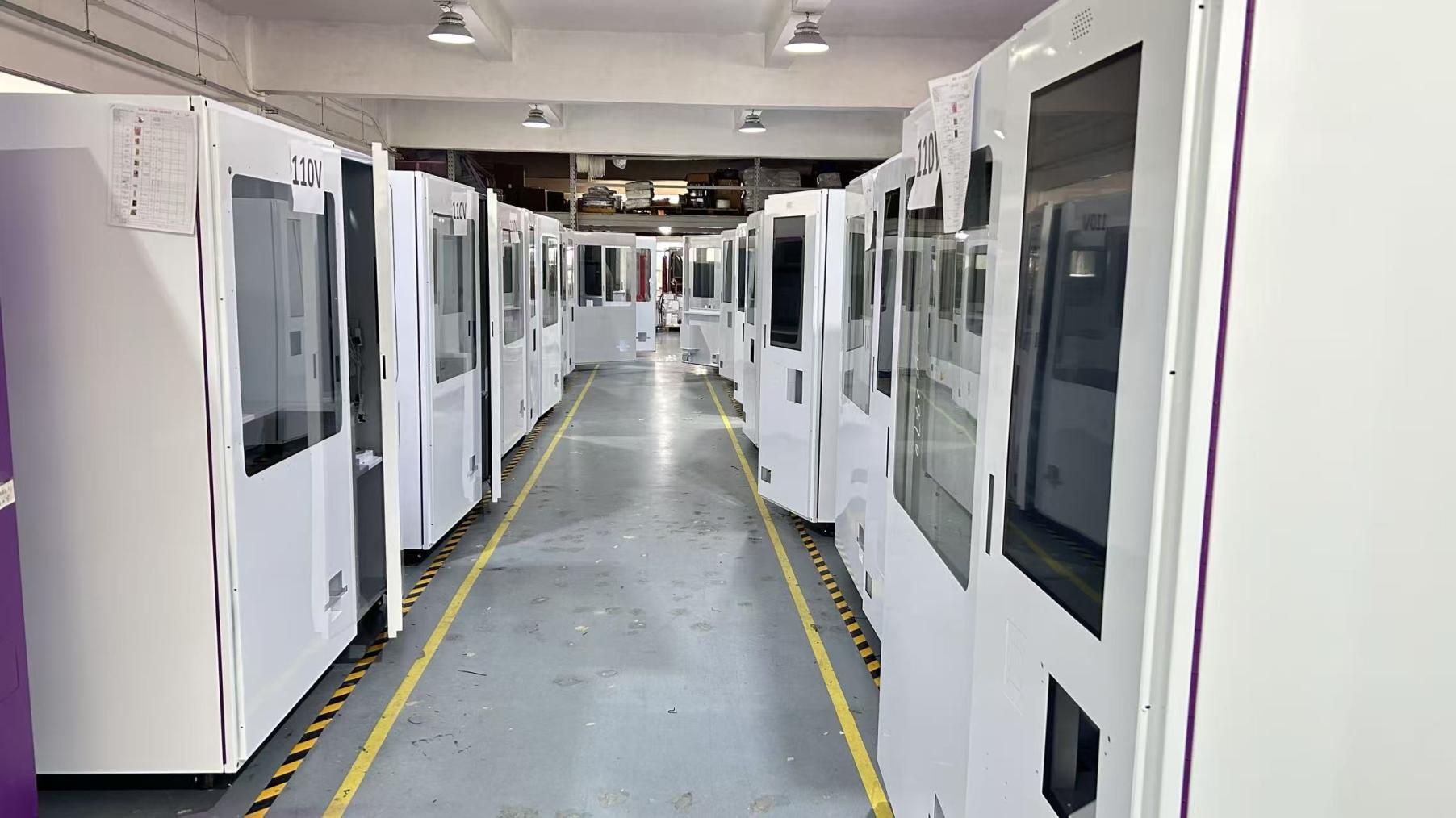
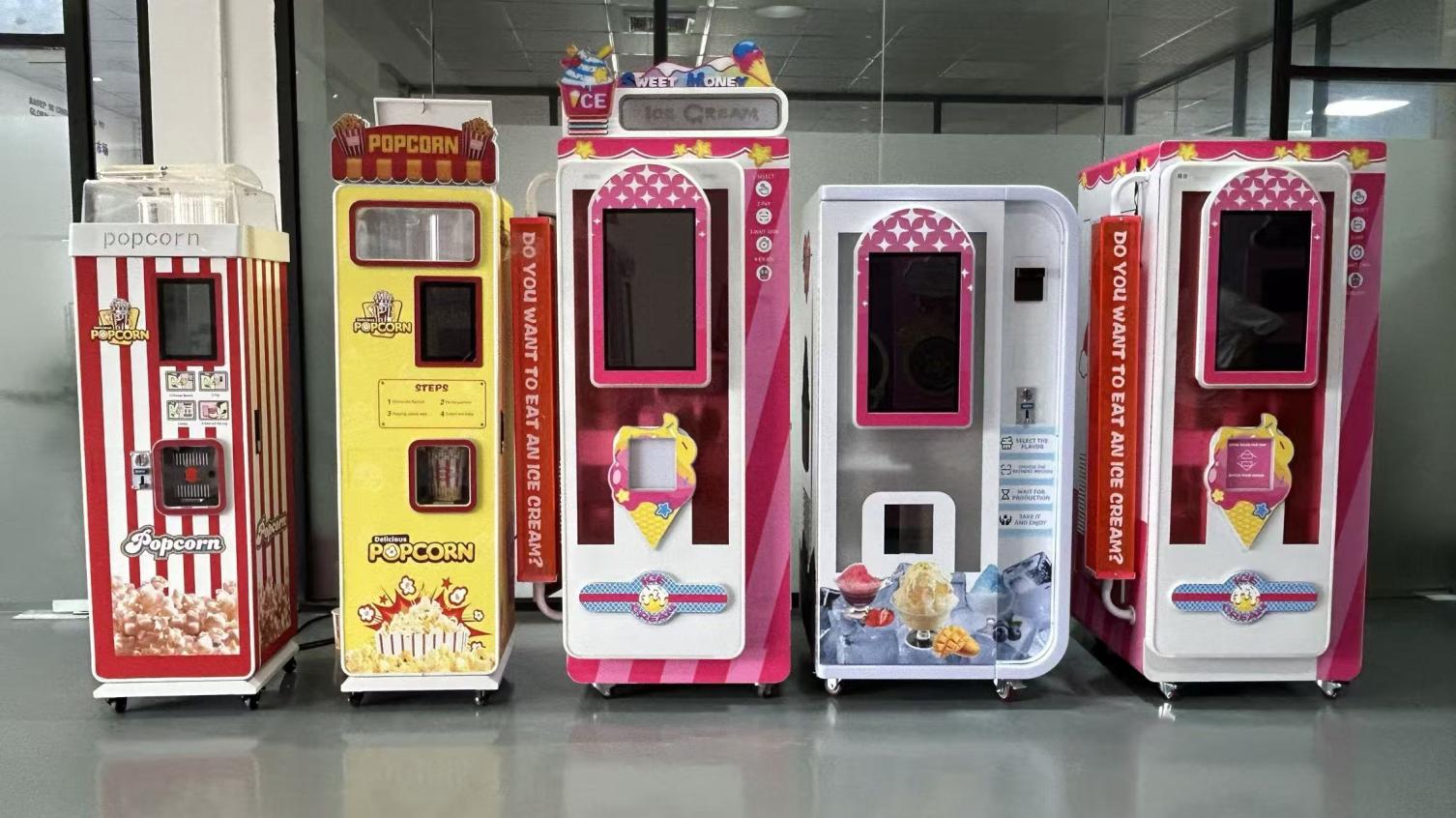
A look at our state-of-the-art facility, robust QA inspection parameters, and our compliance with safety standards required for distribution in Japan and global markets.
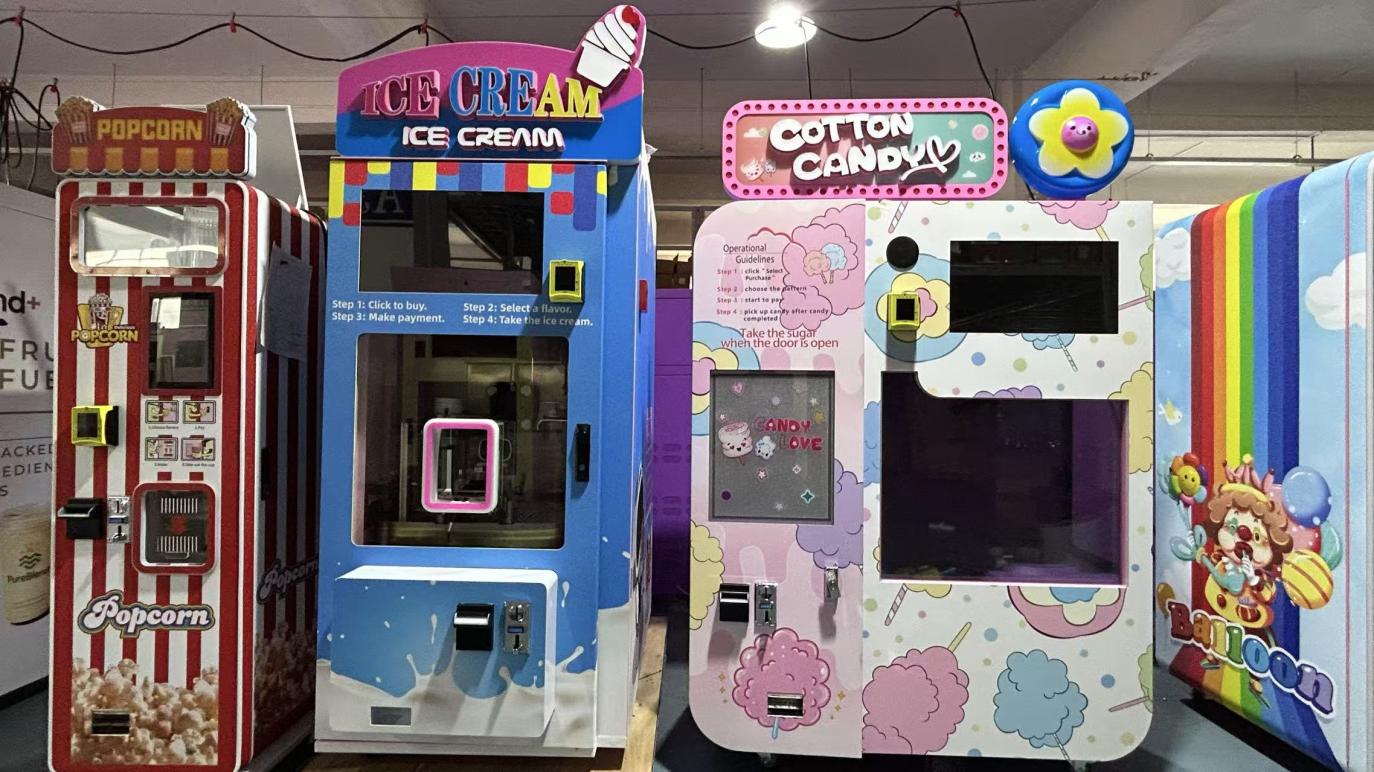
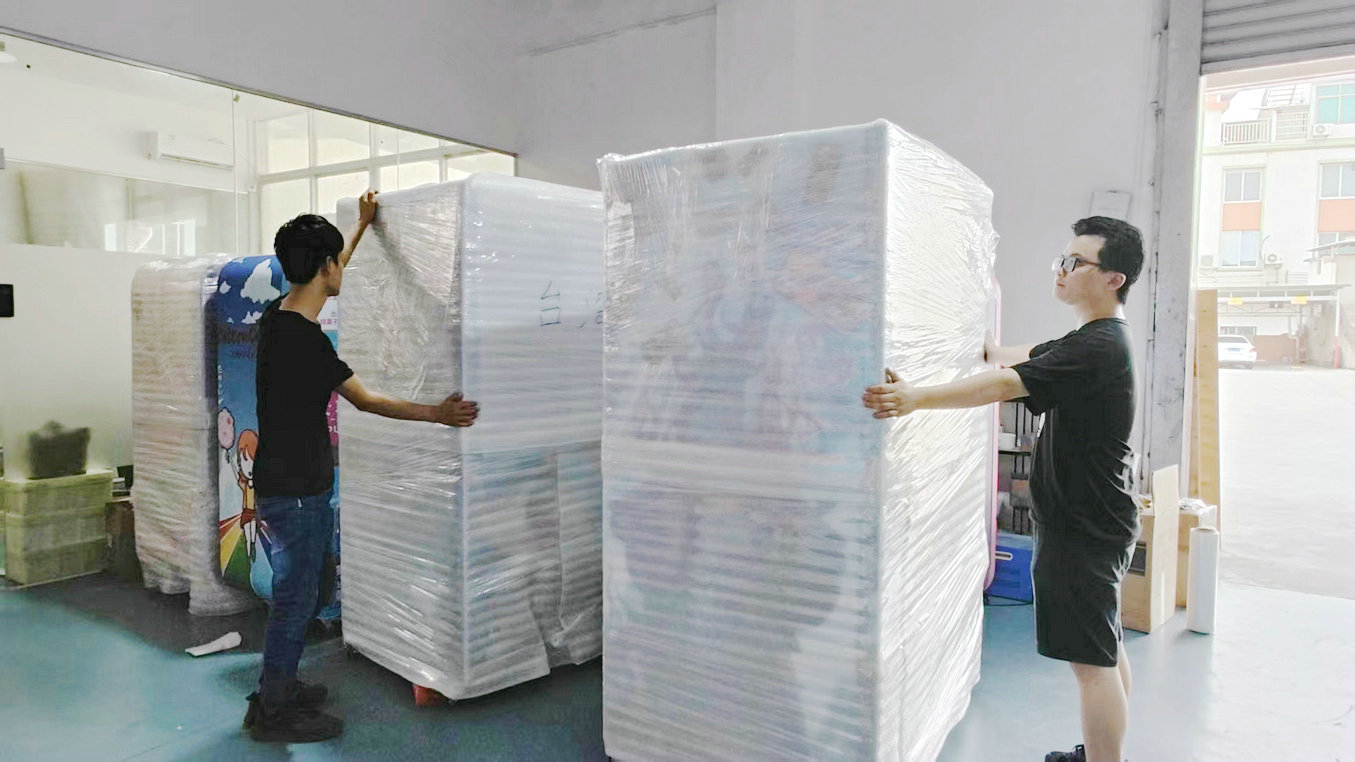
Production Line View Automated Testing Area Internal Mechanical Core Assembly Packaging & Readying for Export
Industrial Profile
Established 2015-04-08
Facility Area 3,000 ㎡
Export Track Record 11 Years
R&D Team Education Graduate Degree (R&D Engineers x2)
QA/QC Inspectors 2 Certified Inspectors
Lines of Production 2 Dedicated Lines
Main Export Markets North America (26%), South America (20%), Mid East (10%)
Supply Chain Alliances 30 Active Partners
Quality & Compliance Certification

To import and operate food equipment within Japan and Nagoya, equipment must meet strict technical specifications. Our products comply with critical international regulatory standardizations, including the mandatory PSE certification for mechanical and electrical safety.
PSE Mark Logo PSE Certificate B-S2410C4262
ISO 9001 Certificate Logo ISO 9001 50325Q2861R0S
CE Certificate Logo CE Standard RBT200219103SC-1
RoHS Certificate Logo RoHS Safe TST20220780021-3RC
RCM Mark Logo RCM Approval GMA-515141
CB Standard Logo CB Scheme CN62371
UL Safety Standards Logo UL Listed CU 72405025 0001
UKCA Certificate Logo UKCA Compliant CTICAF311241220042490DC

KC Certification Logo KC Korea XU070727-23001A

4. Regulatory Frameworks for Import and Operation in Japan

Operating public beverage machines in Nagoya requires compliance with domestic safety rules. Our machinery addresses these criteria through targeted product development:

  • Japanese Food Sanitation Act (食品衛生法) Standards: All product contact surfaces, internal piping, and automated mixers are constructed from FDA-approved, food-grade materials to prevent contaminant migration.
  • Electrical Safety (PSE Certificate B-S2410C4262): Our components are calibrated to standard 100V-110V 50Hz/60Hz, accommodating Japan’s split-grid system. The electrical system is shielded against surges and isolated to meet fire safety regulations in densely occupied commercial corridors.
  • Eco-Refrigerants: To match Japan's strict climate laws, we offer R290 and R448A eco-friendly refrigerants with zero Ozone Depletion Potential (ODP).

5. Logistics, Customization, & OEM Support

Operating as an industrial exporter serving Nagoya, we manage shipping from our logistics facilities directly to Port of Nagoya. Our workflow supports custom branding and software localization:

  • GUI Translation: Pre-programmed dual English and Japanese interfaces tailored for native consumers.
  • Hardware Adaptation: Custom brackets for Nayax and OTI cashless payment systems.
  • OEM Color Schemes: Shell and LED wraps customized to align with client branding.

Technical FAQ & Operations Guidance

Answering key logistical and engineering questions for operations and supply chain managers in Nagoya and surrounding prefectures.

Q1: What electrical configurations are available for machines sent to Japan?
Our machines are configured to run at single-phase 100-110V / 60Hz to match Nagoya's electrical grid. We configure the motors and heating elements at the factory to avoid localized frequency drops or voltage fluctuations.
Q2: Do your slush and ice cream vending machines hold PSE and CE marks?
Yes, our machines hold PSE compliance (Certificate No: B-S2410C4262) for electrical safety. They are also certified under CE (RBT200219103SC-1) and UL, ensuring they meet the standards required for import and commercial use in Japan.
Q3: How are payments processed in Japan? Can the machine link with local IC cards?
Our mainboard features a standardized MDB (Multi-Drop Bus) protocol port. Utilizing an SDK integration, you can connect contactless terminals like Nayax Onyx or local Japan-compliant systems to accept credit cards, QR payments, and local IC transit cards (such as Suica, Pasmo, and Manaca).
Q4: What is the typical lead time for shipping cargo to Nagoya Port?
Standard OEM production takes between 25 and 35 days. Sea shipping from our facility to the Port of Nagoya typically takes 7 to 10 days, depending on route availability. Custom software and branding modifications may affect production lead times.
Q5: How does the automatic cleaning cycle operate, and what are the maintenance intervals?
The machines feature an automated Clean-in-Place (CIP) cycle. For dairy-based smoothies, the machine warms the product lines to pasteurize the ingredients, killing micro-bacteria without requiring manual emptying. Complete manual teardown and sanitization is only required every 7 to 14 days, depending on local municipal code.
Q6: How does the system handle fluctuations in ambient temperature?
We build the refrigeration deck using Panasonic and Embraco compressors paired with oversized condenser units. Viscosity sensors monitor the product consistency inside the freezing drum, adapting cycle lengths to maintain product quality during hot weather.