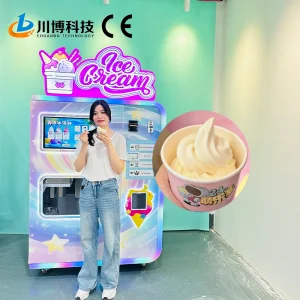
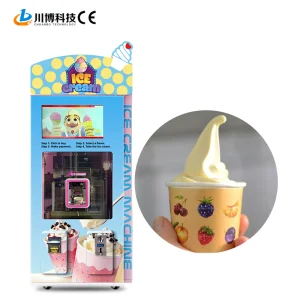
CN Soft Serve
CN Soft Serve
CN Soft Serve
Engineered with dual independent refrigeration lines, high overrun gear pumps, and custom localized payment API compatibility for Ho Chi Minh City, Hanoi, and Da Nang.
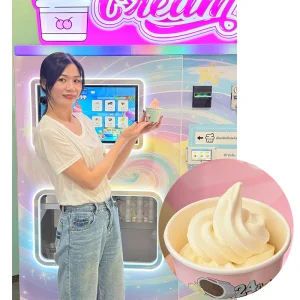
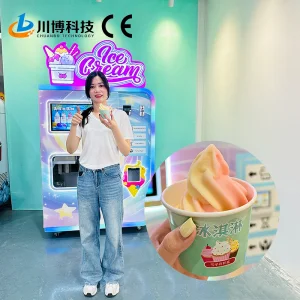
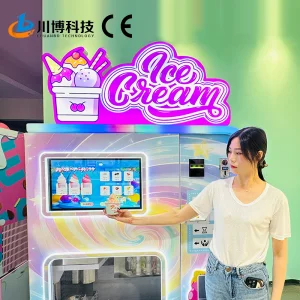
Vietnam is experiencing an unprecedented surge in Quick-Service Restaurants (QSRs), modern convenience store franchises (such as Circle K, GS25, and WinMart), and large-scale entertainment plazas. Driven by a young, urbanizing population and rising disposable incomes in metro hubs like Ho Chi Minh City, Hanoi, Da Nang, and Can Tho, the demand for cold desserts is soaring year-round.
However, operating standard commercial ice cream equipment in Vietnam presents unique thermodynamic challenges. Average tropical ambient temperatures regularly exceed 35°C, accompanied by relative humidity levels surpassing 85%. Cheap, single-hopper, or poorly insulated gravity-feed ice cream machines suffer from performance degradation, soft-freeze output, and microbiological hazards under these intense conditions.
This is where our industrial-grade dual-hopper model ice cream machines redefine the operational standard. Engineered with independent cooling loops, pressurized air pumps, and dual-cylinder isolation, our machinery guarantees a continuous overrun of 40% to 80% while maintaining absolute product freshness and food safety compliance (CE, CB, and UL approvals) regardless of external heat loads.
An analytical breakdown of why our multi-compressor architectures outlast and outperform traditional single-cycle machines.
In standard ice cream machines, a single compressor is forced to share thermodynamic capacity between two hoppers and their respective freezing cylinders. In peak tropical summer afternoons, this layout leads to slow recovery times and wet, under-frozen ice cream. Our dual-hopper systems deploy a dual-compressor array utilizing dedicated Embraco or Copeland commercial refrigeration scroll-compressors.
Dedicated auxiliary compressor keeps raw mix at 2°C - 4°C in both hoppers, preventing bacterial growth.
Hopper agitator blades keep mix completely homogenized, preventing phase separation.
Air gear pumps introduce filtered air to achieve precise overrun targets (adjustable up to 80%).
| Technical Parameter | Standard Ice Cream Machine | Our Dual-Hopper Vending System | Direct Benefit for Vietnam Operators |
|---|---|---|---|
| Hopper Capacity | Single 6.5L or shared | Dual Independent 12L + 12L | Reduced refill frequencies in high-traffic malls. |
| Compressor Setup | Single Compressor (Shared loop) | Dual Dedicated Compressors (Embraco/Copeland) | Consistent freeze quality during peak tropical heatwaves. |
| Overrun Control | Gravity feed (10% - 20%) | Pressurized Adjustable Gear Pumps (40% - 80%) | Enhanced texture and up to 40% savings on raw mix cost. |
| Standby Overnight Mode | Manual clean required daily | Smart Pre-cooling & Auto Pasteurization (7-day cycle) | Reduces daily labor clean time from 60 mins to 10 mins. |
| Payment System | Coin only (No API) | Full SDK Integration (VietQR, MoMo, ZaloPay) | Enables fully unattended 24/7 retail operation. |
11 Years of export excellence delivering certified, heavy-duty cooling technologies globally from our 3,000㎡ industrial complex.
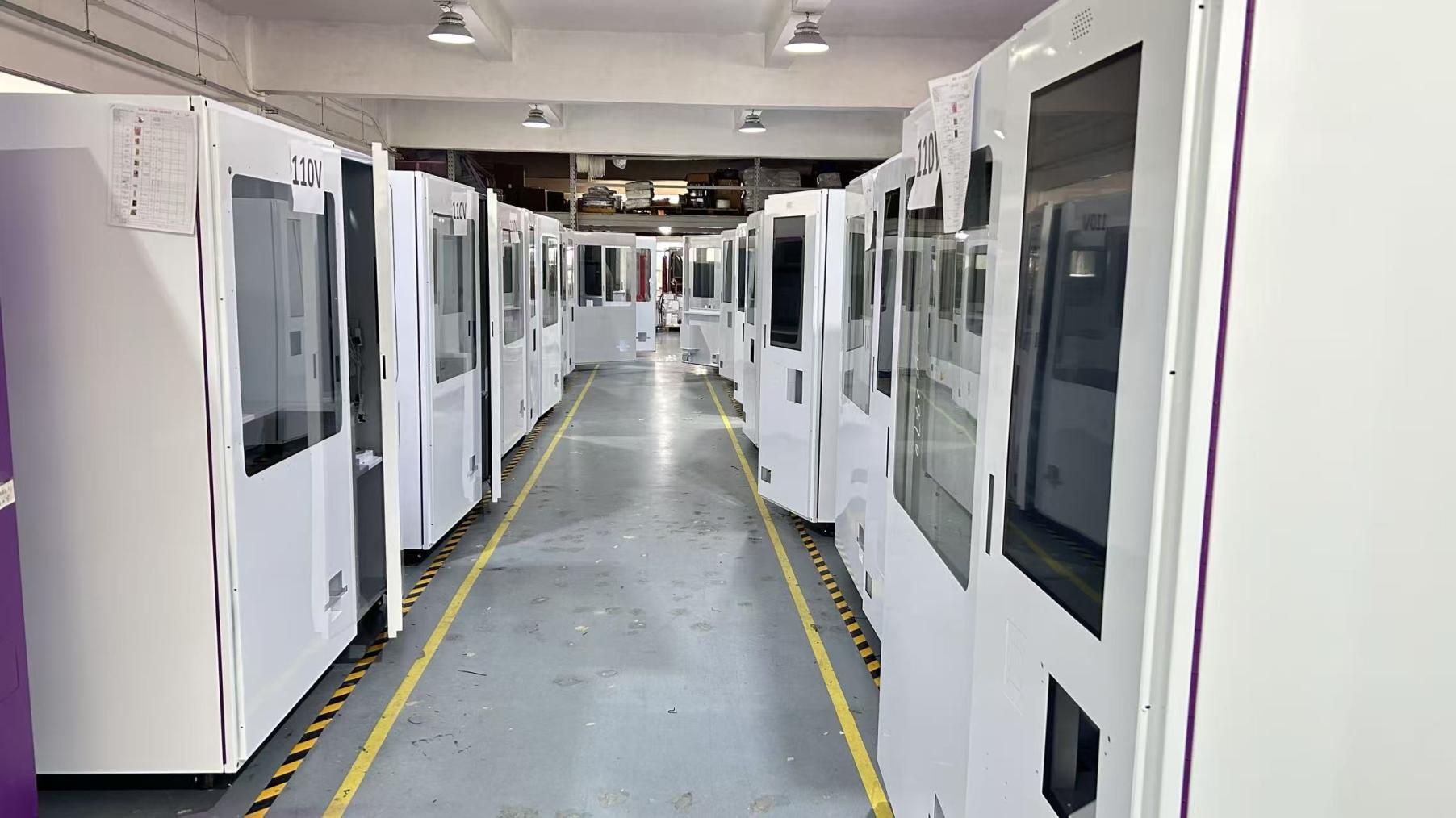
Established in 2015, our modern factory covers over 3,000 square meters of specialized production lines equipped with state-of-the-art refrigerant charging platforms, automated pressure testers, and environmental chamber testing rooms. We mandate a strict 100% inspection protocol where every dual-hopper unit undergoes a continuous 48-hour stress test at 40°C ambient simulation before dispatch.
Our engineering rigor is validated by world-recognized certifications including ISO 9001, CE, RoHS, CB, UL, PSE, KC, UKCA, and RCM. This broad spectrum of compliance makes us the premier supply partner for global multi-national QSR brands, vending system integrators, and independent importers throughout Southeast Asia and beyond.
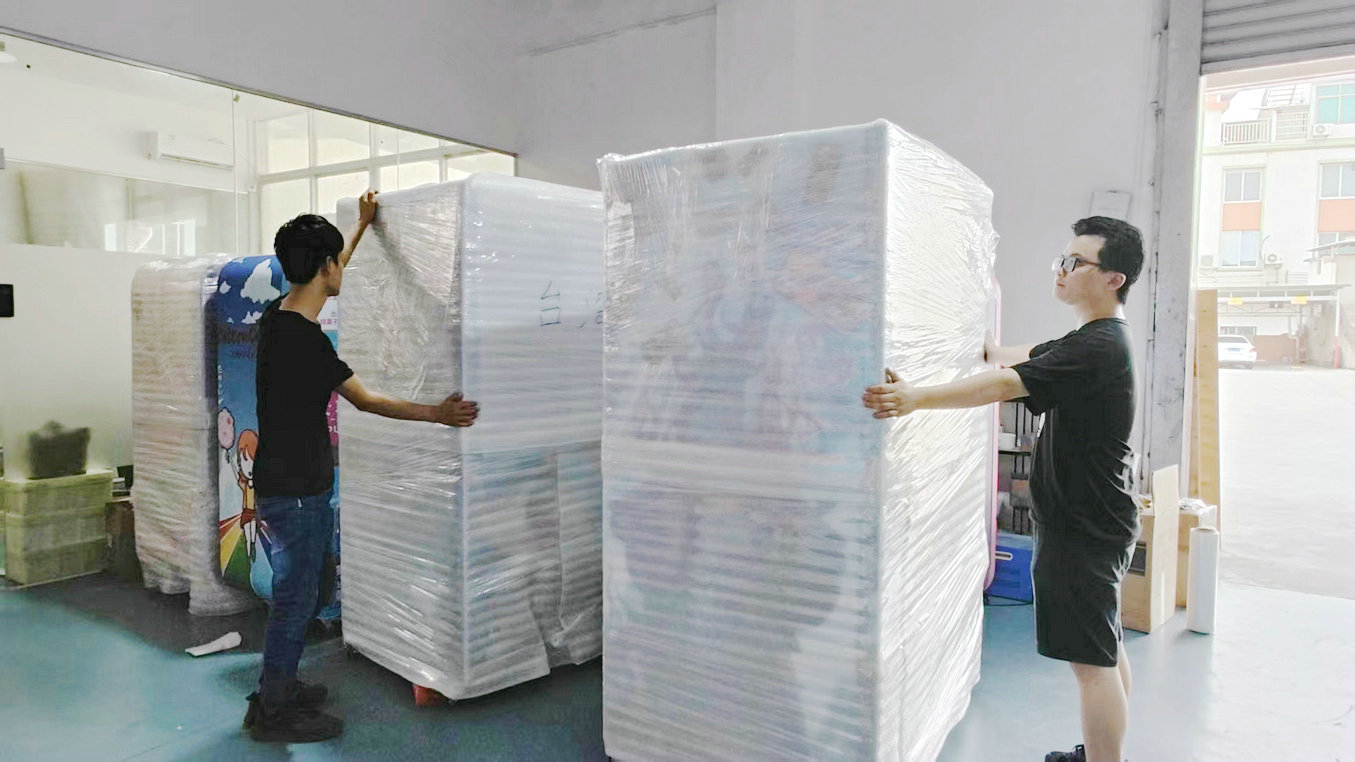
For Vietnamese buyers, our proximity to southern Chinese manufacturing hubs yields unmatched logistics advantages. From our factory floor, we offer rapid sea freight routes directly to Hai Phong Port (Northern Vietnam) and Cat Lai Port / Ho Chi Minh City (Southern Vietnam) with transit times typically ranging between 5 to 7 days, significantly lowering shipping overheads compared to Western alternatives.








To succeed in Vietnam's dynamic retail sector, unattended machinery must integrate seamlessly into the local mobile-first payment economy. Cashless transactions have surpassed 80% in urban retail locations. Our development team provides extensive Android and Linux SDK support, enabling system operators to connect their touchscreens directly with:
Additionally, electrical components are customized at the factory level to run on Vietnam's standard 220V AC / 50Hz single-phase power supply. We reinforce the electrical protection architecture with robust surge protectors to safeguard internal control motherboards and touch panels from typical municipal grid voltage fluctuations.
Recognizing that downtime means lost revenue, we extend comprehensive service agreements to Vietnam distributors and operators:
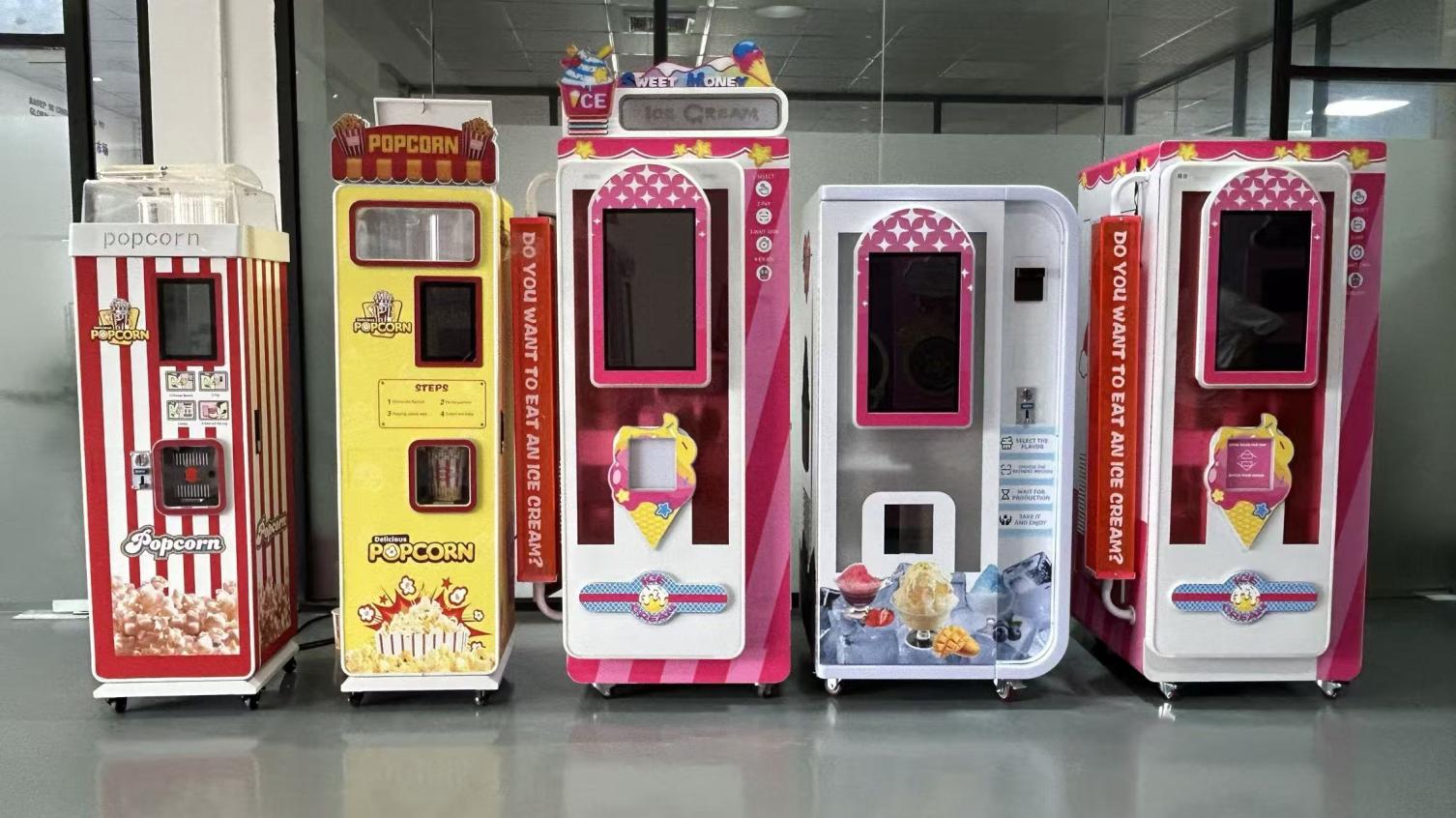
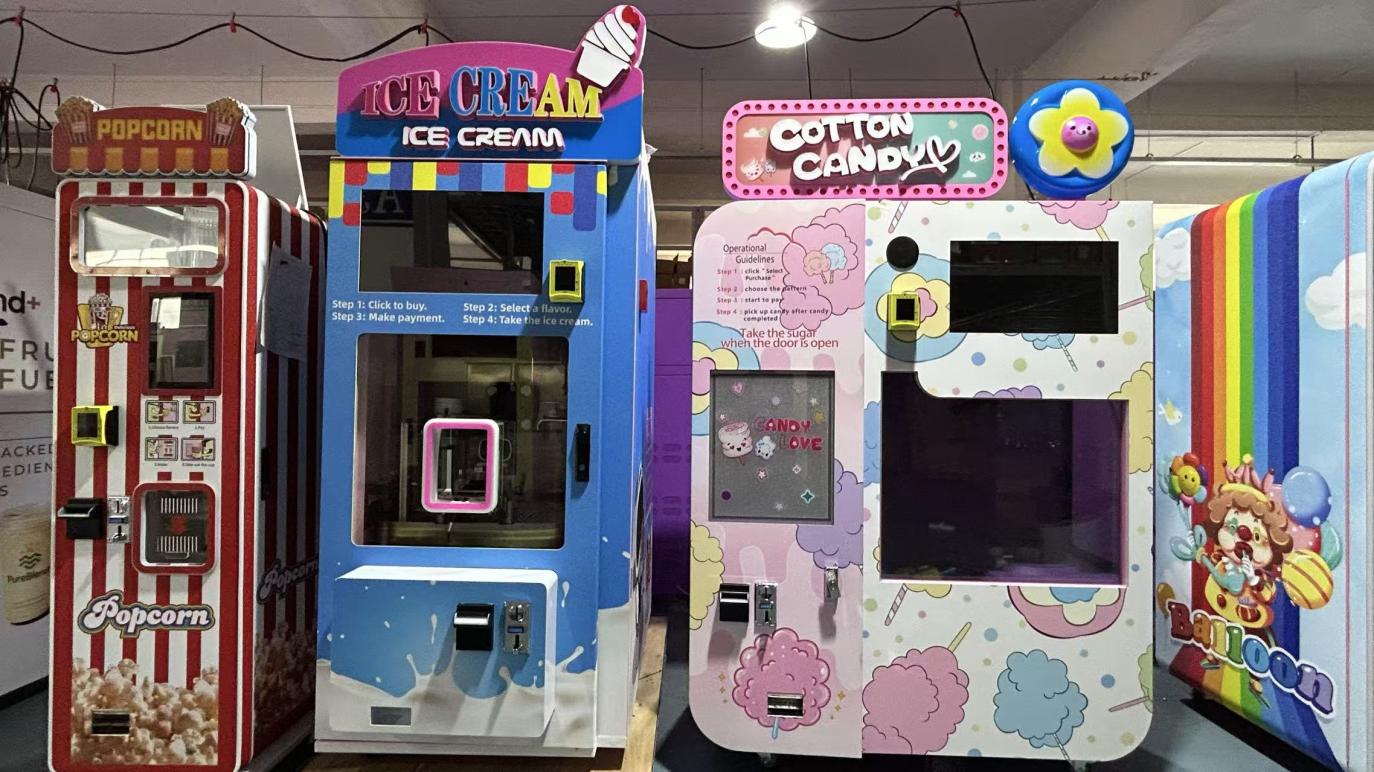
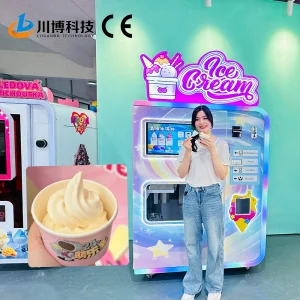
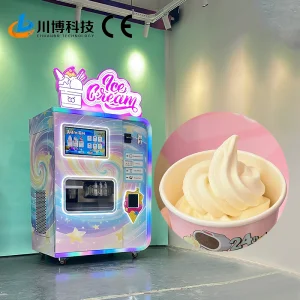
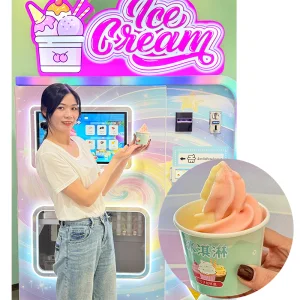
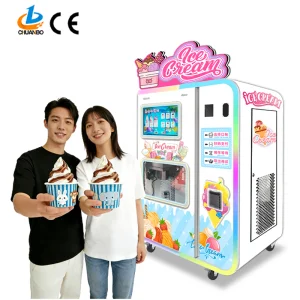
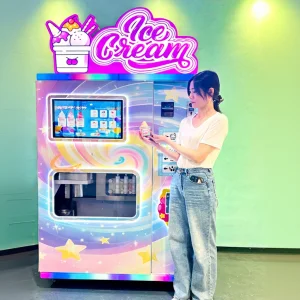
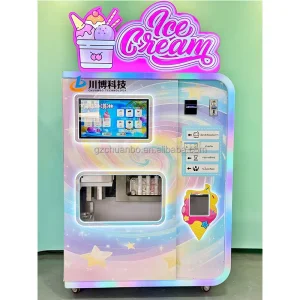
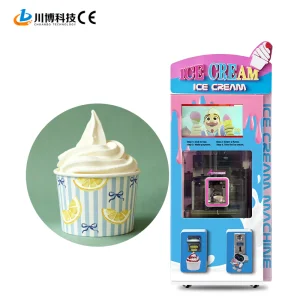
From space-saving floor models to fully enclosed automated robotic vending kiosks with interactive digital display interfaces.
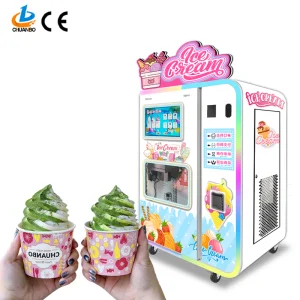
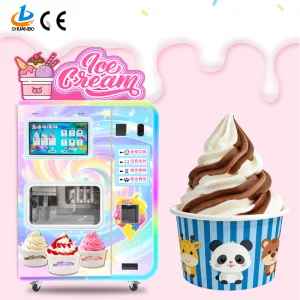
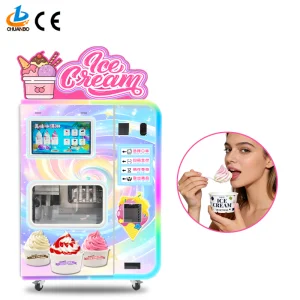
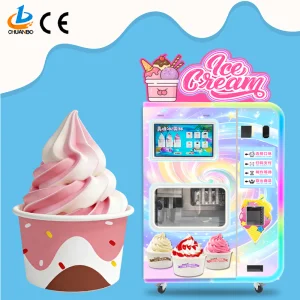
Technical FAQ addressing heat-load dissipation, raw mix sanitation, payment protocols, and maintenance schedules.
In high ambient temperatures (30°C to 38°C), a single compressor sharing power between two cylinders cannot sustain continuous freezing rates during high-demand hours. This results in soft, watery ice cream. A dedicated dual-hopper system utilizes isolated thermodynamic cycles, assuring each cylinder maintains its optimal pasteurizing and freezing temp independently. Moreover, if traffic is low, operators can shut down one hopper side to save up to 50% in electricity consumption.
All machines shipped to Vietnam are built with customized contactors, high-precision thermal overloads, and dynamic motherboard voltage-range buffers. This allows the machines to operate safely within 220V ± 10% ranges. For regions experiencing severe voltage fluctuations, we highly recommend integrating a dedicated 5KVA to 10KVA external automatic voltage stabilizer (AVS) to prevent compressor motor burnout.
Gravity-fed soft serve machines yield only a 10% to 20% overrun (the ratio of air whipped into the mix). Our pressurized gear pumps allow operators to adjust air injection from 40% to 80%. This not only creates a much lighter, creamier mouthfeel that consumers prefer, but it also reduces liquid mix usage per cup by up to 40%. A single 10L batch of raw mix can produce up to 130 cups of ice cream compared to just 90 cups on a gravity machine, dramatically accelerating the payback period.
Our Android-driven motherboard SDK supports full API integration with VNPay, Napas (VietQR), MoMo, and ZaloPay. Transactions are executed through secure HTTPS endpoints using AES-256 encryption. We provide the complete SDK package to local IT departments, allowing them to route payments directly to their own commercial bank accounts in Vietnam without third-party commission deductions.
Our commercial machines are equipped with an advanced overnight standby pre-cooling cycle that keeps the liquid mix in the hopper and freezing cylinder below 4°C. According to food safety guidelines, this system eliminates the need for daily teardown washes, allowing sanitizing cycles to be scheduled every 7 to 10 days. This saves hours of manual labor and cuts raw ingredient waste.