CN Soft Serve
CN Soft Serve
CN Soft Serve
Premium robotic vending terminals configured for high-traffic environments, retail complexes, and transit hubs across Tokyo, Osaka, and Kyoto.
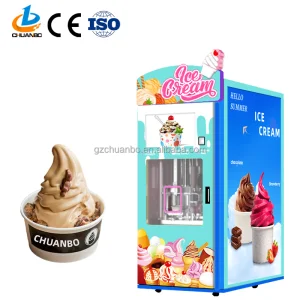
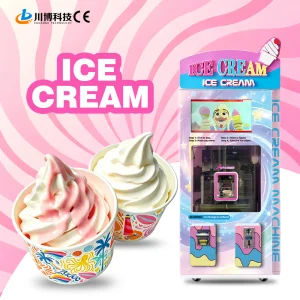
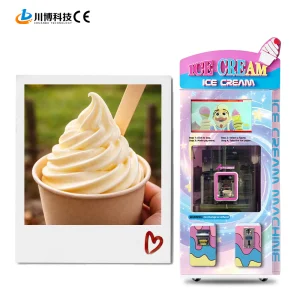
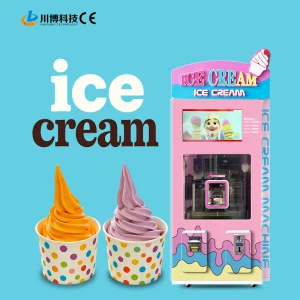
An authoritative look at the microeconomic drivers, technological paradigms, and localized challenges in the Japanese and global automated dessert markets.
Japan stands at the global forefront of automated retail infrastructure. With over 4 million vending machines nationwide, the country’s high population density, urbanized mass transit networks, and acute labor shortages make autonomous commercial cabinets a structural necessity rather than a novelty. In the commercial foodservice sector, finding qualified staff to operate traditional soft serve machines is increasingly difficult and costly.
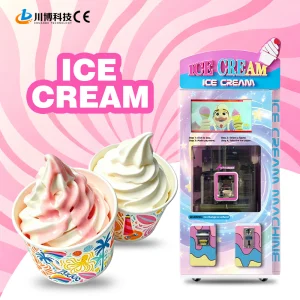
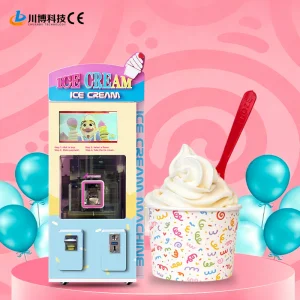
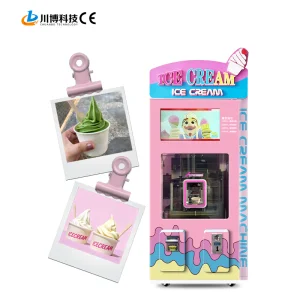
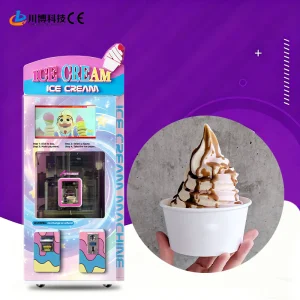
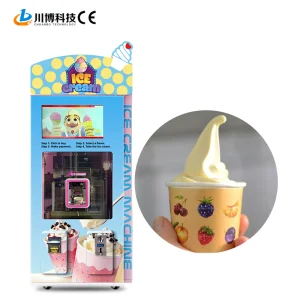
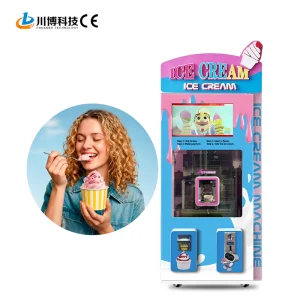
Cabinet-style automated soft serve machines resolve this demographic bottleneck by eliminating the need for dedicated counter staff. By transitioning the entire process—from payment processing and cup dispensing to precise product extrusion and topping delivery—to a fully enclosed, sterile cabinet, operators can achieve high-volume dessert sales with near-zero labor costs. The system acts as a micro-restaurant module capable of continuous operation in high-footfall Japanese settings, including Shinkansen platforms, shopping malls (Chiku), and amusement parks in Kanto and Kansai.
On a global scale, the commercial ice cream machine market is experiencing a profound transition toward smart, hygienic, and connected appliances. Traditional counter-top units are giving way to fully enclosed cabinets. The driving forces behind this are twofold: stringent hygiene compliance (HACCP) and the rise of IoT-driven facility management. In North America and Europe, operators demand real-time data transparency concerning pasteurization cycles, hopper temperatures, and ingredient levels to optimize their supply chains.
The transition to eco-friendly refrigerants is another global imperative. Regulatory frameworks like the EU F-gas regulations and similar EPA mandates in the United States have forced manufacturers to migrate from HFCs to low Global Warming Potential (GWP) hydrocarbons such as R290 and R448A. As a leading manufacturer, we align our global supply chain with these strict environmental targets, ensuring our equipment remains future-proof and fully compliant.
Developing a cabinet-style ice cream machine for the Japanese market requires strict engineering precision. Our technical roadmap focuses on three core pillars:
To meet Japan's rigorous public health laws, our machines utilize an automated pasteurization loop. The system heats the dairy mix to 65°C for 30 minutes, eliminating pathogens without degrading product quality. This extends the manual disassemble-and-clean cycle up to 14 days, reducing maintenance overhead.
Standard coin mechanisms are insufficient for Japan's cashless society. Our cabinet systems feature open SDK integrations compatible with local payment gateways: Suica, Pasmo, PayPay, Line Pay, and standard credit/debit networks. This guarantees seamless transaction flows and localized user experiences.
Utilizing high-torque servo motors and photo-electric sensors, the robotic mechanism dispenses a perfect swirl every time. The cabinet maintains a sterile, dust-free positive-pressure internal environment, shielding ingredients from external contaminants.
Our manufacturing plant is systematically certified to meet international and local market standards. For Japanese deployments, our machines are built in conformity with the Electrical Appliance and Material Safety Act (PSE Certification). Additionally, we maintain compliance with ISO 9001 for quality management, CE for the European economic zone, RoHS for hazard-free material fabrication, and UL / CB certifications for safety testing.
Explore our structural capabilities, compliance portfolios, and export credentials verified by international standardization bodies.
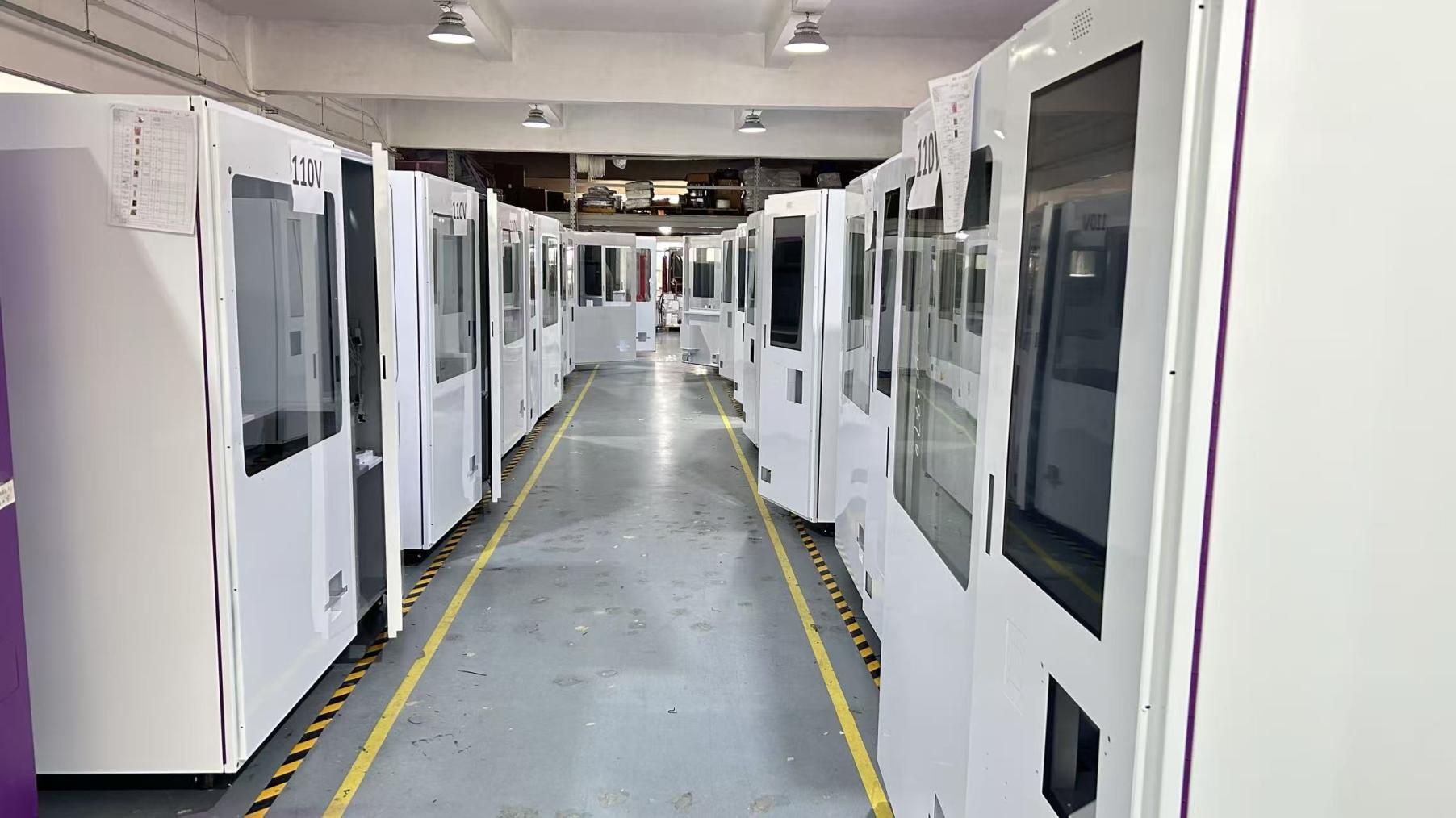
Established in 2015, we operate a 3,000 square meter state-of-the-art facility dedicated to research, development, and high-precision manufacturing of smart commercial cooling systems. With 11 years of international export experience, we serve brand businesses, retailers, engineering firms, wholesalers, and private developers globally. Our production lines feature 100% component inspection to guarantee long-term operational reliability in demanding retail locations.
Our equipment meets high global regulatory safety and efficiency benchmarks, ensuring seamless import and operation in Japan and international markets.
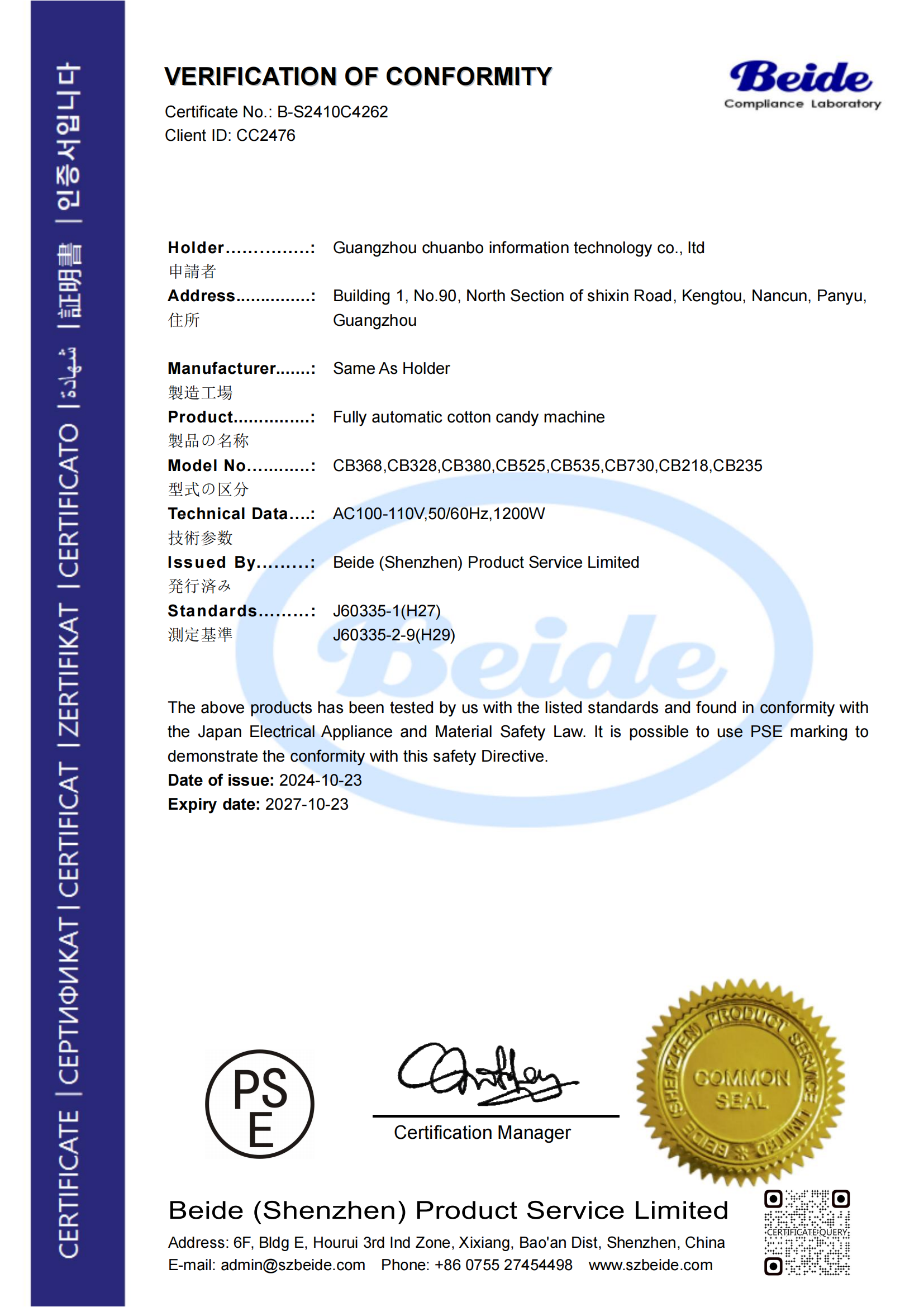 PSE
B-S2410C4262
PSE
B-S2410C4262
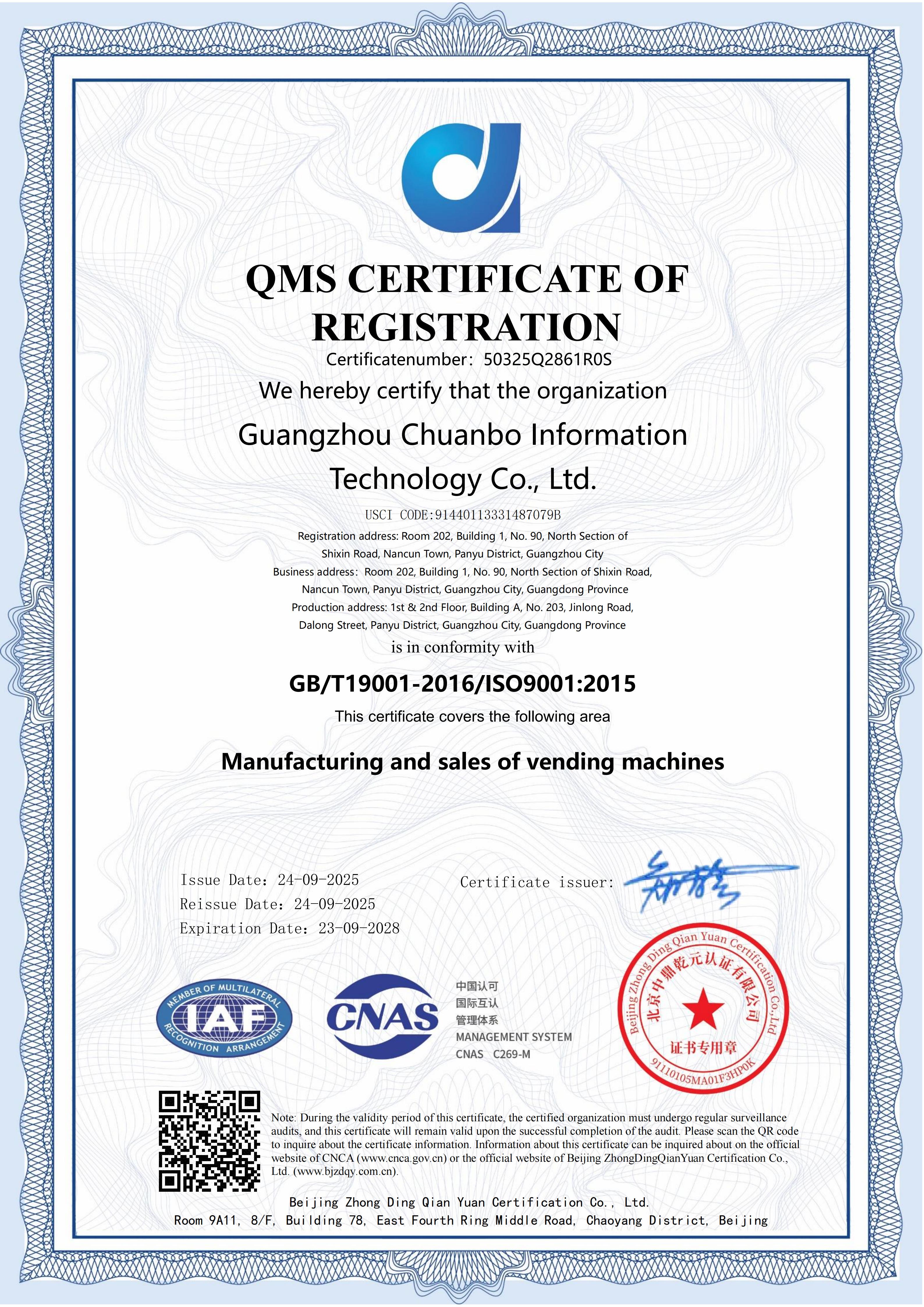 ISO 9001
50325Q2861R0S
ISO 9001
50325Q2861R0S
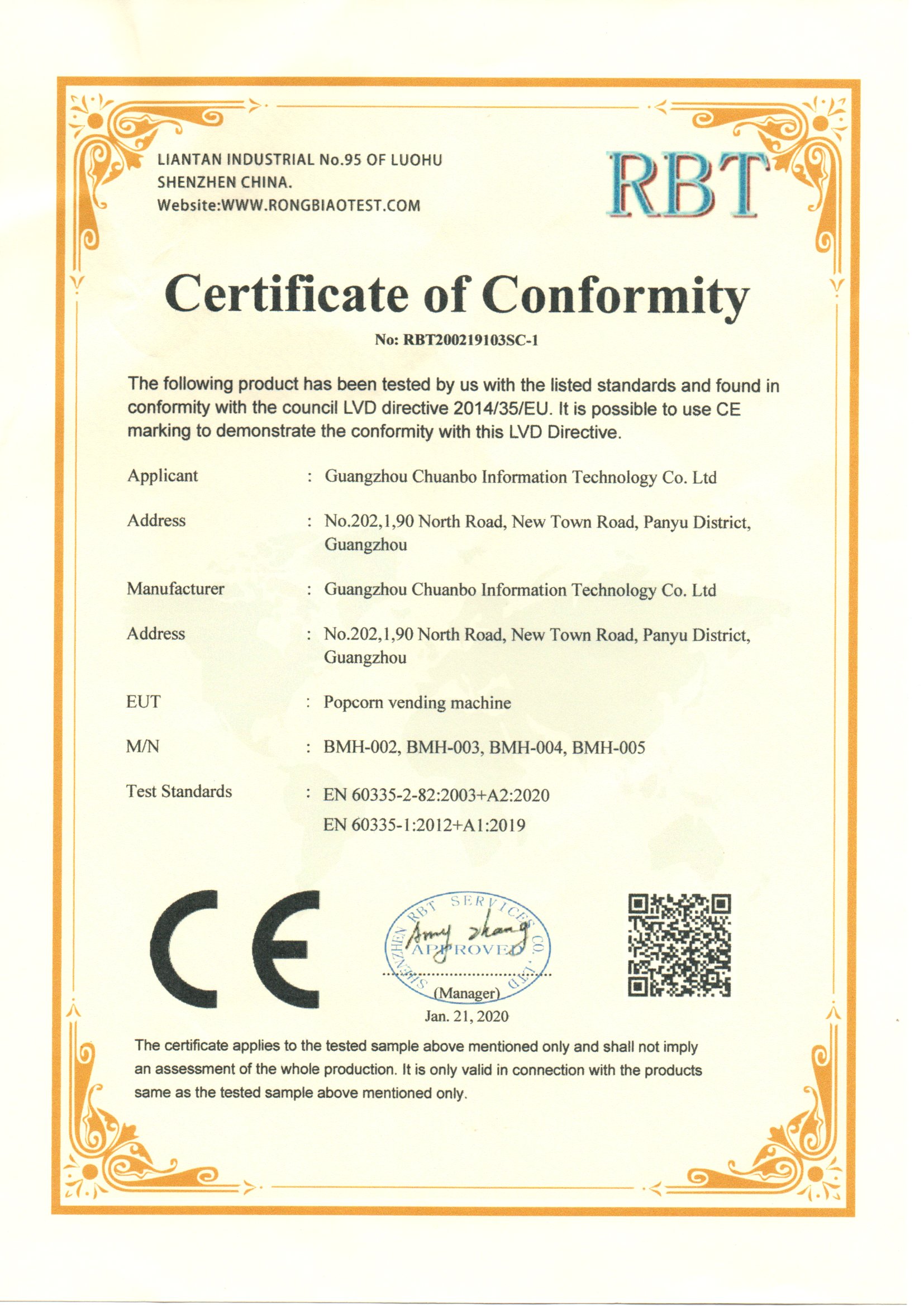 CE
RBT200219103SC-1
CE
RBT200219103SC-1
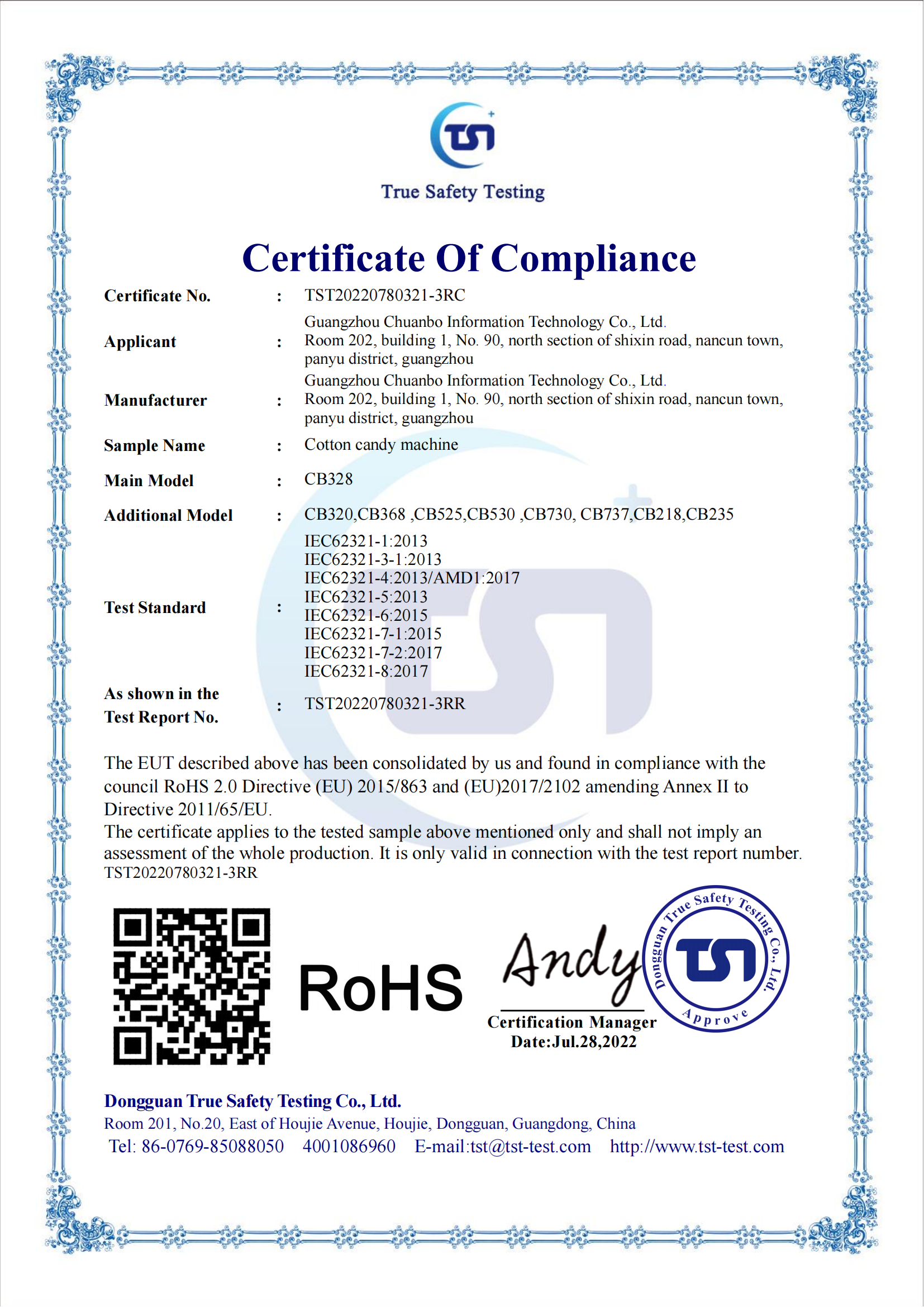 RoHS
TST20220780021-3RC
RoHS
TST20220780021-3RC
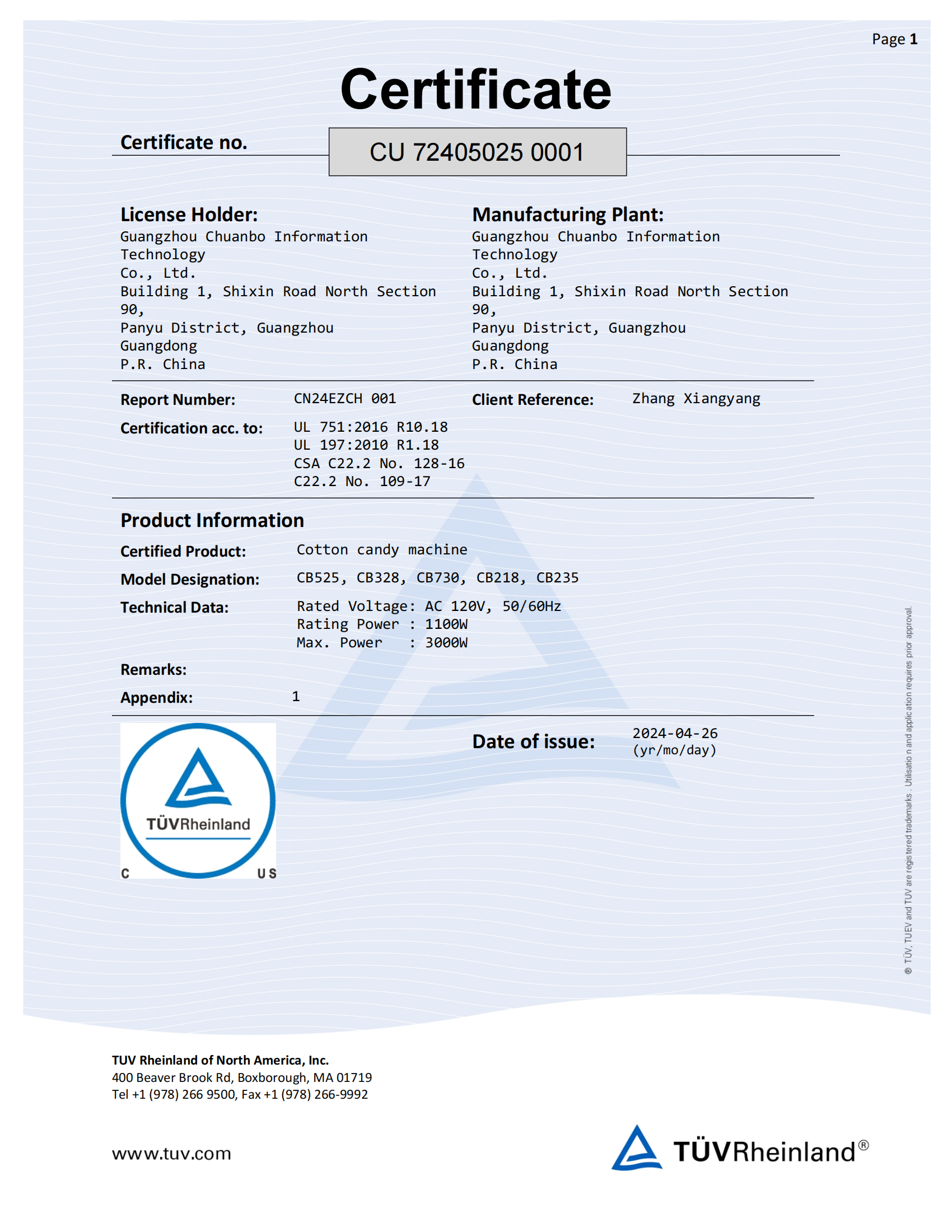 UL
72405025 0001
UL
72405025 0001
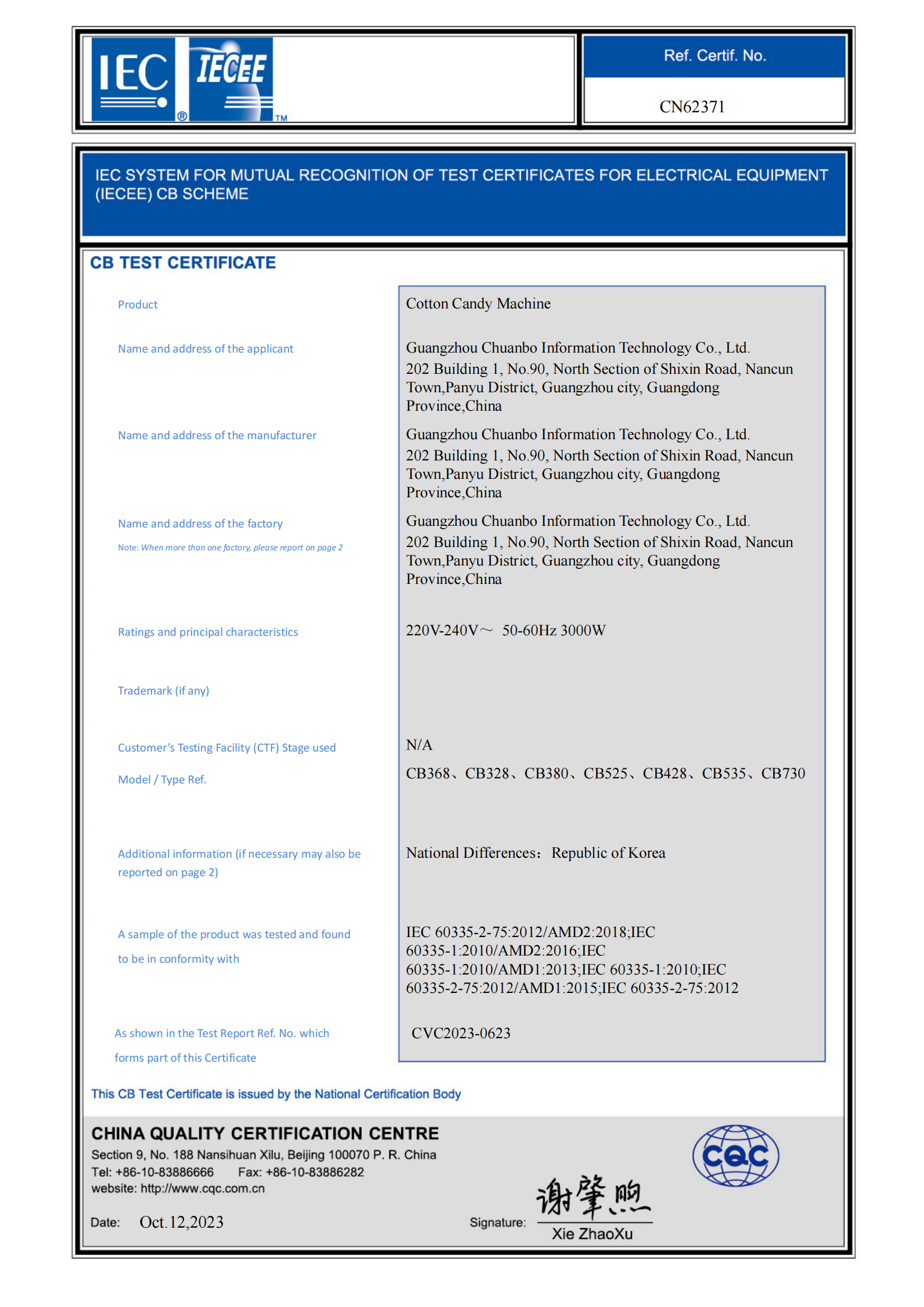 CB
CN62371
CB
CN62371
Our state-of-the-art production facility utilizes high-precision CNC punching, laser welding, and automated foam insulation technologies. Every cabinet-style soft-serve machine undergoes rigorous environmental chamber testing. Here, we simulate diverse climate profiles to ensure reliable refrigeration and consistent ice cream texture in various settings.
We design our products for serviceability. The internal configuration features modular structural layouts. This allows operators to easily access refrigeration lines, product hoppers, water pumps, and payment control boxes for fast, simple maintenance.
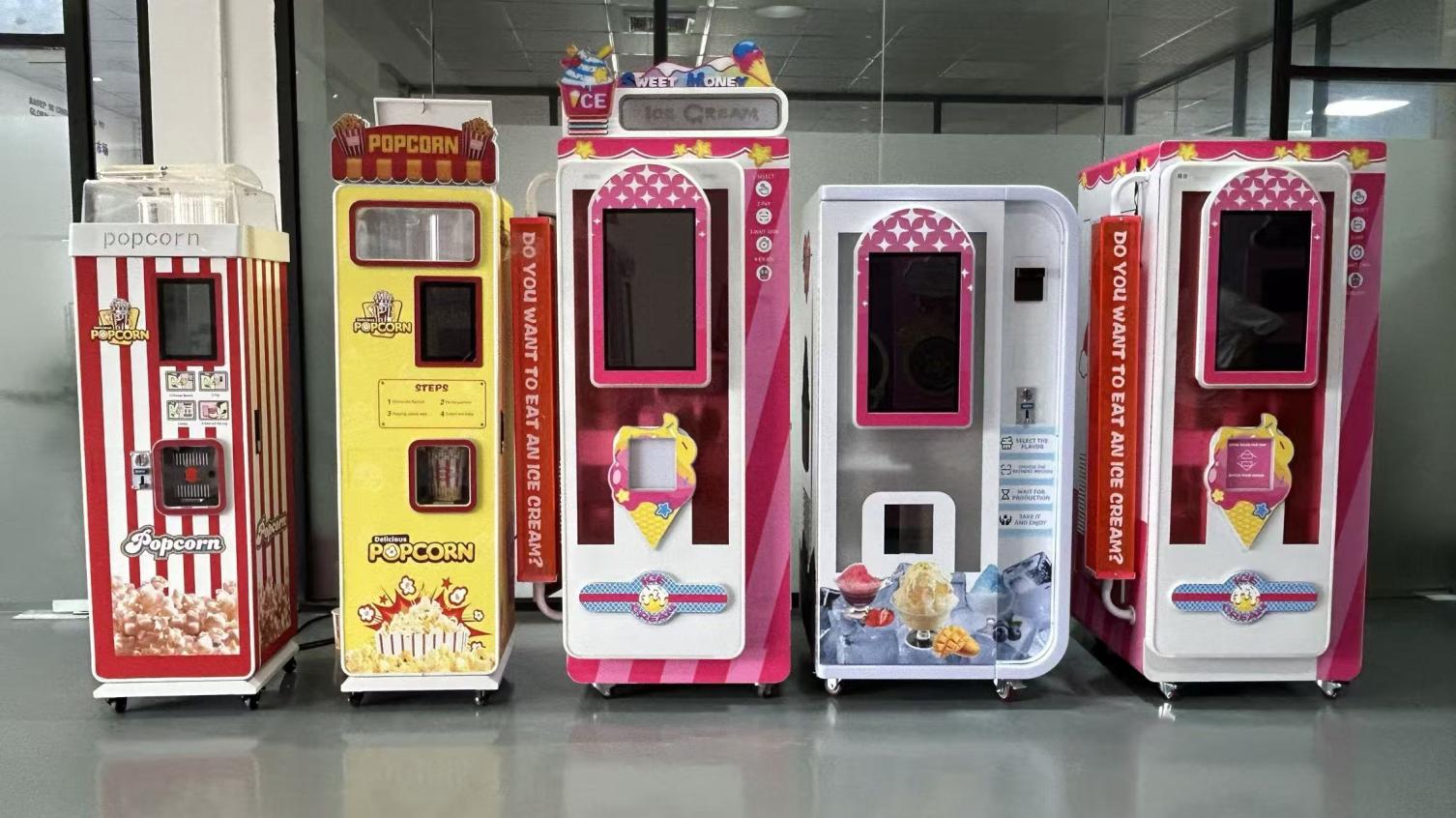
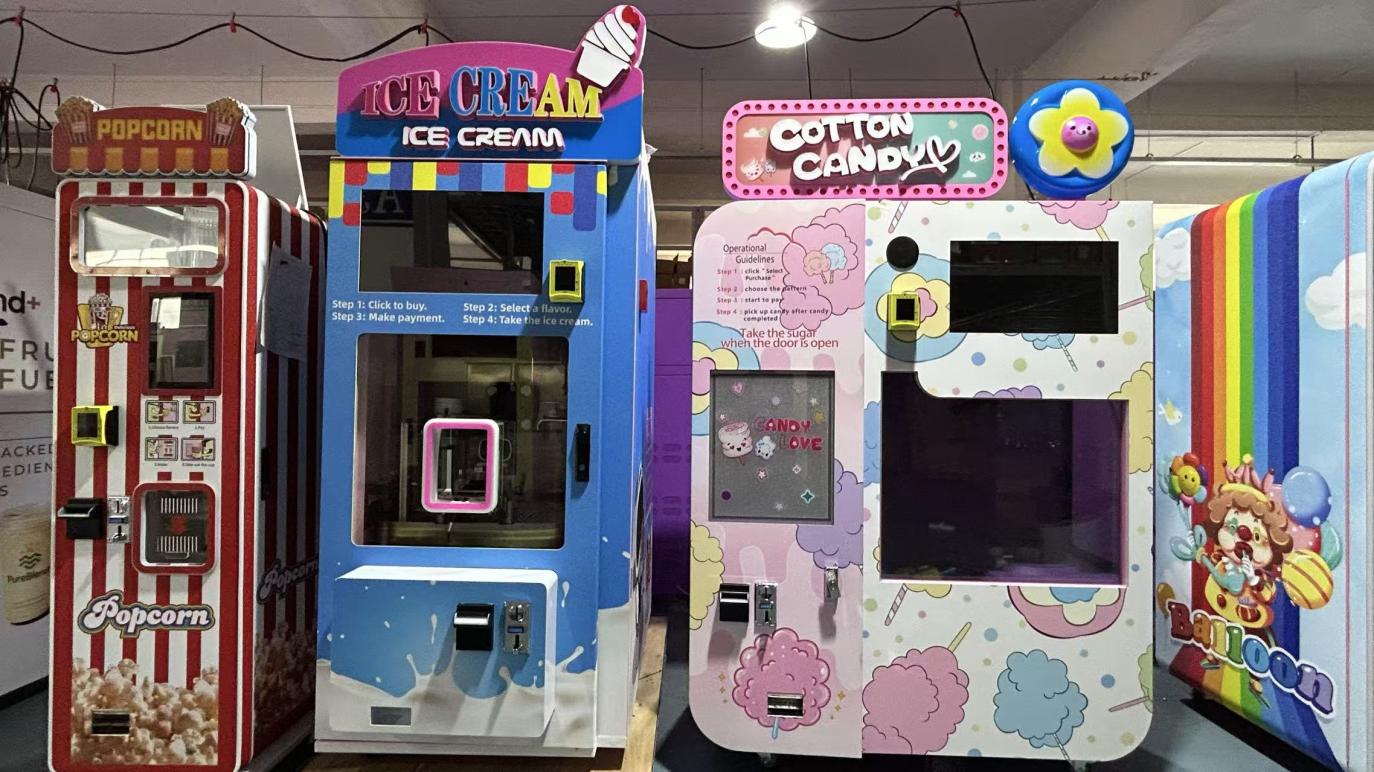
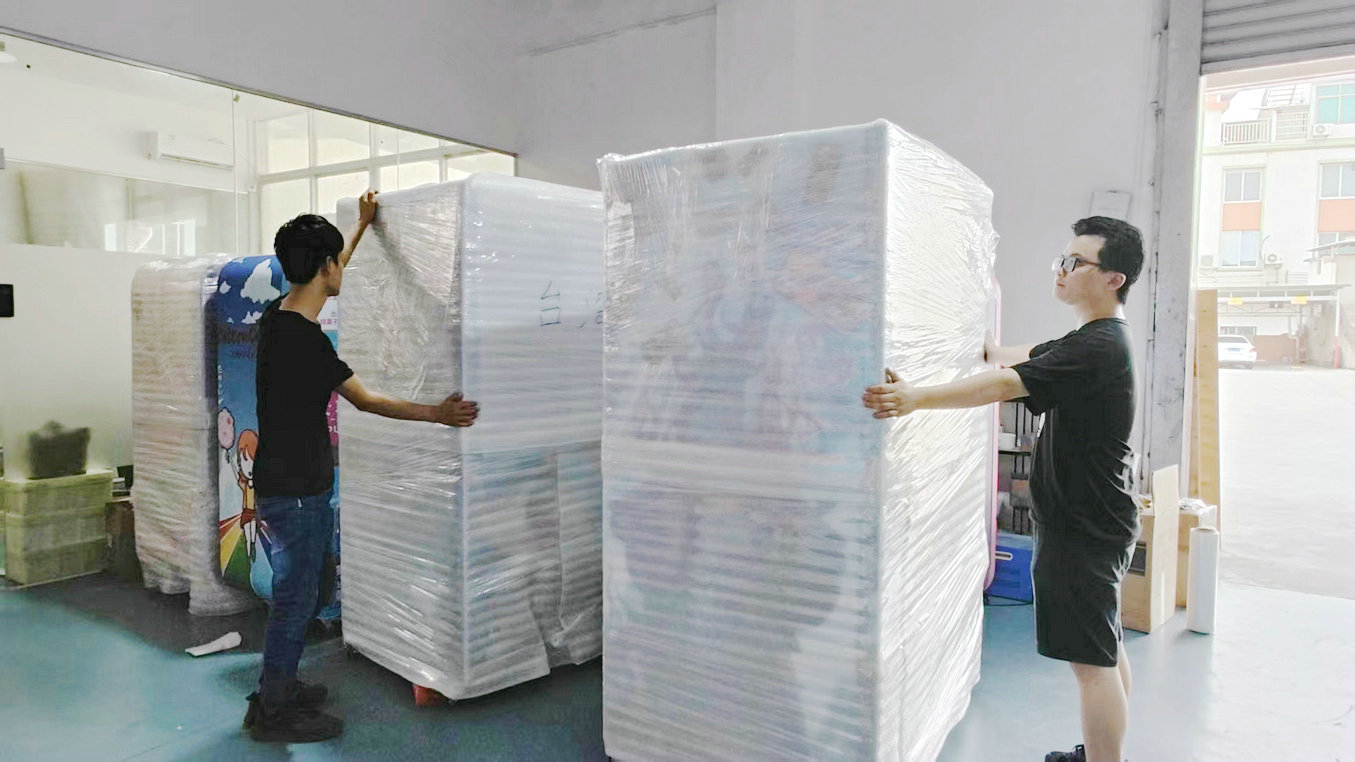
Quality control is integrated into every stage of production. From testing raw stainless steel structures to analyzing compressor efficiency under maximum load, our QA/QC inspectors examine every machine. This rigorous testing minimizes downtime and maintains strict hygiene standards for food-contact machinery.
By utilizing high-grade compressors like Embraco or Tecumseh, our cabinets maintain stable freezing temperatures. This ensures excellent overrun and smooth texture, even during continuous dispensing cycles in high-volume settings.
Premium self-service models designed for reliability, high ROI, and seamless payment integration.
Our state-of-the-art facilities ensure high performance and strict hygiene compliance for every unit.
Essential information regarding electrical configurations, hygiene compliance, and remote telemetry for deployments in Japan.