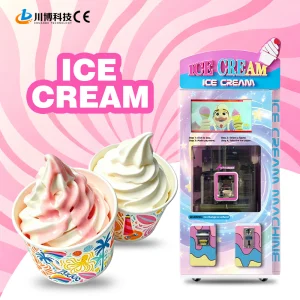
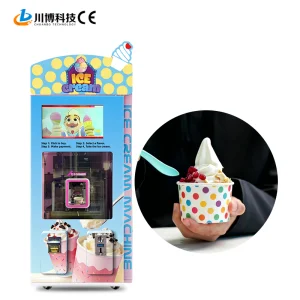
CN Soft Serve
CN Soft Serve
CN Soft Serve
Engineered for immediate high-density retail deployment in the Philippines' key metro areas.
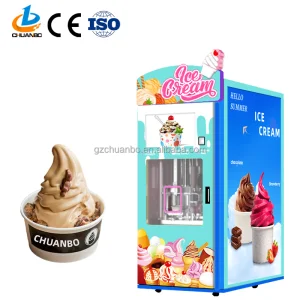
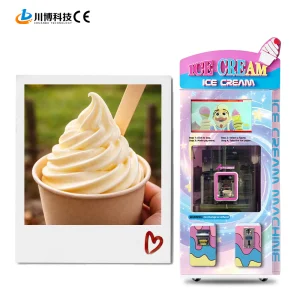
Navigating demographic growth, tropical microclimates, and payment gateway transformations.
The food service sector in the Philippines is undergoing a monumental transition driven by urbanization, a young population demographic, and high discretionary spending on snack products. As a country defined by high ambient temperatures and humidity, the demand for cold desserts like soft-serve ice cream remains exceptionally strong year-round. Traditionally, this demand was met by conventional QSRs (Quick Service Restaurants) and convenience stores. However, high real estate costs in Metro Manila, Metro Cebu, and Davao have pushed operators toward unattended, micro-retail formats.
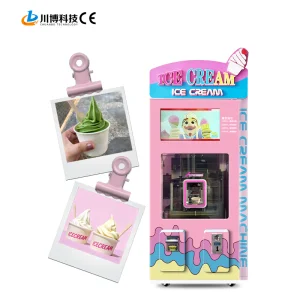
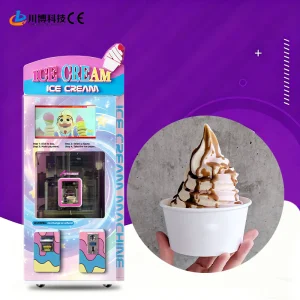
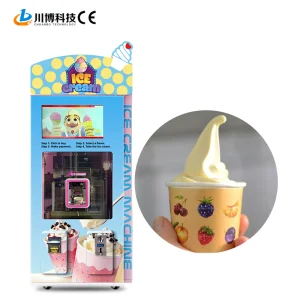
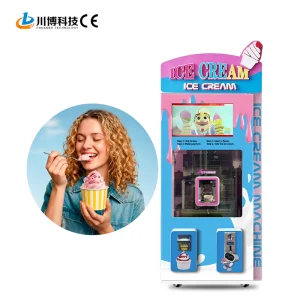
Cabinet-style ice cream vending machines offer the perfect solution. By occupying less than 1.5 square meters of floor space, they allow entrepreneurs and franchise networks to deploy high-margin soft-serve systems in premium, high-traffic corridors—such as SM Supermalls, Ayala Malls, LRT/MRT transit hubs, and BPO (Business Process Outsourcing) campuses—without the burden of traditional restaurant overheads.
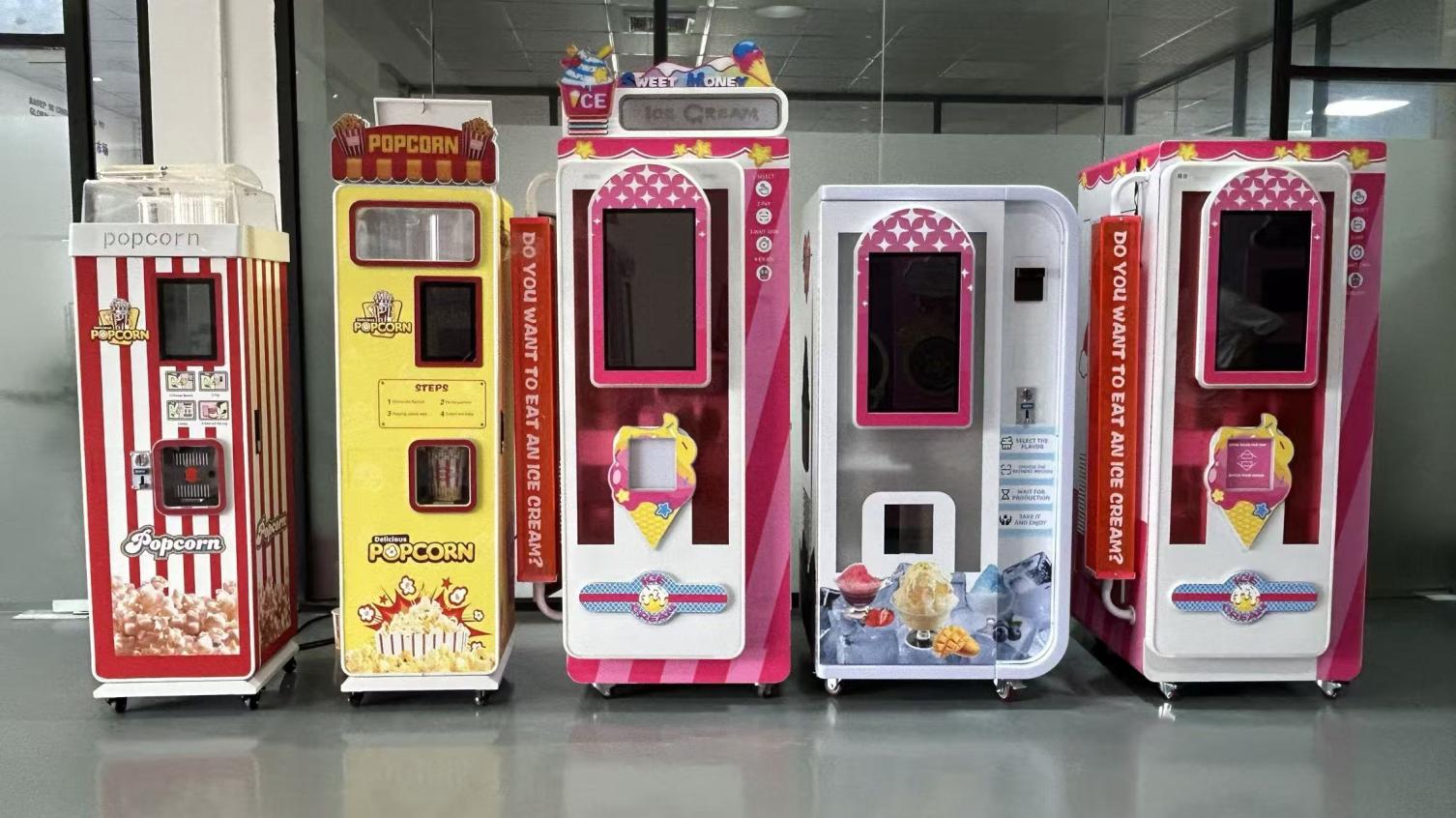
How our integrated factory ecosystem delivers unmatched performance and global logistics advantages.
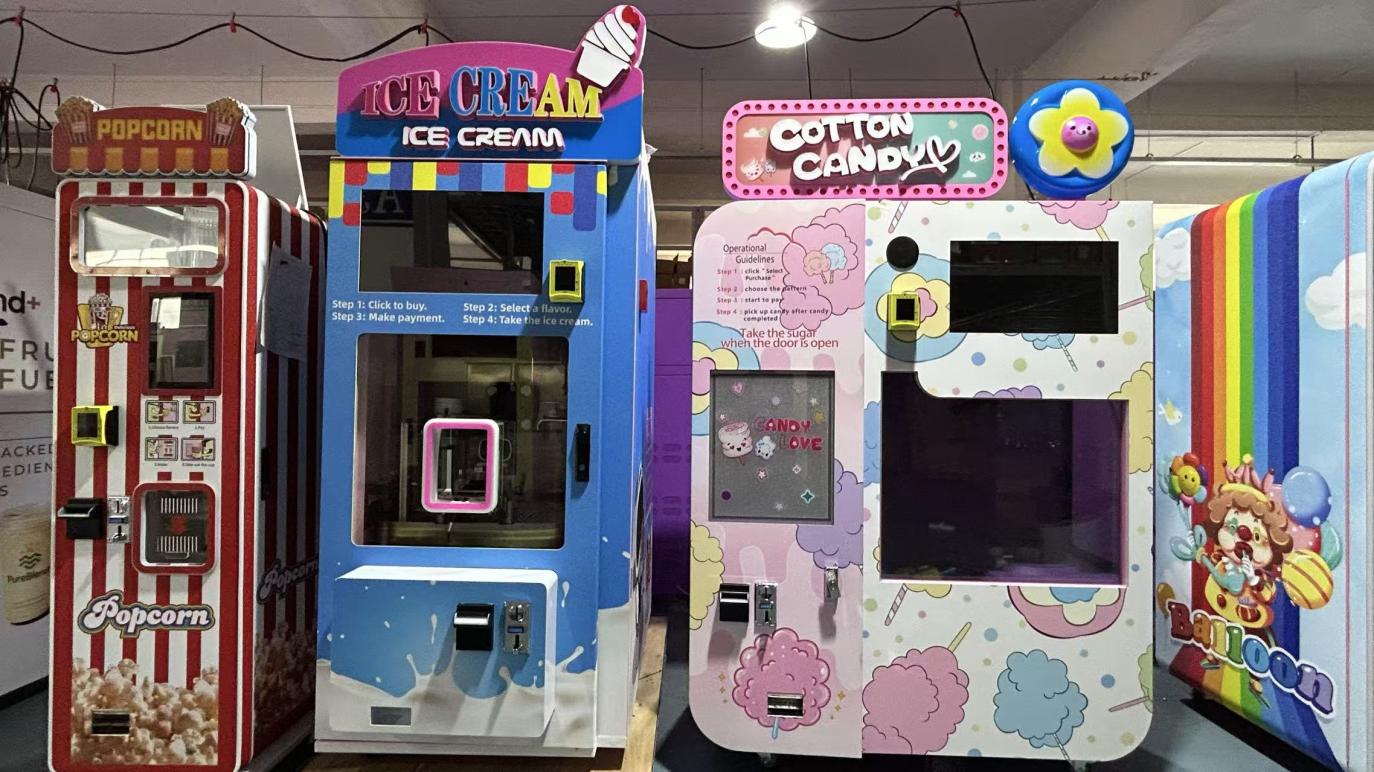
Sourcing cabinet-style ice cream machines from a certified China Industry 4.0 factory ensures a blend of competitive pricing, advanced engineering, and robust supply chain resilience. Our facility in China leverages precision robotics, automated sheet metal CNC punching, and polyurethane high-density foaming fixtures to guarantee structural integrity, long-term refrigeration efficiency, and zero cold-bridge effects.
With 11 years of international export experience and 30 integrated supply chain partners, we ensure that every machine is built to handle the mechanical stresses of continuous operation. Our quality control protocol includes a full 72-hour simulated load test in climate-controlled test chambers before packaging, ensuring plug-and-play reliability upon arrival at Philippine ports.
Understanding the engineering variables that ensure uptime, efficiency, and compliance.
One of the most critical aspects of importing machinery to the Philippines is adapting to local infrastructural challenges. The Philippines uses a 220V 60Hz single-phase electrical supply, unlike China's and Europe's standard 220V 50Hz. Operating a 50Hz compressor on a 60Hz grid leads to overheating, high power consumption, and premature motor failure. Our factory customizes the motor winding and compressor profiles specifically for 60Hz operations to ensure long term warranty protection and optimized COP (Coefficient of Performance).
| Feature Spec | Standard Cabinet Configuration | Philippines Adaptation Specs |
|---|---|---|
| Voltage & Frequency | 220V / 50Hz Single Phase | 220V / 60Hz Custom Compressor (Optimized) |
| Compressor Type | Hermetic Rotary / Scroll | Embraco/Secop Tropicalized Compressor (R404a / R290) |
| Pre-cooling & Pasteurization | Independent Hopper Cooling | Night mode preservation & pasteurization cycles |
| Payment Integration | MDB Bill Acceptor & Coins | SDK Multi-payment (GCash, PayMaya, coins, bills) |
| IoT Telemetry | 4G Cloud Remote Monitoring | Dual-band Wi-Fi/4G LTE with remote cylinder alarm |
Where automated cabinet ice cream systems thrive and maximize return on investment.
24/7 unattended deployment inside Metro Manila IT parks catering to night-shift BPO employees seeking convenient cold desserts.
Interactive touchscreens positioned near food courts, entertainment zones, and ice-skating rinks with high footfalls.
Quick dispensing models placed in LRT/MRT stations, helping commuters purchase cold treats in under 15 seconds.
Rust-resistant SS304 cabinet machines deployed in Boracay and Cebu resorts, handling humid and saline breezes.
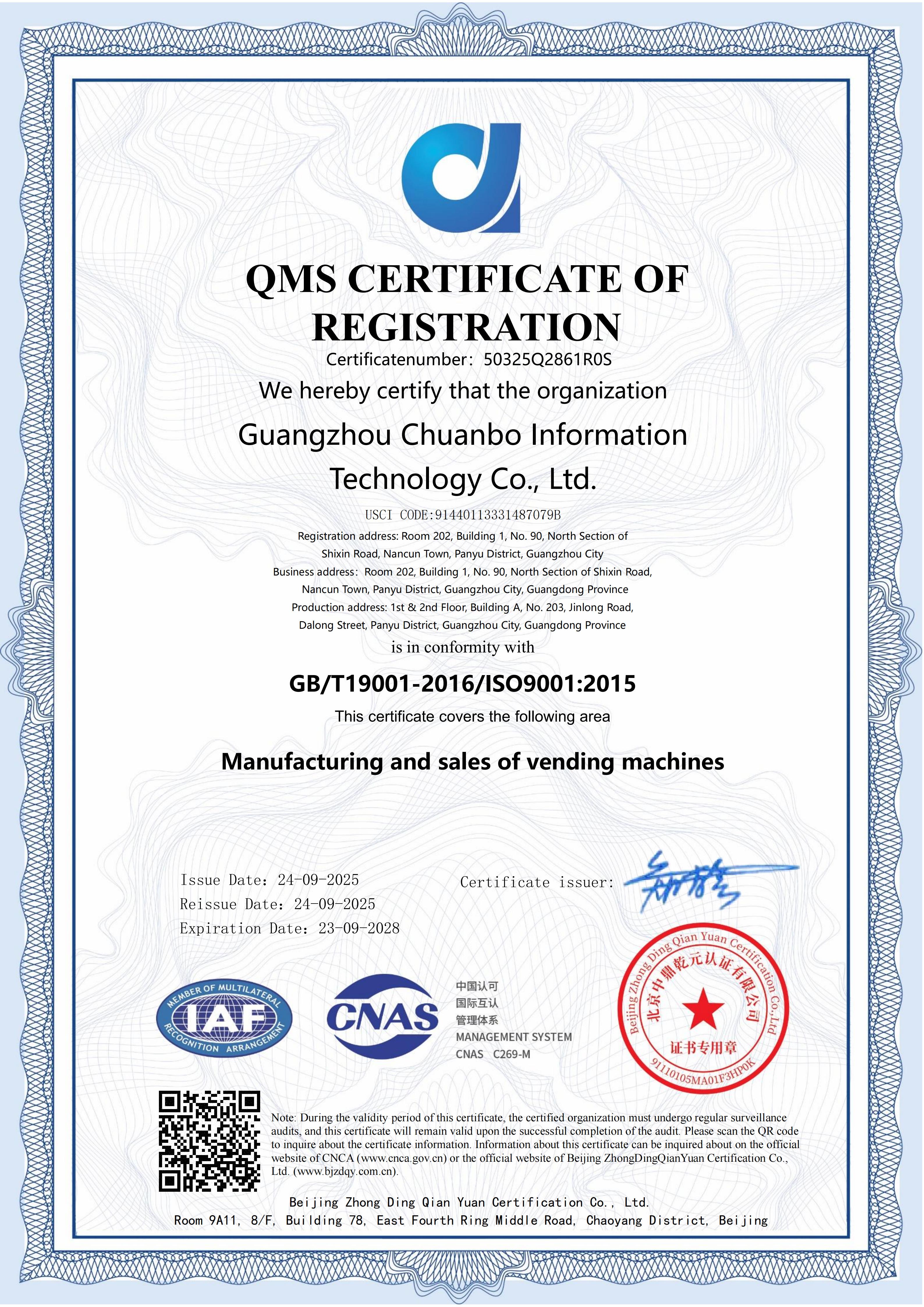
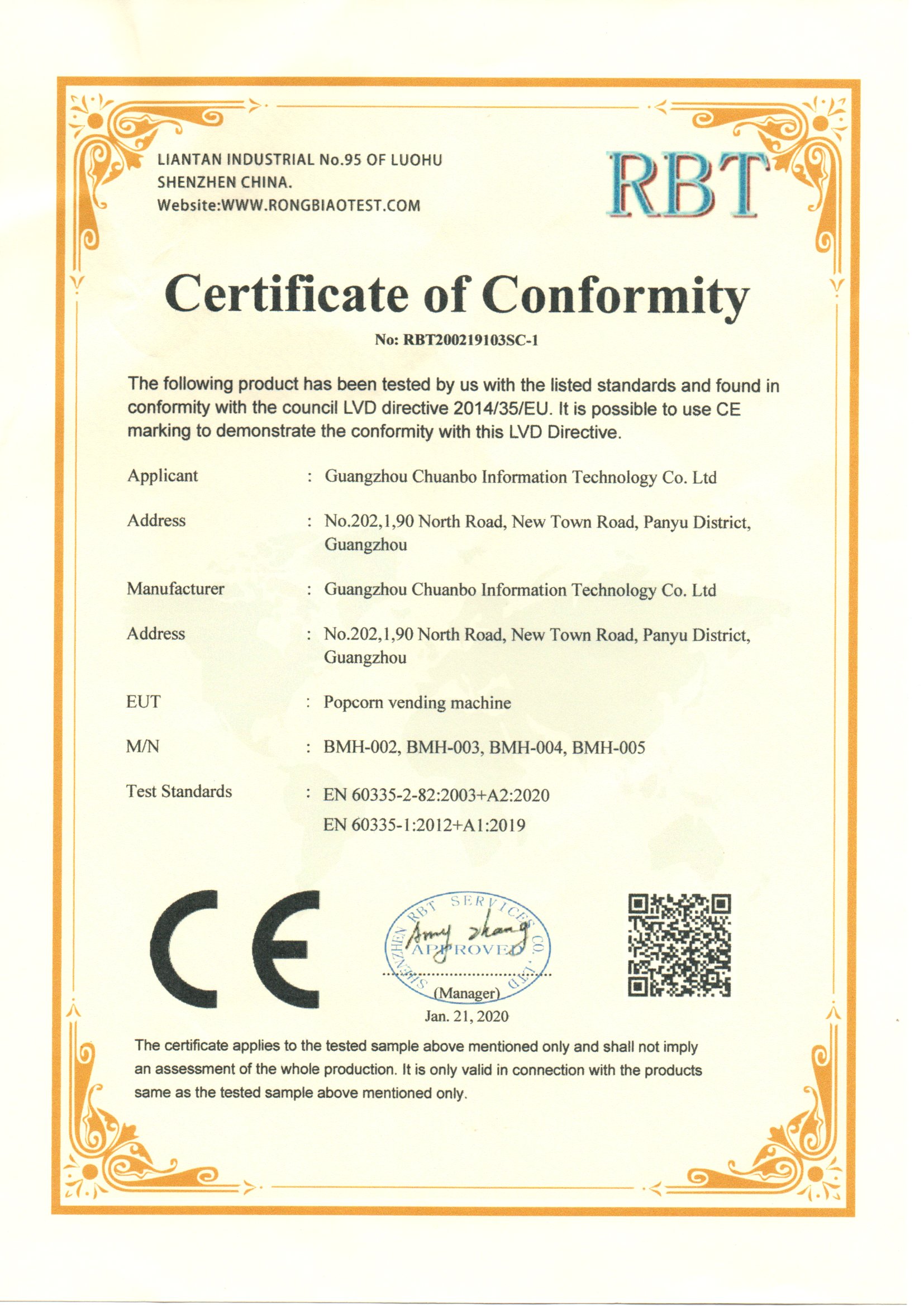
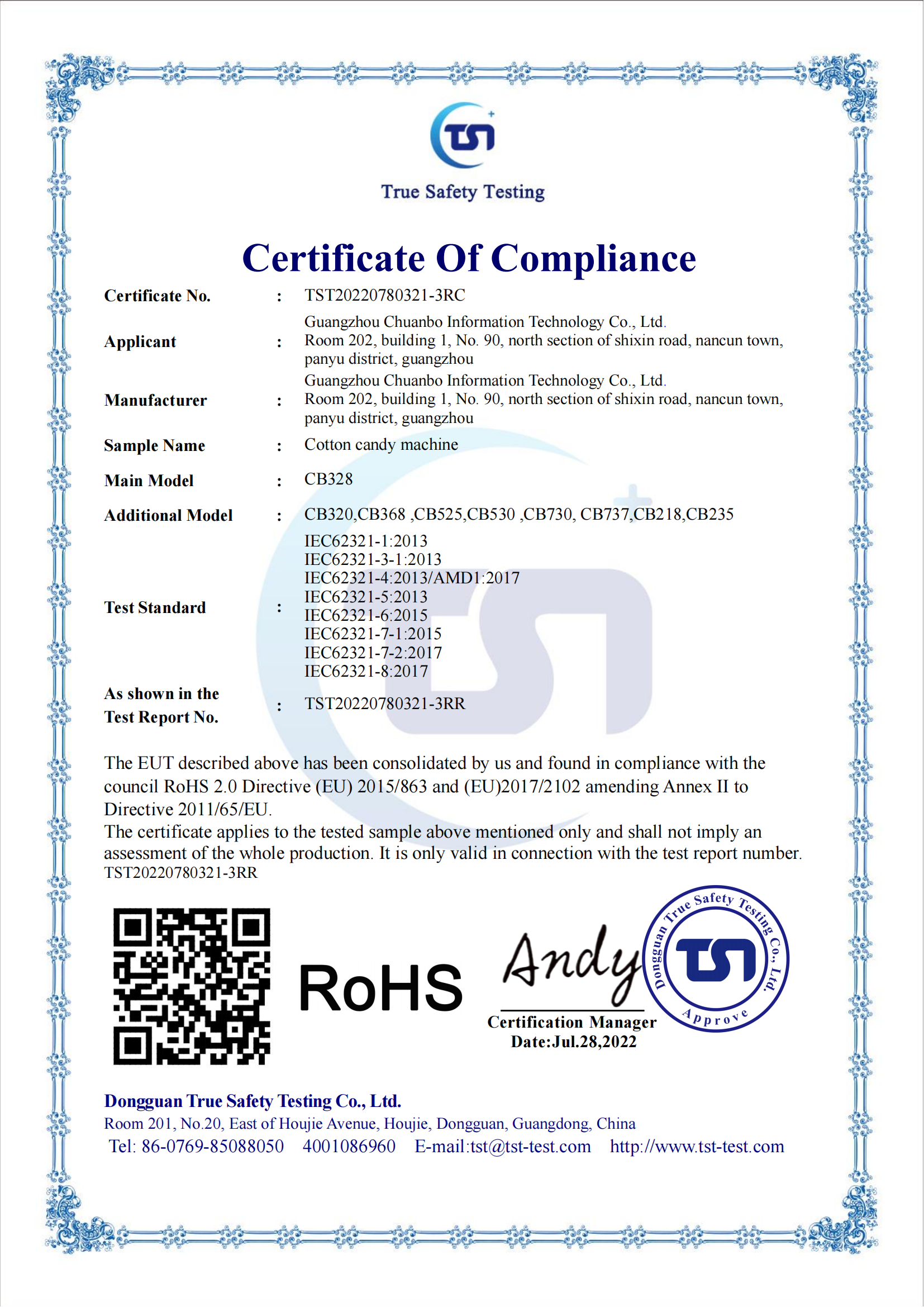
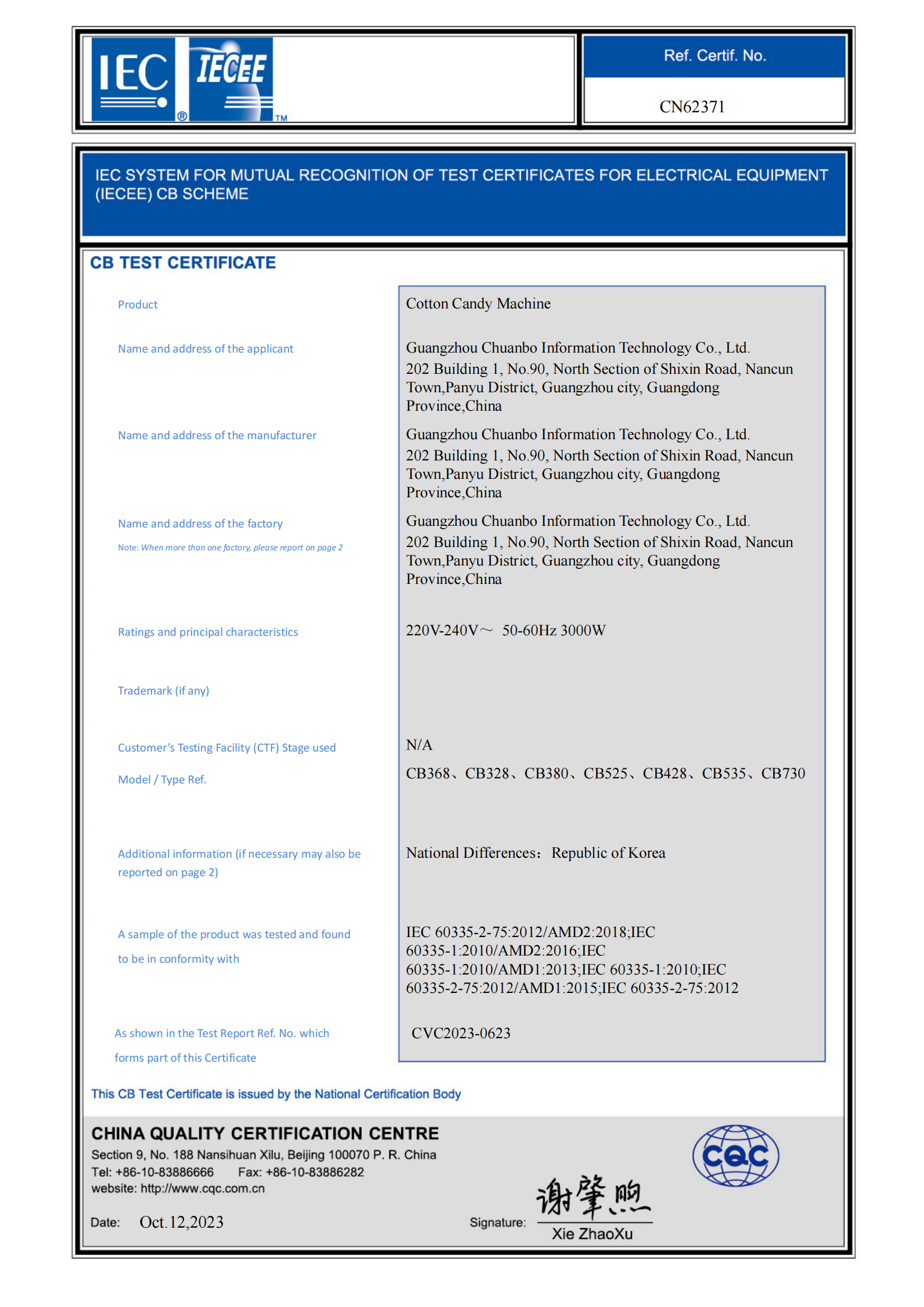
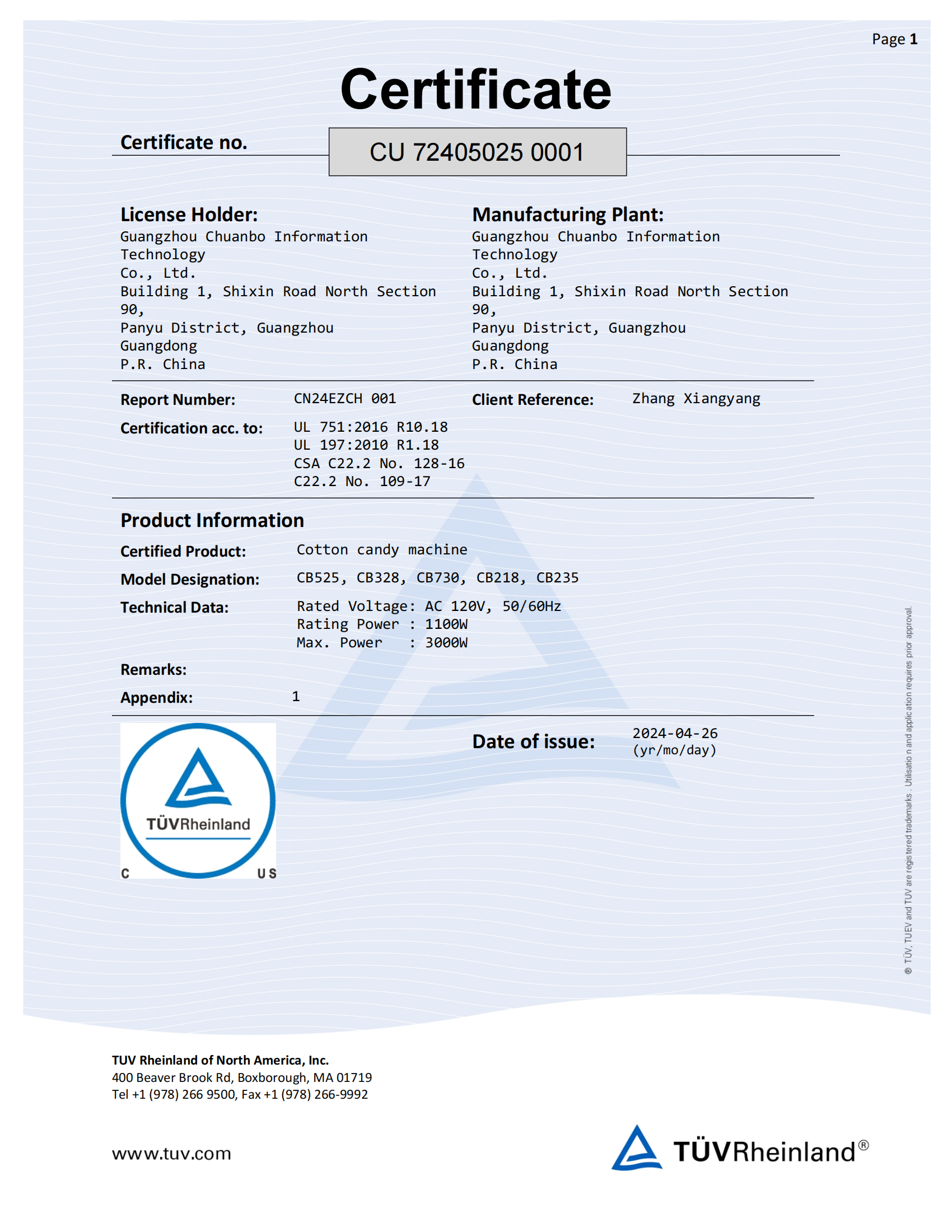
Authorized quality standards validating engineering excellence and import safety protocols.
Our products are manufactured according to strict international quality standards, enabling smooth customs clearance and FDA approval in the Philippines. We hold active certifications across top testing houses, ensuring compliance with electronic safety, mechanical food hygiene, and environmental metrics.
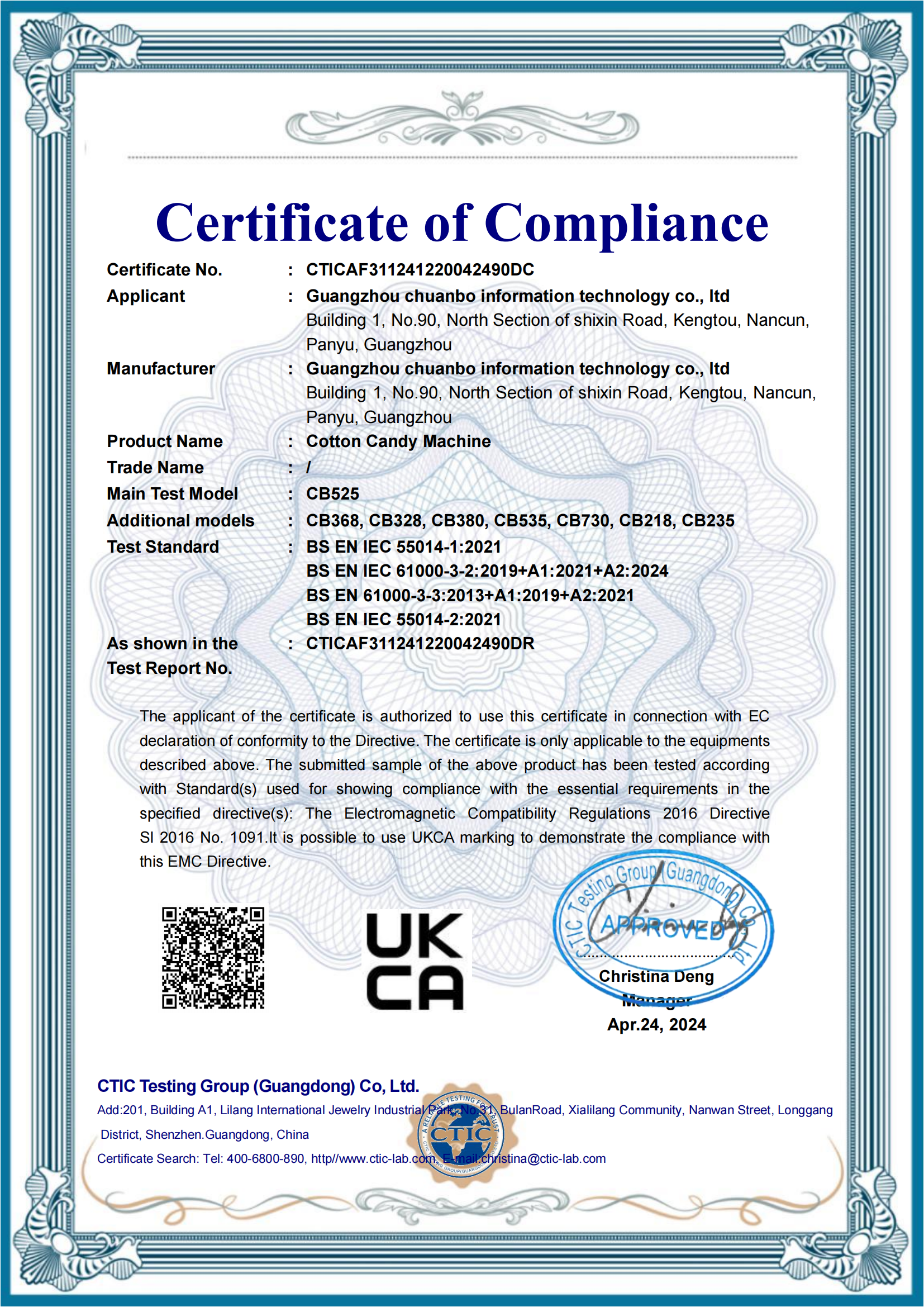
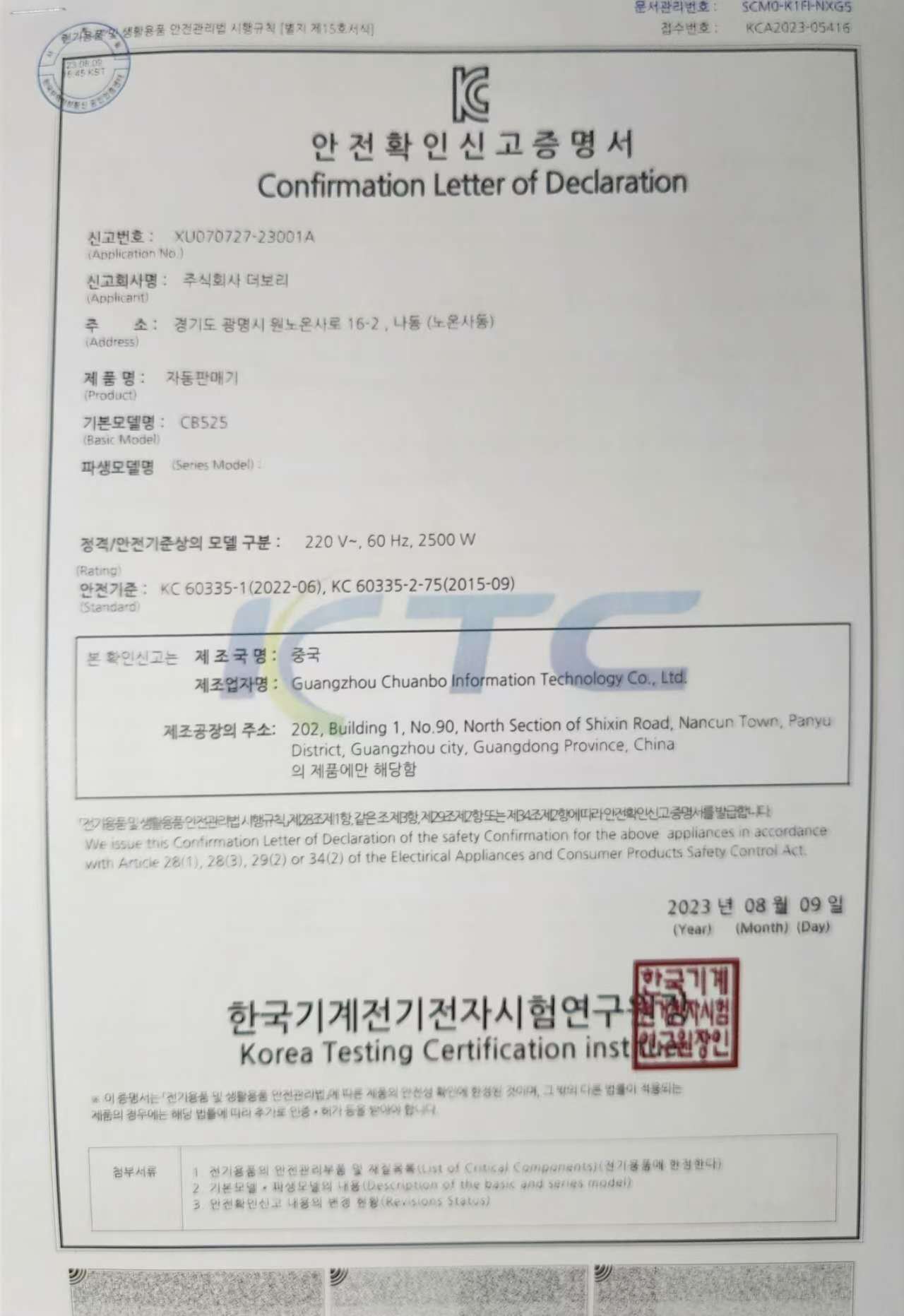
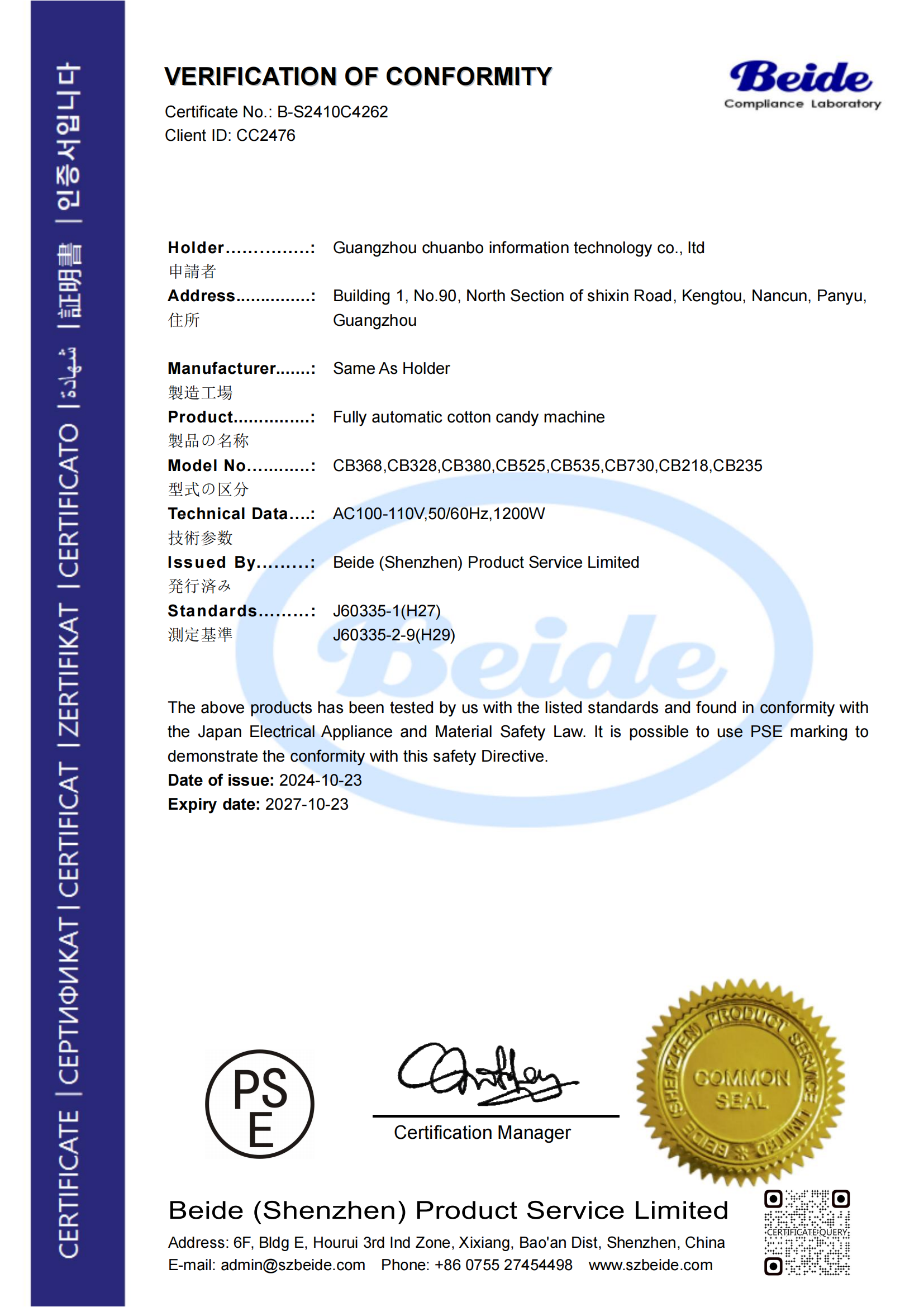
Witness the production lines, testing bays, and precision engineering backing our supplies.
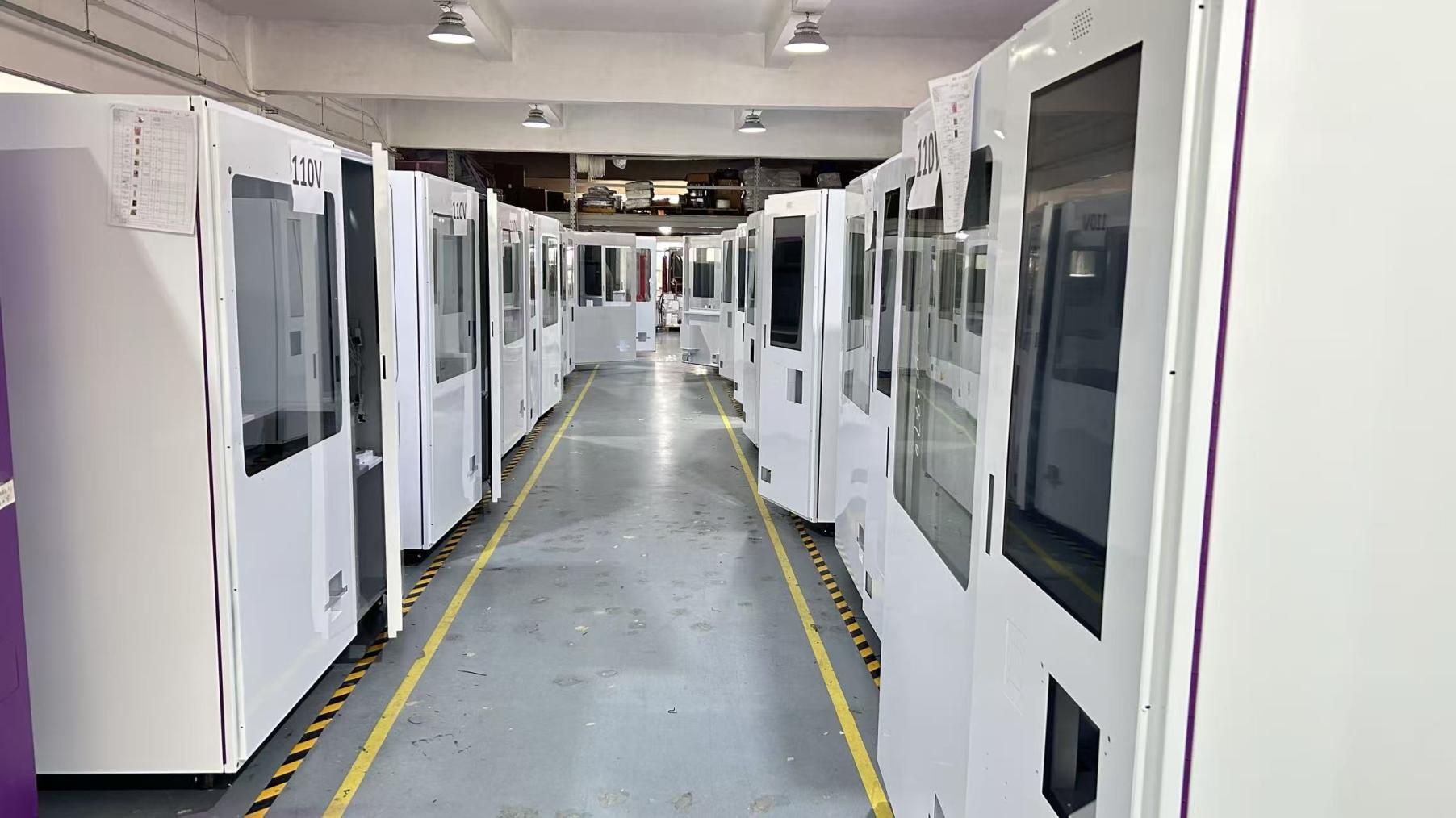
Assembly Line Validation
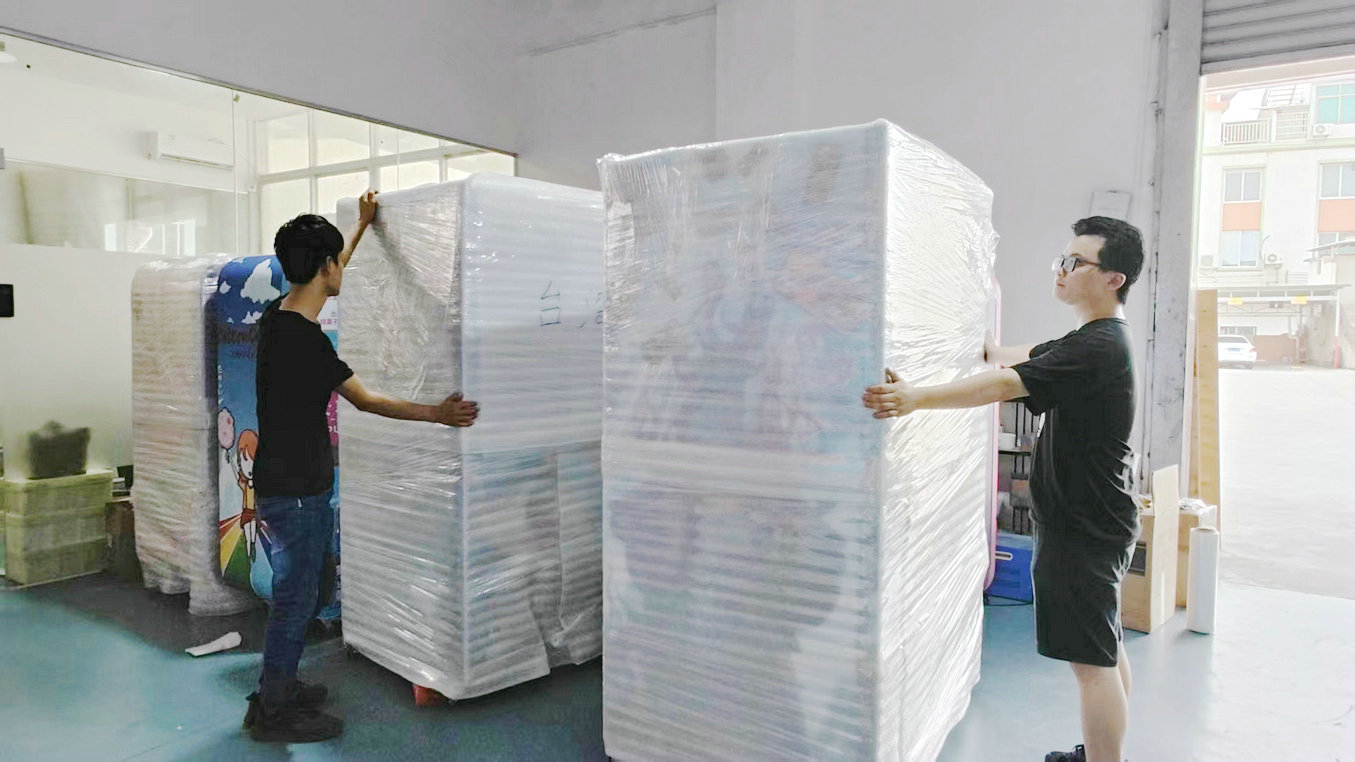
Telemetry & Motherboard Testing
Foaming & Structure Assembly
Sheet Metal Precision Press
OEM/ODM configurations equipped with advanced touchscreen, robotics, and remote telemetry systems.
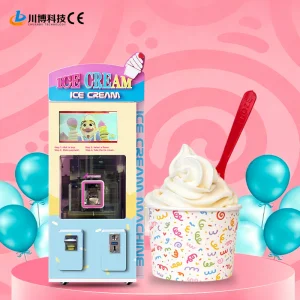
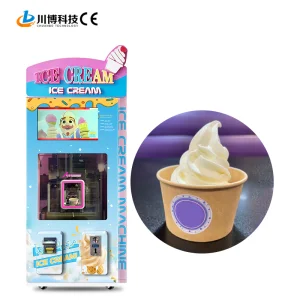
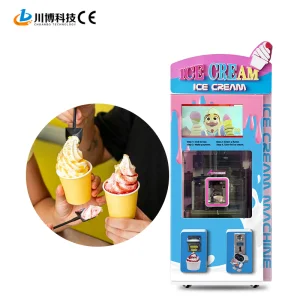
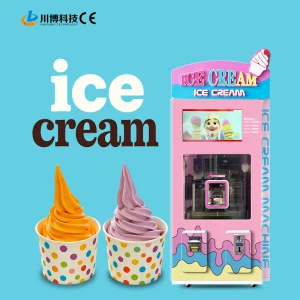
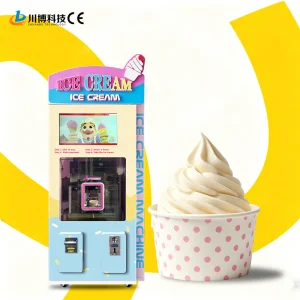
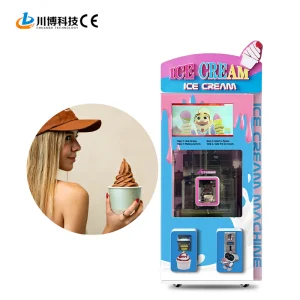
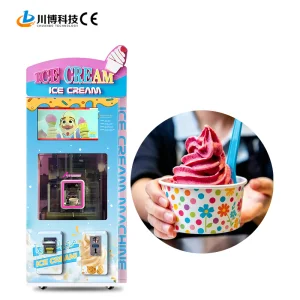
Frequently asked questions related to logistics, currency, power grid systems, and installation in the Philippines.
Our machines are built with telemetry boards supporting Android-based HMI controllers. We expose a local payment SDK that connects directly with third-party payment gateways like GCash, PayMaya, and GrabPay via dynamic QR codes. When a customer selects a flavor, the machine requests a QR code from the server, displays it on the 21.5" or 22" screen, and dispatches the product immediately upon transaction confirmation.
Yes, we strongly recommend deploying our machines with an automatic voltage regulator (AVR) of at least 5kVA, especially in rural regions or grid-unstable sites. While our custom built 220V/60Hz models feature advanced safety cuts, the local grid is prone to brownouts and sudden surges that could harm logic boards or compressor coils.
Under standard conditions in high-traffic Philippine locations (e.g., footfalls exceeding 5,000 per day, such as near transit hubs or shopping malls), a machine selling 100-150 cups daily at 35-50 PHP per cup can achieve full return on investment (ROI) within 6 to 9 months, accounting for raw ingredients, electricity, rent, and internet connections.
Our intelligent machines feature built-in pasteurization cycles that heat the hoppers to 65°C for 30 minutes during off-peak night hours. This pasteurization system extends the manual cleaning interval from every 3 days to once every 14 days, significantly reducing labor and maintenance overhead. Clean-in-Place (CIP) functions are easily run via the touchscreen interface.
Production cycles generally require 15 to 25 days depending on the customization parameters (OEM logo wraps, custom SDK, payment modules). Ocean freight shipping from Guangzhou or Shenzhen ports to Manila Port takes approximately 7 to 10 days, and to Cebu/Davao ports about 12 to 15 days, excluding customs clearance procedures.
Consult with our lead engineering team to customize configurations, secure factory-direct wholesale pricing, and customize payment integrations for the Philippines market.
Send Inquiry Now