1. Executive Analysis: Global Commercial Soft Serve & Vending Market
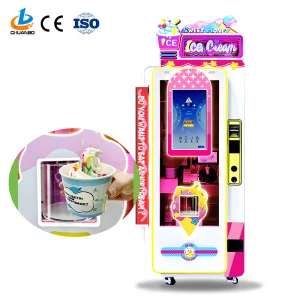
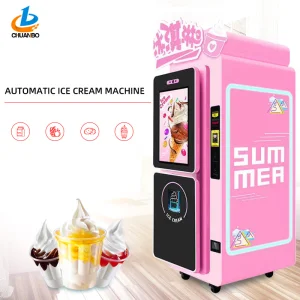
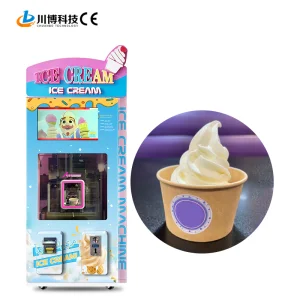
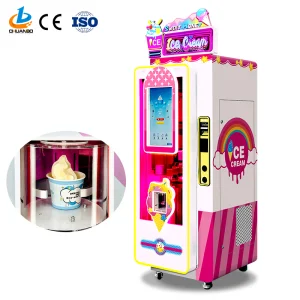
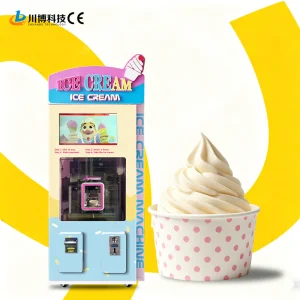
The global dessert and vending automation sectors are experiencing an unprecedented paradigm shift. Driven by skyrocketing labor costs, the rapid emergence of unattended micro-retail settings, and customer demands for immediate, customized service, commercial operators are turning away from manual production. An automated ice cream flavoring machine combined with a smart vending kiosk solves critical industry pain points: it eliminates manual food handling risks, delivers consistent portions, and functions 24/7.
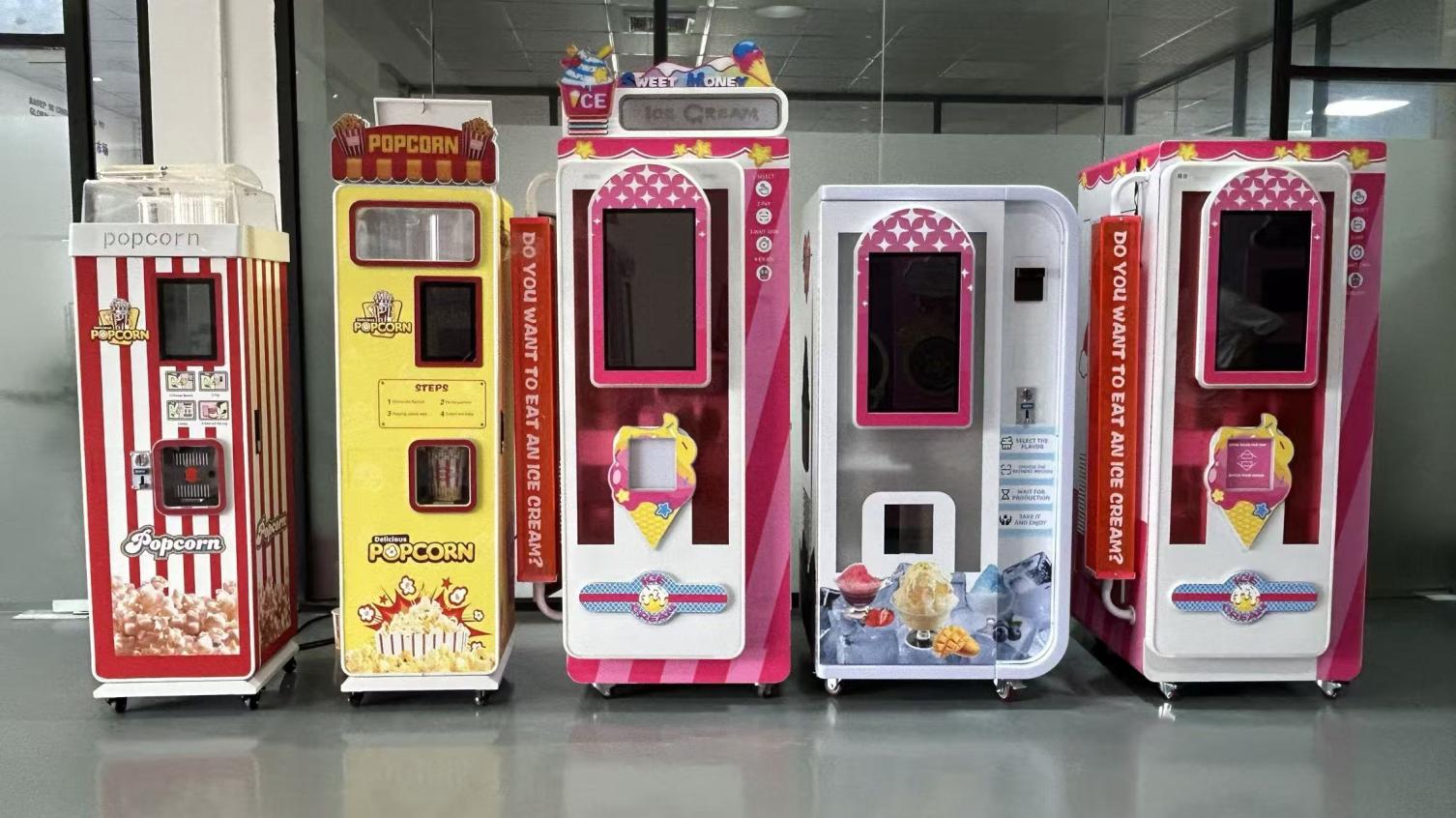
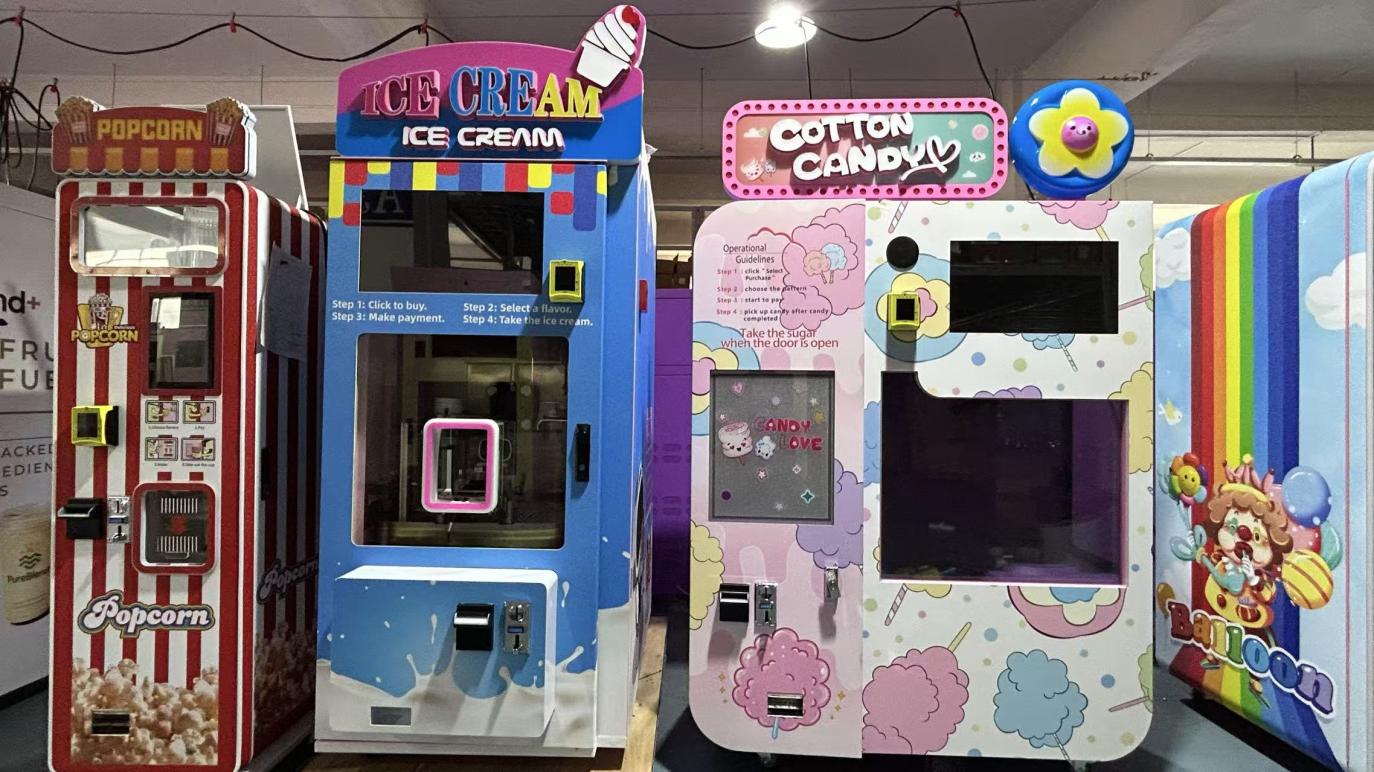
From shopping malls and transit terminals to theme parks and corporate dining facilities, automated soft serve dispensers act as high-efficiency profit centers. As leading exporters, Chinese manufacturers leverage deep vertical supply integration to produce reliable machines equipped with advanced mechanical components, medical-grade refrigeration units, and custom SDK software suites. These features come at a fraction of the cost of traditional western alternatives, making them highly attractive to international buyers.
Modern ice cream flavoring machines are no longer simple mechanical freezers; they are complex mechatronic stations that combine high-precision thermodynamics with advanced software engineering.
Advanced Cooling Circuits
Industrial-grade Embaco or Secop compressors run dual independent cooling loops. The primary loop ensures optimal freezing conditions in the cylinder, while the secondary loop maintains pre-cooling conditions below 4°C in the hopper to preserve milk mix.
Custom SDK & API Integration
Designed for system integrators, our hardware options include comprehensive Android/Linux SDKs. These tools enable smooth integration with third-party merchant accounts, biometric verification platforms, and custom UI/UX applications.
Global Payment Connectivity
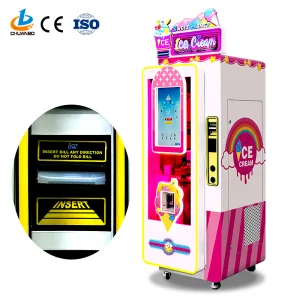
Equipped with international payment hardware compatibility, including Nayax card readers, ICT bill acceptors, coin validators, and localized QR code scanner engines for international regions.
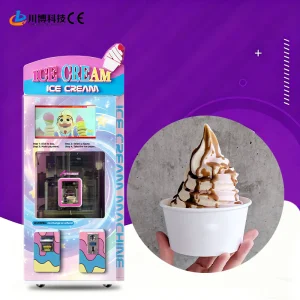
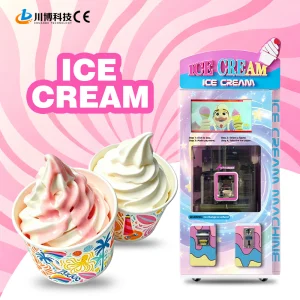
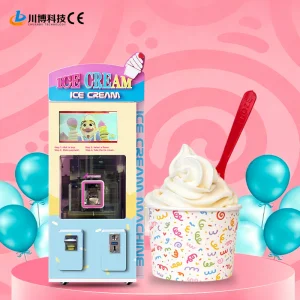
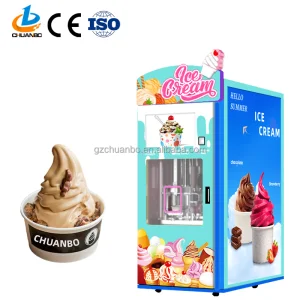
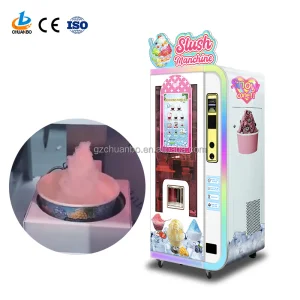
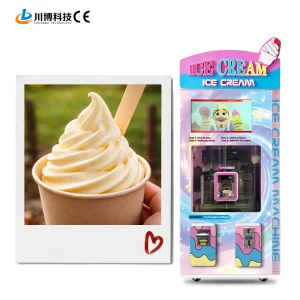
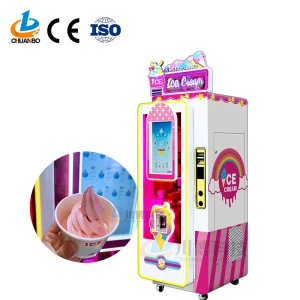
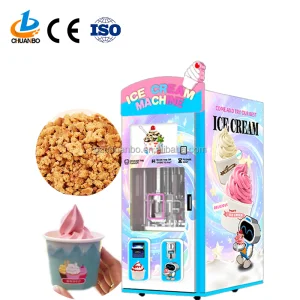
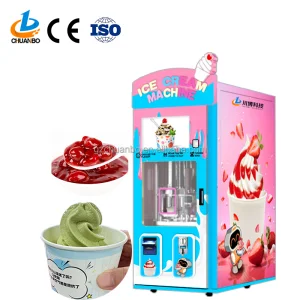
In terms of mechanical dispensing, these systems use robust dual-axis cartesian robotic arms or high-efficiency rotary carousels. When a user completes a purchase, the system sanitizes the dispensing zone, positions the cup or cone, starts the extrusion motor, and moves dynamically to create a perfect swirl. Dynamic syrup injection channels introduce up to 4 different sauces or toppings, offering 59 customizable flavor profiles from a single footprint.
3. Strategic Solutions & ROI for Enterprise B2B Buyers
For chain retail owners, commercial food distributors, and vending operators, our systems provide key operational and financial advantages:
Labor Elimination: Standard soft serve kiosks require dedicated staff for scooping, cash handling, and cleaning. Our robotic vending machines require only 15 minutes of routine sanitation per day.
Ingredient Efficiency: Advanced air pump overrun control systems push yield efficiency up to 35-40%, significantly lowering ingredient input costs per serving.
Telemetry Control: Real-time cloud management software alerts logistics teams when liquid mix levels are low, cup inventory is depleted, or internal temperatures deviate from set parameters.
Quick ROI: Operating at average busy locations with 80-100 cup sales per day, capital investment costs are typically recouped within 4 to 6 months.
Manufacturing Capability & Quality Infrastructure
Company Profile
Registration Date
2015-04-08
Manufacturing Footprint
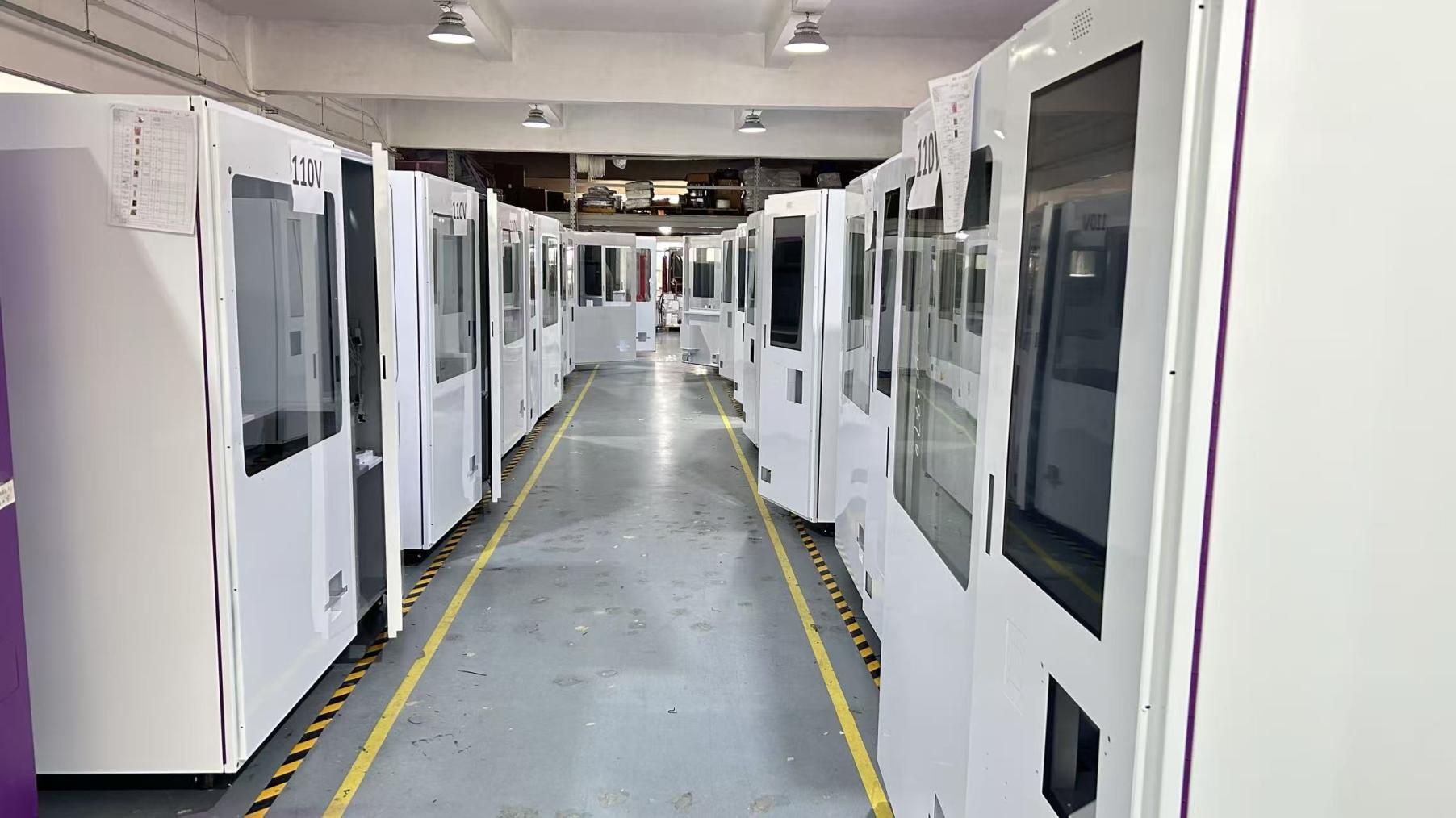
3,000 Square Meters (㎡)
Export History
11 Years of Global Export Operations
R&D Engineering Team
2 Dedicated Post-Graduate Engineers
Production Capacity
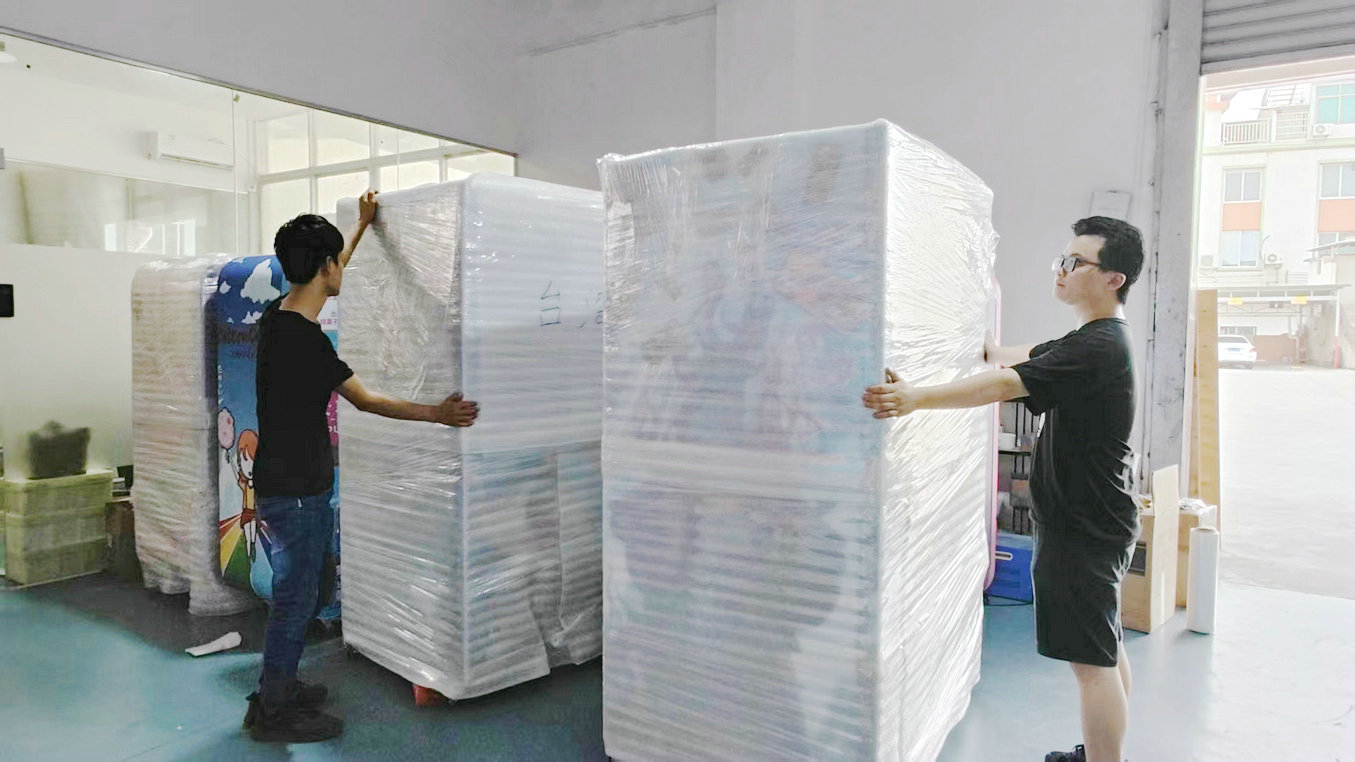
2 Assembly Lines, Annual Run Rates Over 1,200 Units
Quality Control & Traceability
QC Personnel
2 Dedicated QA/QC Inspectors
Raw Material Verification
Full traceability of food-grade steel & electrical components
Sanitation Auditing
Complete inspection of all outgoing systems
Customization Level
Light branding, complex hardware SDK and graphics integration
Target Export Markets
North America (26%), South America (20%), Middle East (10%)
International Compliance & Certifications
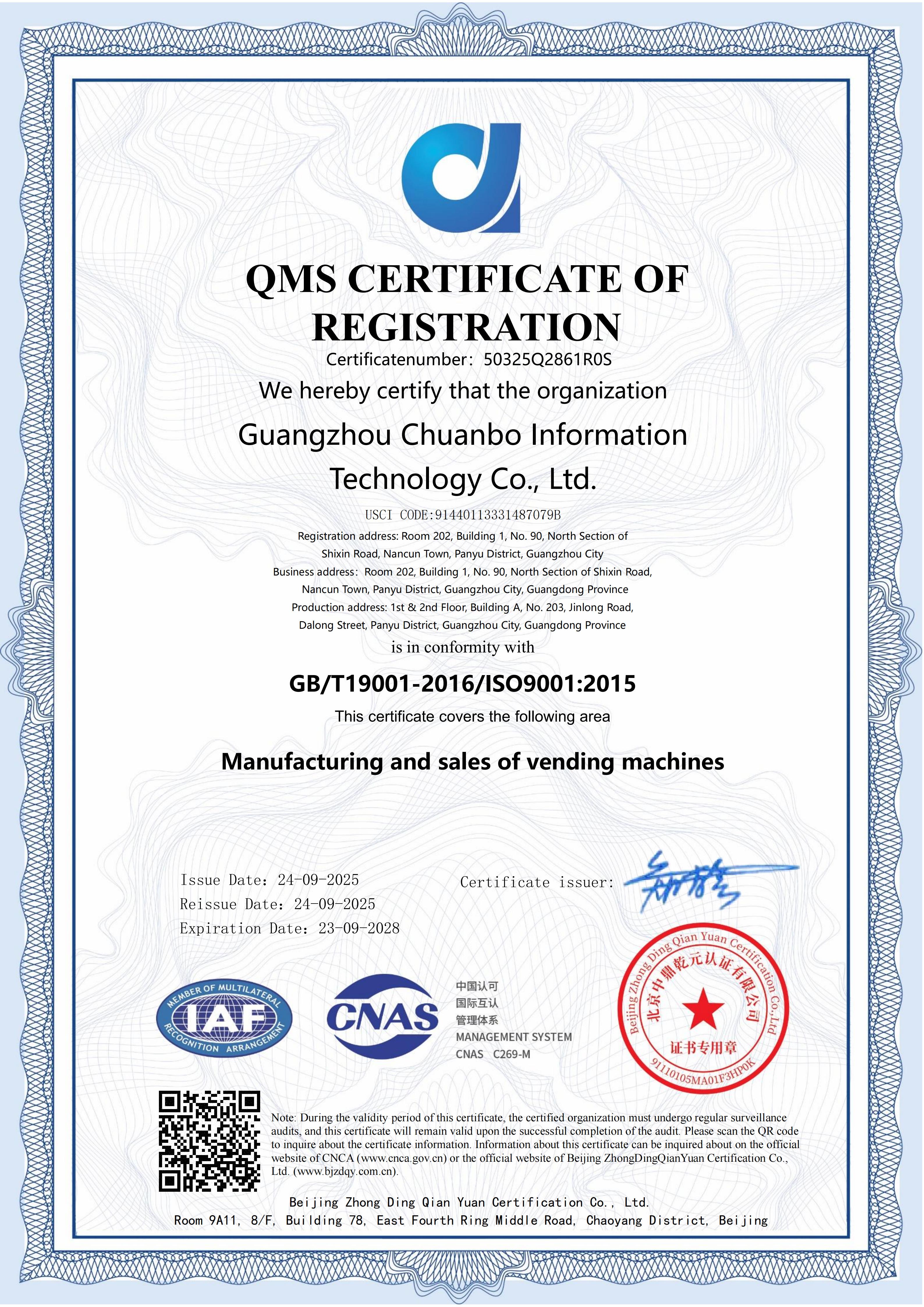
ISO 900150325Q2861R0S
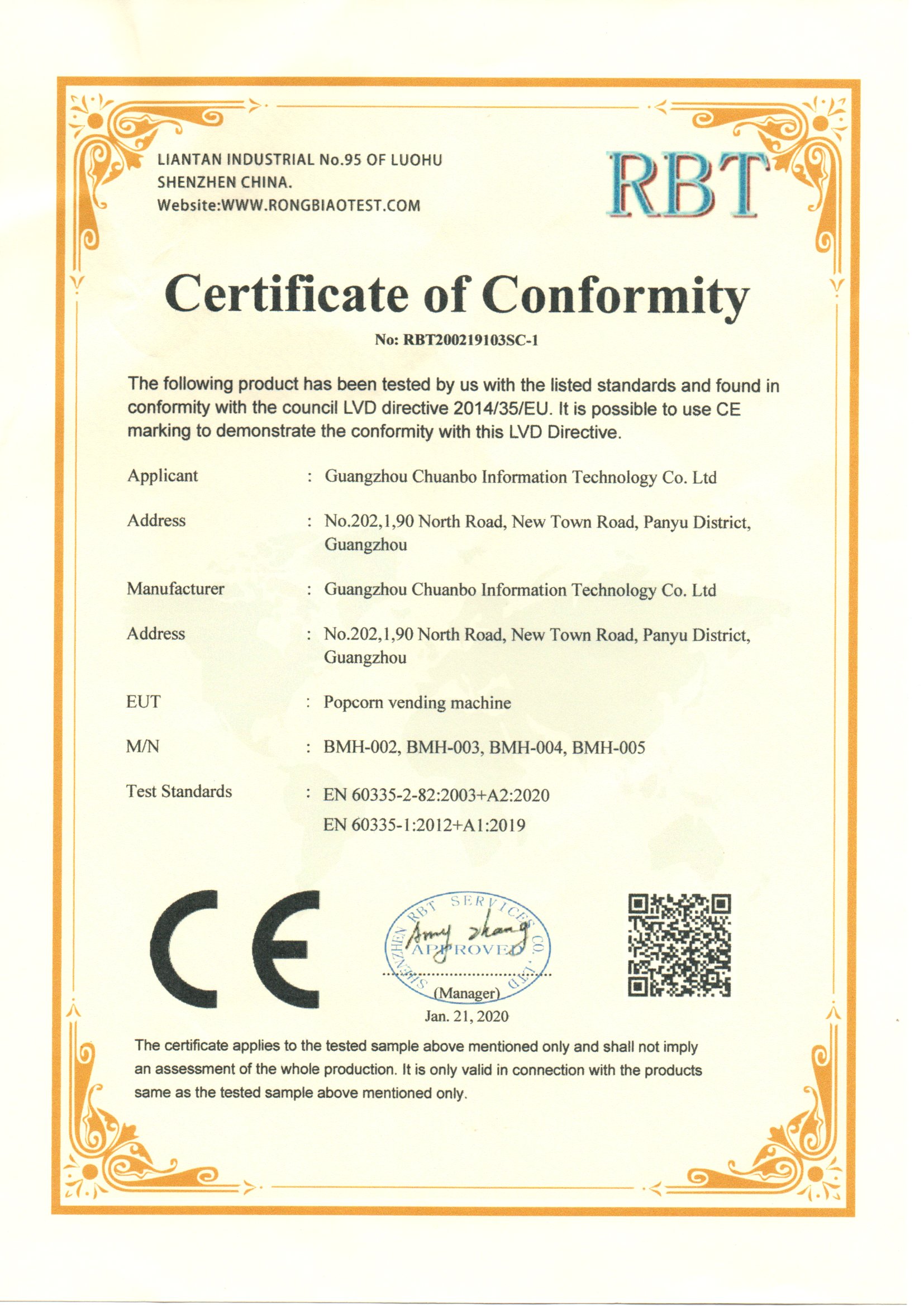
CE MarkRBT200219103SC-1
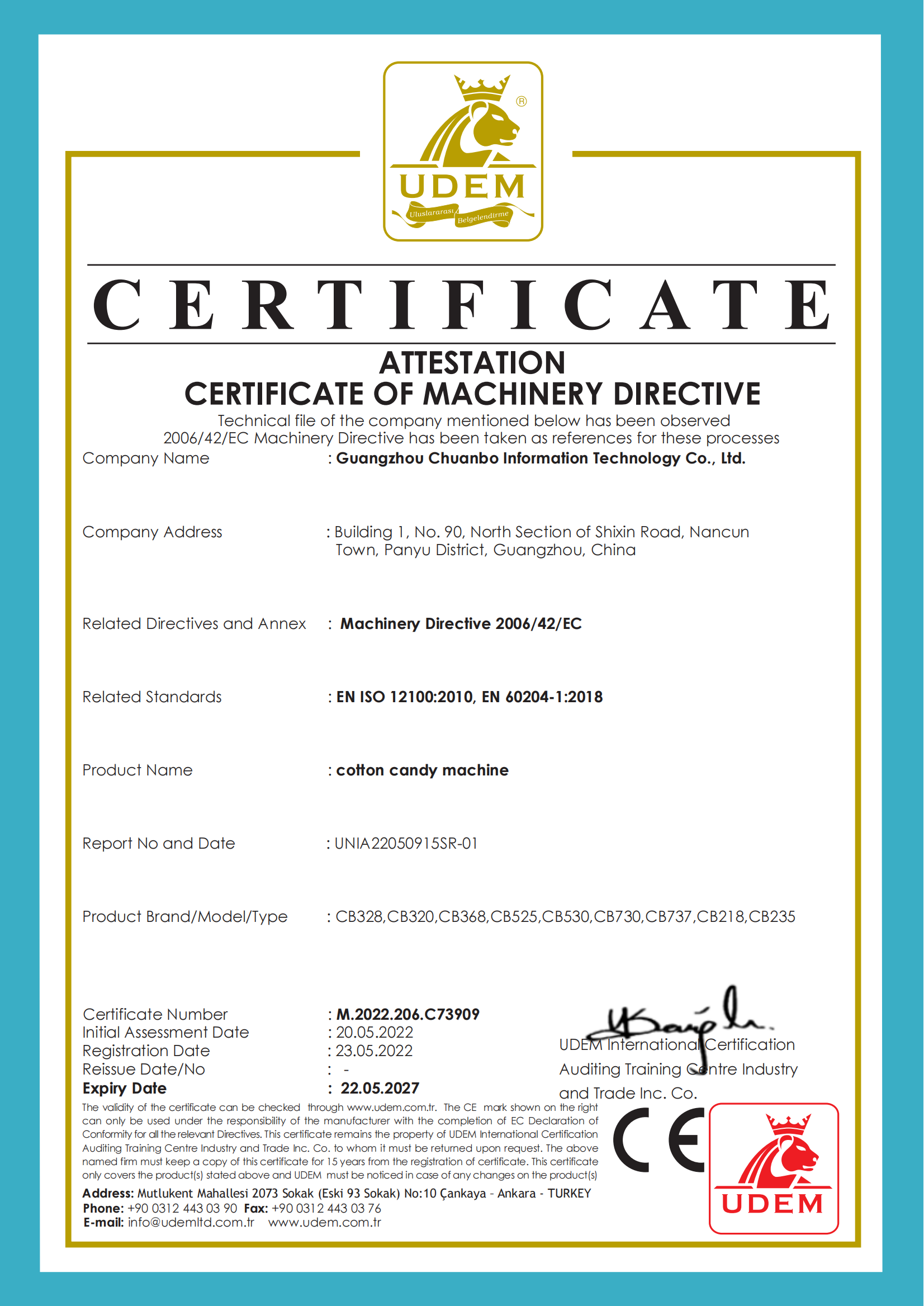
CE MarkUNIA22050915SR-01
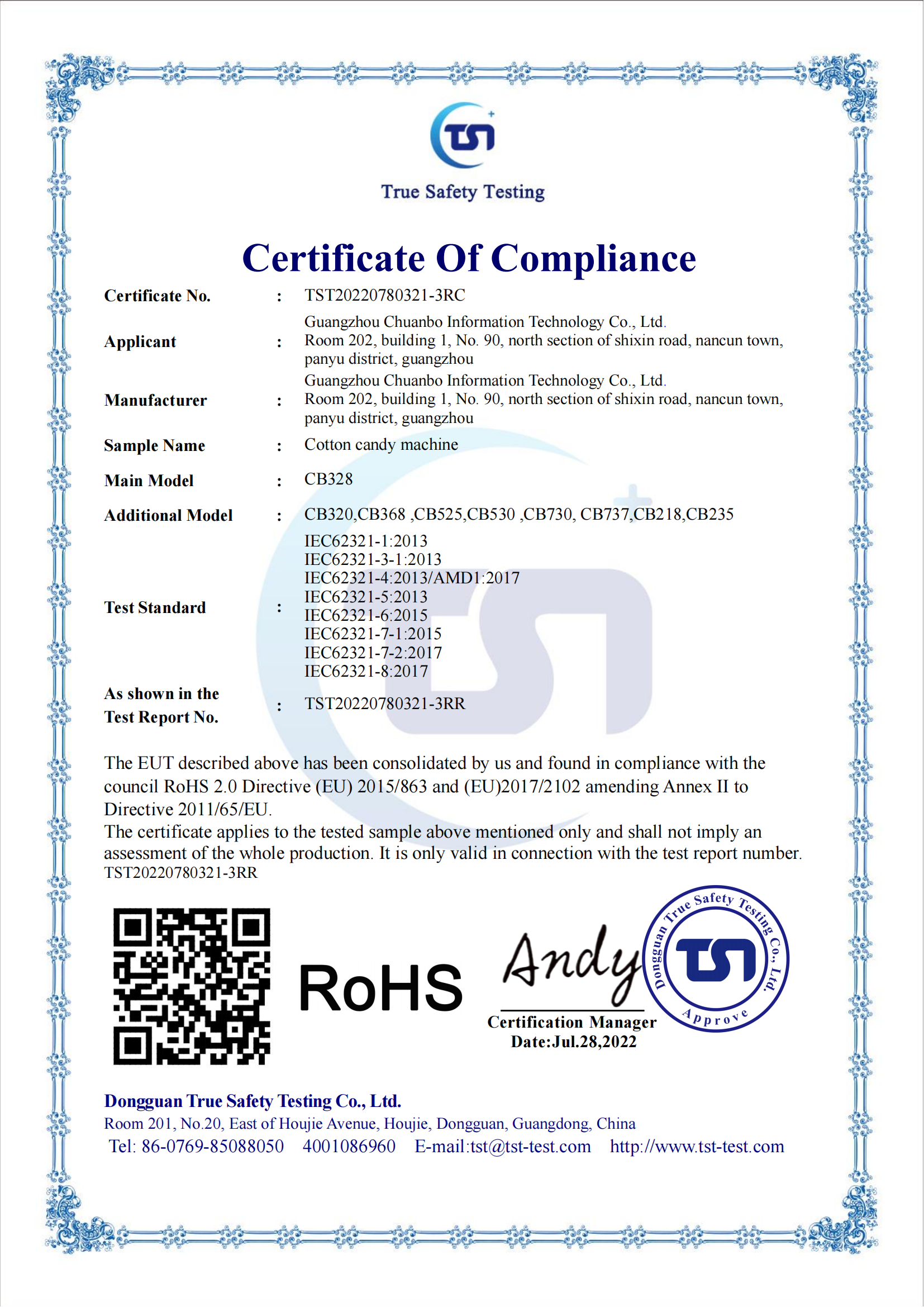
RoHSTST20220780021-3RC
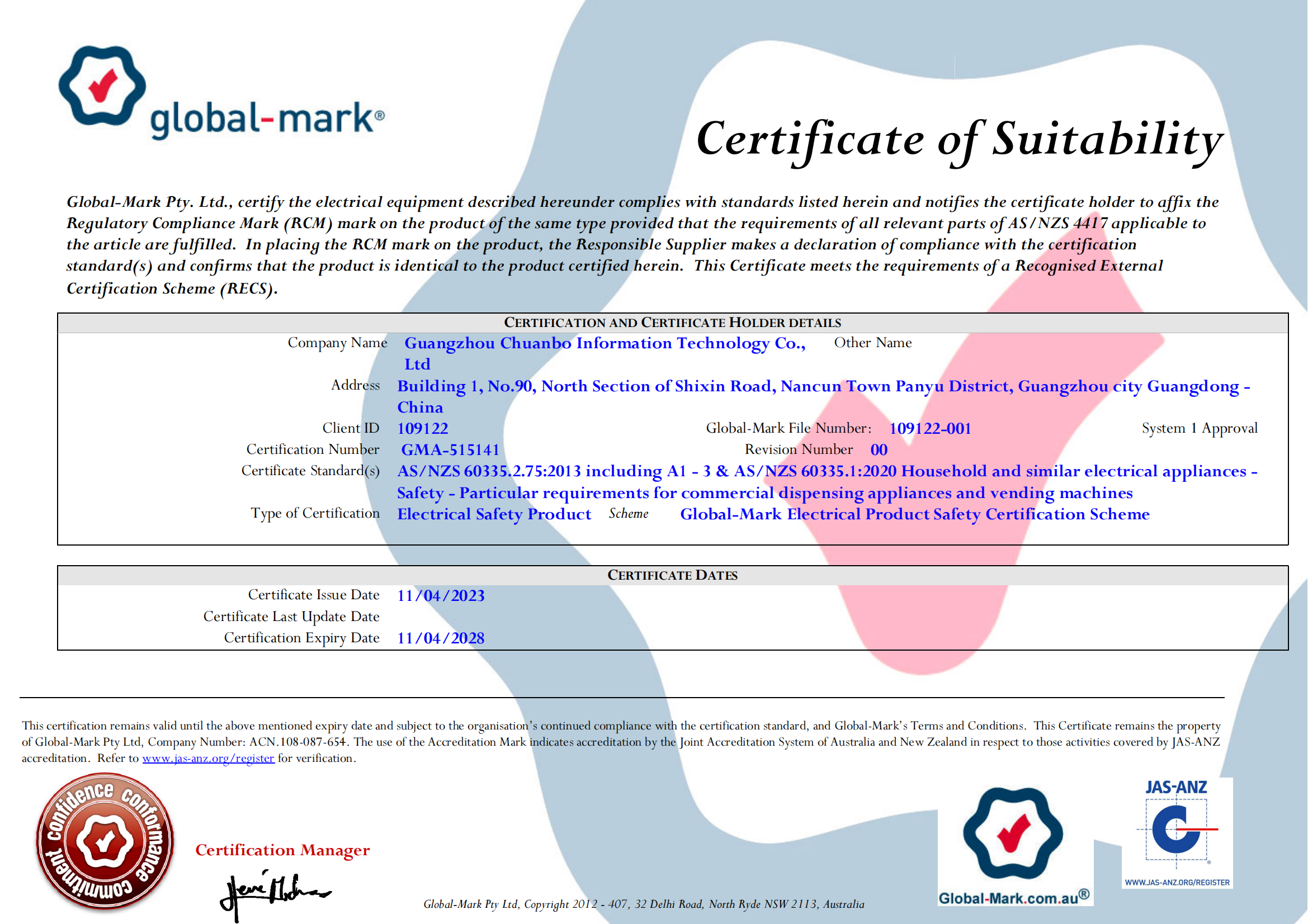
RCMGMA-515141
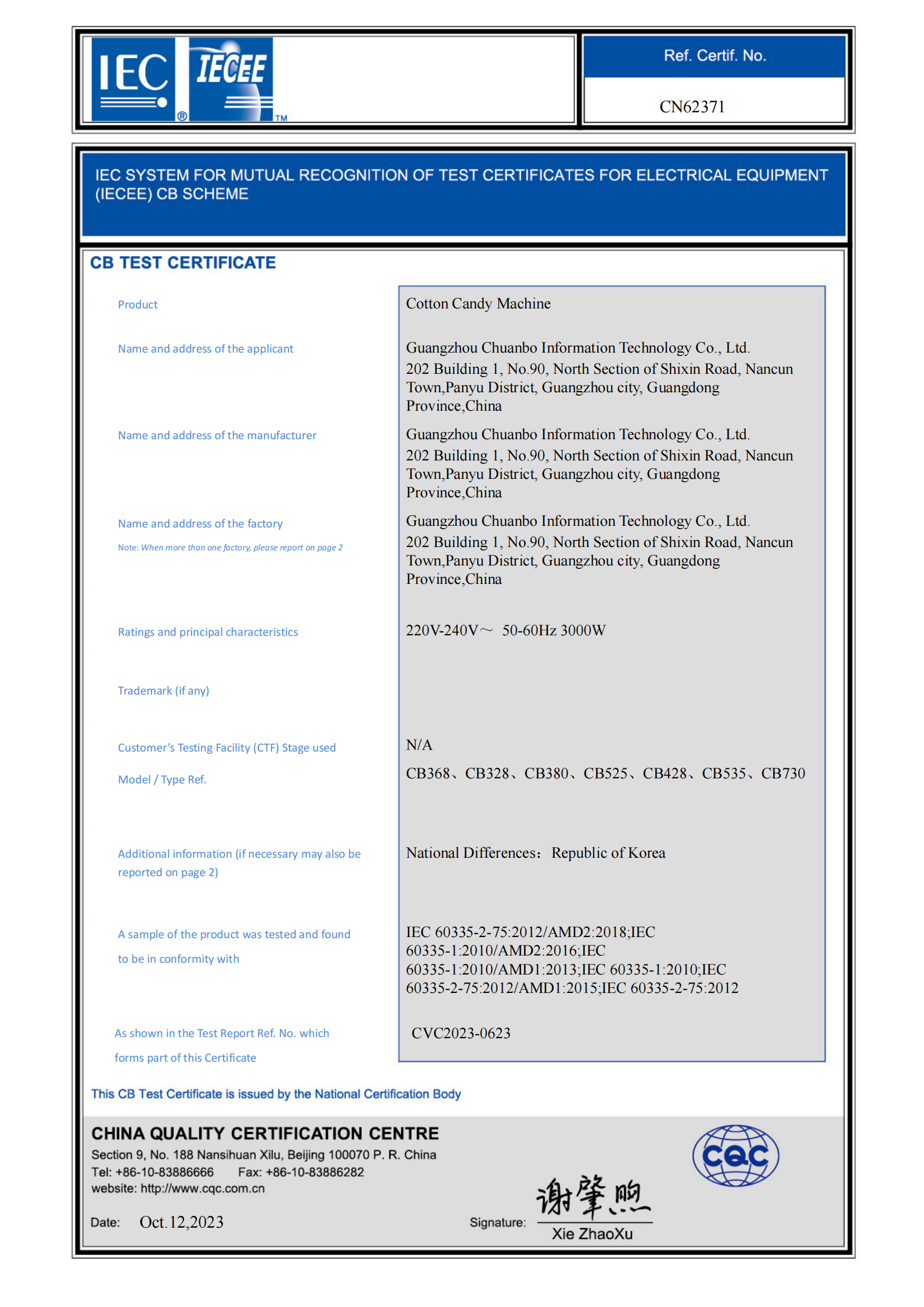
CB SchemeCN62371
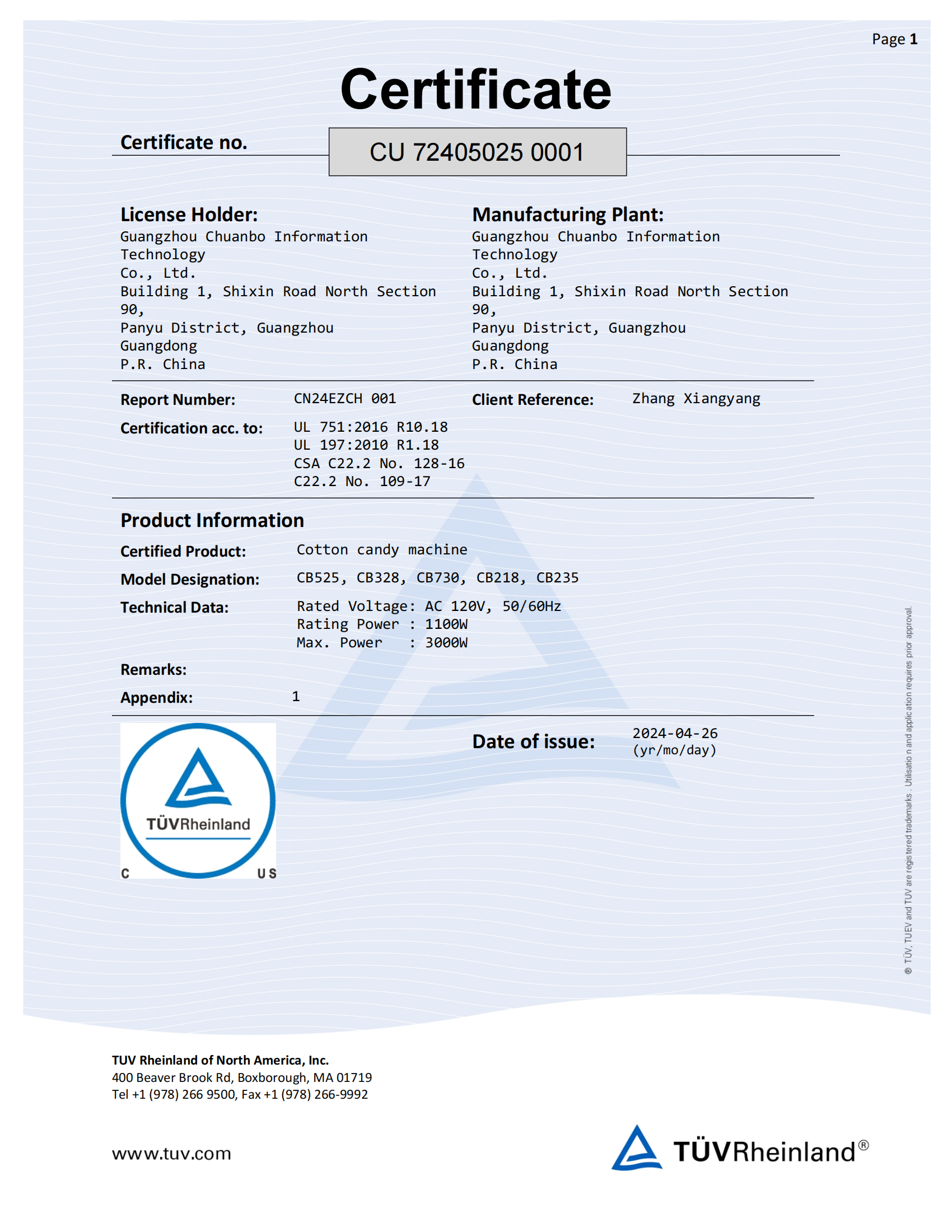
UL ListedCU 72405025 0001
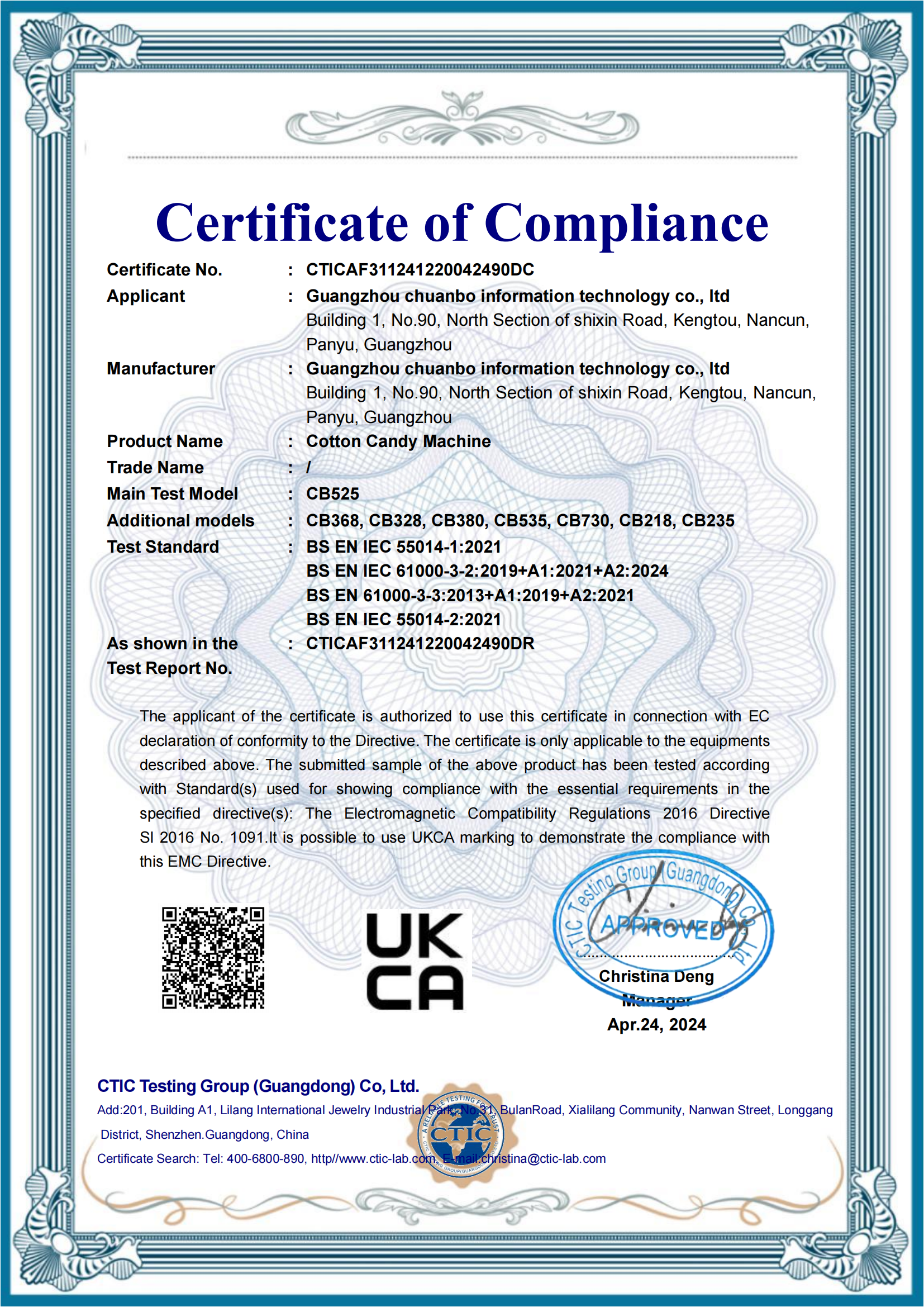
UKCACTICAF311241220042490DC
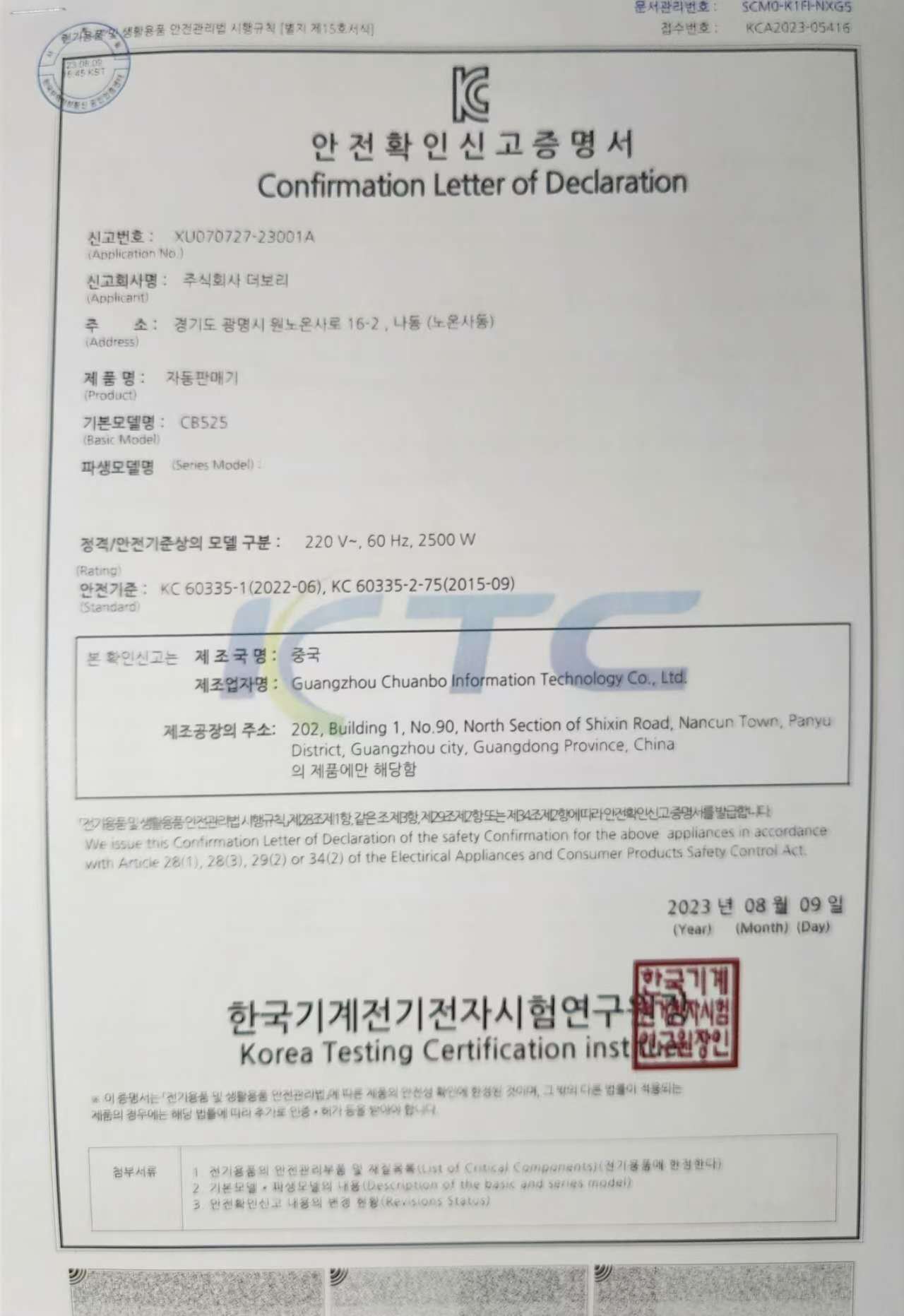
KC KoreaXU070727-23001A
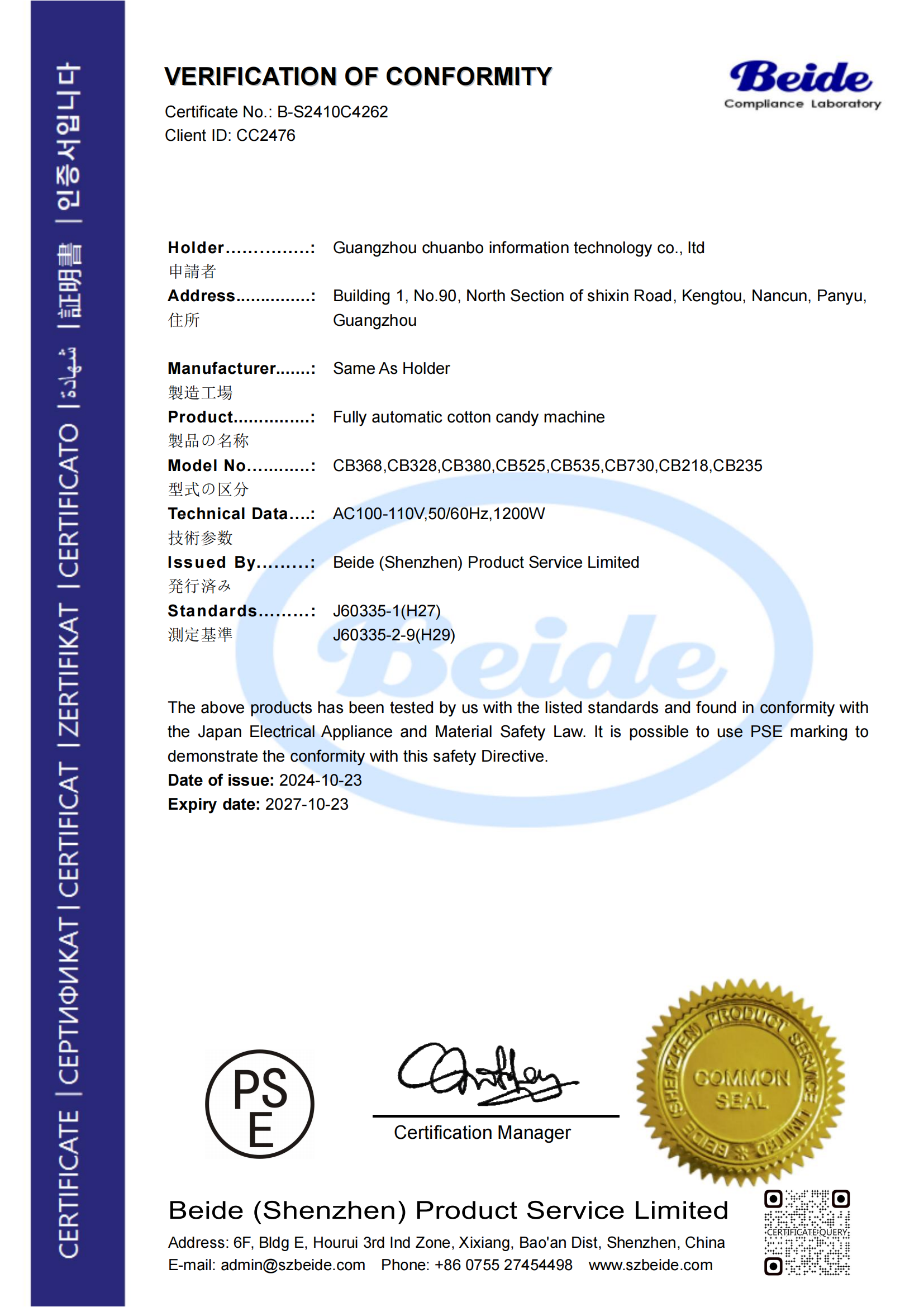
PSE JapanB-S2410C4262
4. Global Standards & Localized Compliance Support
Sourcing high-voltage cooling equipment from China requires strict compliance with localized certifications. The products listed here meet global safety, health, and environmental compliance standards, including:
North America (UL, CB): Electrical design configurations support standard USA electrical grid layouts (115V/60Hz, 220V/60Hz single or split-phase lines) utilizing UL certified components.
European Union & UK (CE, UKCA, RoHS): Built in compliance with EU machinery and safety directives, and containing zero hazardous chemical residues.
Asia-Pacific (PSE, KC, RCM): Conforming to Japanese electrical safety guidelines, Korean national quality parameters, and Australian electrical safety frameworks.
5. In-Depth Technical Q&A: B2B Procurement FAQ
Q1: What are the daily cleaning requirements for automated soft serve vending machines?
Our modern soft serve machines feature programmed clean-in-place (CIP) and heat-treatment cycles. This system heats the liquid mix to pasteurizing temperature to eliminate harmful bacteria, extending the required disassembly and manual wash cycle interval up to 7-14 days, depending on local health department regulations.
Q2: Can we integrate custom payment terminals or regional mobile applications?
Yes. The control computers feature open API structures and support common telemetry standard protocols. We can pre-integrate MDB/Dex modules for Nayax readers or supply customized SDKs for regional mobile wallets and loyalty apps.
Q3: How does the ice cream machine manage flavor selection and syrup delivery?
Syrups are kept in separate canisters inside the refrigerated cabinet. Food-grade peristaltic pumps deliver precise amounts of syrup directly to the nozzle during extrusion. This design ensures accurate flavoring with no flavor carryover between cycles.
Q4: What is the average power usage under peak operating conditions?
Peak power draw during simultaneous refrigeration and dispensing cycles ranges from 2.2kW to 3.8kW. During standby and overnight pre-cooling cycles, power consumption drops significantly, ranging from 150W to 300W to minimize operational costs.
Q5: What warranty and after-sales support options are available for import buyers?
We provide a 1-year warranty on core components, including the main processor, compressor, and robotic actuators. We also supply a complimentary kit of high-wear parts (such as seals, food-grade lubricants, and scraper blades) with each shipment, backed by video diagnostic support from our engineering department.
 CN Soft Serve