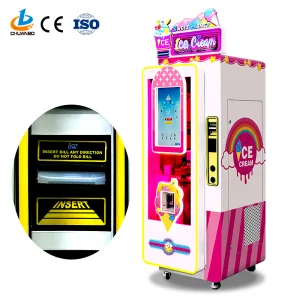
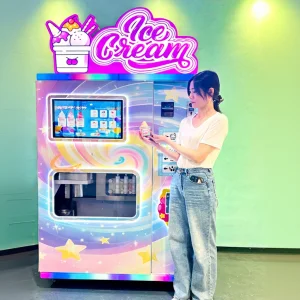
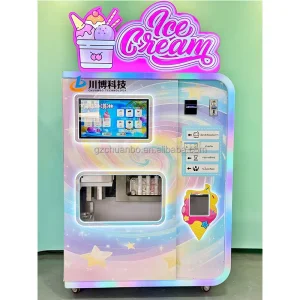
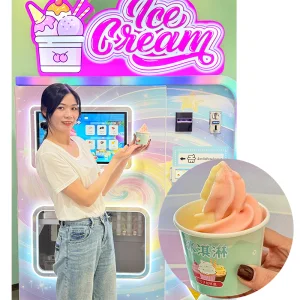
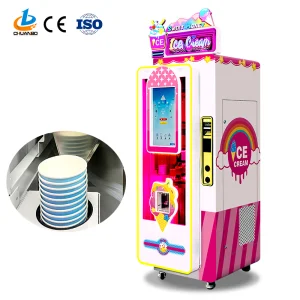
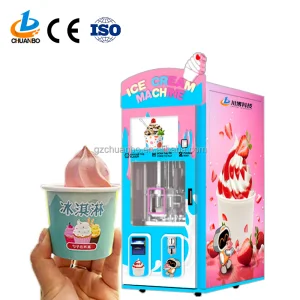
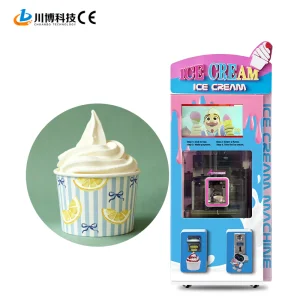
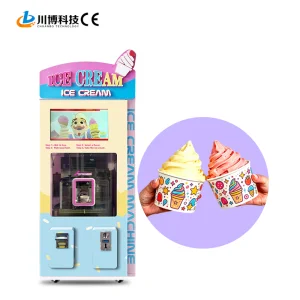
CN Soft Serve
CN Soft Serve
CN Soft Serve
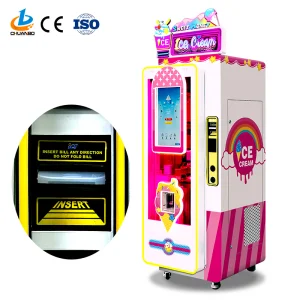
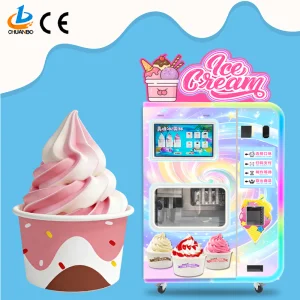
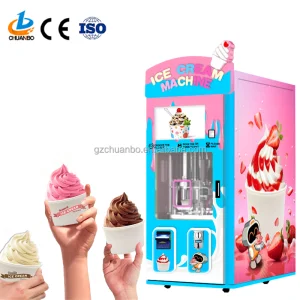
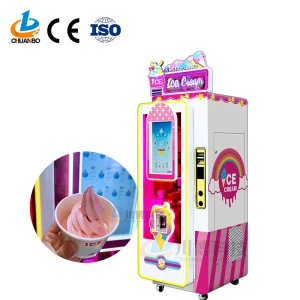
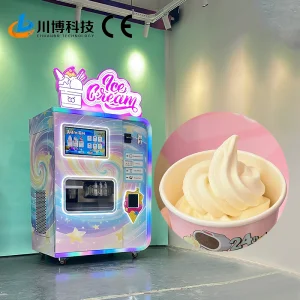
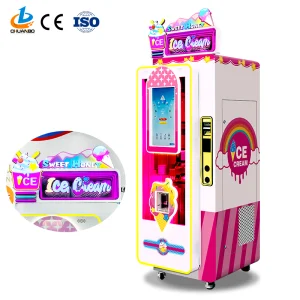
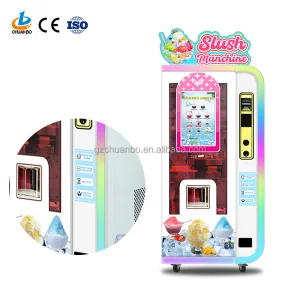
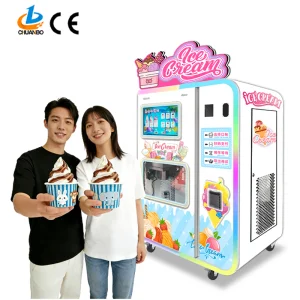
The global commercial ice cream equipment sector is undergoing a profound paradigm shift. Driven by structural labor shortages, evolving consumer demand for personalized on-the-go treats, and advanced robotic integration, the traditional over-the-counter service model is yielding to automated, unattended operations. Modern industrial ice cream equipment must balance strict pasteurization and sanitary compliance with robust mechanical dispensing dynamics.
As shopping malls, transit terminals, and corporate complexes globally prioritize floor footprint optimization, automated soft serve dispensing machines have emerged as a high-margin asset class. The transition from standalone batch freezers to fully integrated, intelligent vending structures represents a multi-billion dollar trend. In this landscape, OEM/ODM manufacturers act as vital engineering partners, configuring dual-cylinder refrigeration loops, implementing flexible API integration for global payment networks, and designing touch-to-serve interfaces that require minimal localized site management.
Strict thermal pasteurizing phases run automatically during off-hours, ensuring the hopper mix complies with global sanitary regulations while minimizing daily mechanical teardowns.
Real-time machine-to-cloud telemetry monitors hopper temperature, mix levels, product viscosity, cylinder health, and payment system transactions continuously.
Precision air pump and cylinder geometries maintain consistent overrun rates (up to 40% air inclusion) to deliver premium product texture across thousands of consecutive servings.
China's industrial hub for commercial refrigeration machinery offers unparalleled supply chain synergy. By integrating specialized component ecosystems—ranging from heavy-duty Embraco or Copeland compressors to custom capacitive touchscreen panels—Chinese factories offer significant design-to-delivery speed advantages. The regional vertical integration of CNC metal sheet stamping, specialized PU insulation foaming, and controller board software development reduces raw-material sourcing overhead and optimizes design iteration times.
This centralized manufacturing ecosystem allows Chinese OEMs to offer highly custom configurations, including custom-branded graphics, multi-flavor cylinder combinations, customized graphics processing, and native SDK integrations. Crucially, these facilities achieve high quality control parity with international standards, validating products via strict functional testing regimens, raw material compliance checks, and thermal profiling chambers prior to global dispatch.
| Industrial Dimension | Factory Baseline Parameters & OEM Capabilities |
|---|---|
| Establishment & Heritage | Registered on 2015-04-08, boasting over 11 years of dedicated export and industry experience. |
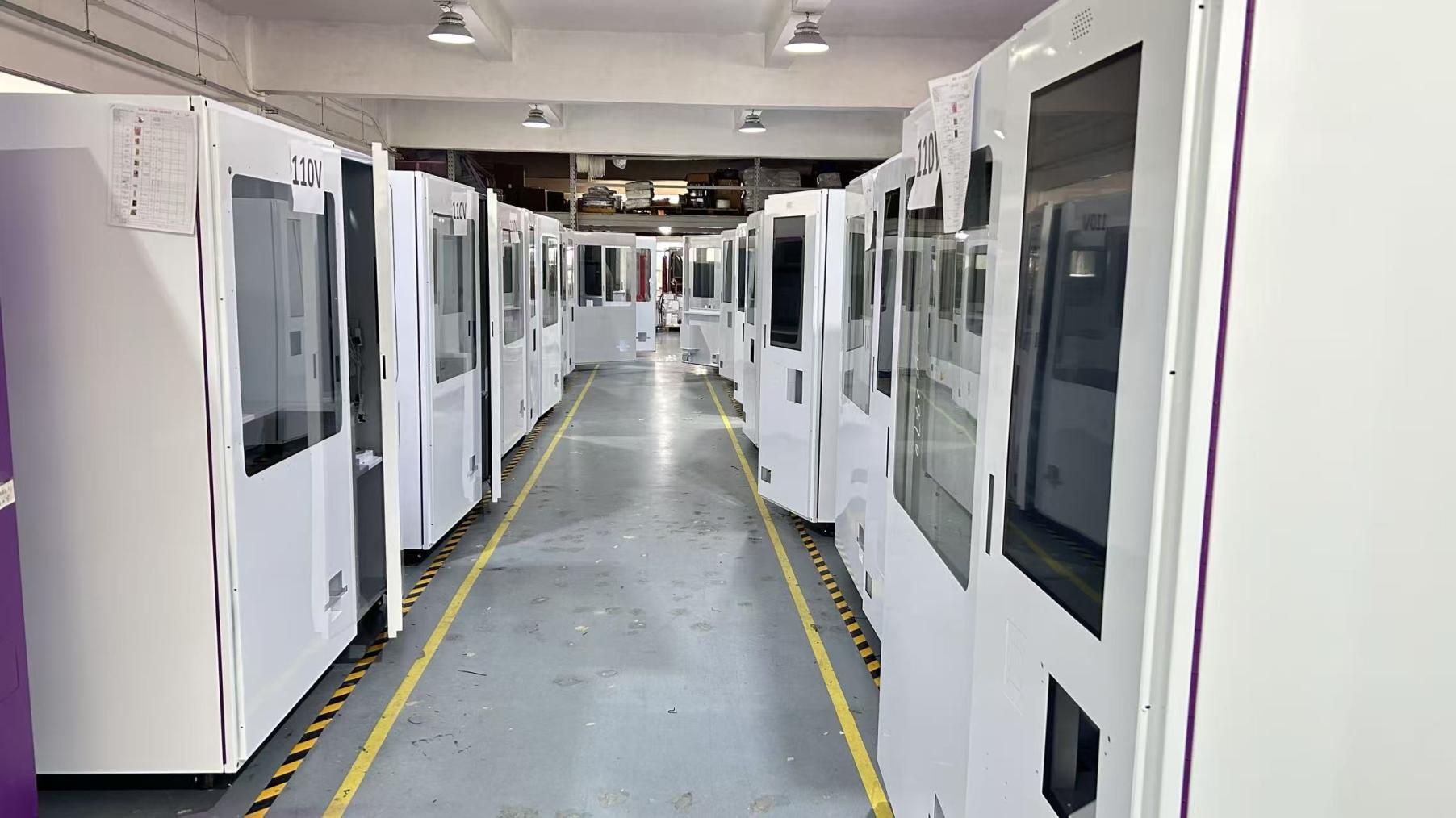
| Manufacturing Infrastructure | State-of-the-art 3000㎡ facility housing 2 advanced assembly and automated refrigeration charging lines. |
| Quality Control Protocol | Full material traceability, QA/QC inspectors stationed on all active production lines, and 100% component-to-system inspection before shipping. |
| R&D Infrastructure | Led by dedicated graduate engineers; launched 20+ new intelligent vending products last fiscal year. |
| Customization Versatility | Support for light customization, physical sample processing, visual graphic wrap designs, and comprehensive custom-on-demand engineering. |
| Primary Export Regions | North America (26%), South America (20%), Middle East (10%), and broader European & APAC markets. |
Our manufacturing plant and products strictly conform to top-tier global safety, sanitary, and electromechanical operations standards.








Modern unattended ice cream equipment is engineered to adapt dynamically to diverse installation environments. Each deployment setting imposes specific mechanical, connectivity, and capacity demands on the system hardware. Understanding these localized configurations ensures optimal product-market fit and operational uptime:
These systems leverage high foot traffic with custom-tailored graphics, 32-inch touchscreen interfaces, and automated topping dispensers. Key integrations include multi-language support and direct credit card terminal processing.
Airports, train hubs, and metro stations prioritize transaction throughput. Here, units utilize high-capacity dual cylinders and fast dispensing logic to complete transactions and serve products in under 15 seconds.
Operating in 24/7 self-service environments, these deployments rely heavily on campus card APIs and QR code billing solutions. Robust steel cabinetry and anti-vandalism features ensure security and physical durability.
When purchasing industrial ice cream vending systems at scale, global procurement teams must verify a range of electromechanical and sanitary specifications. Given the complexity of automated frozen food storage, basic evaluation checklists must address the following critical performance criteria: