 CN Soft Serve
CN Soft Serve
CN Soft Serve
Premium intelligent soft-serve systems integrated with self-service architecture and remote telemetry interfaces.
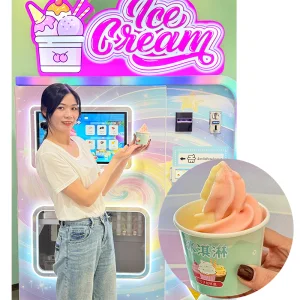
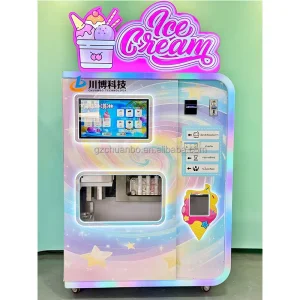
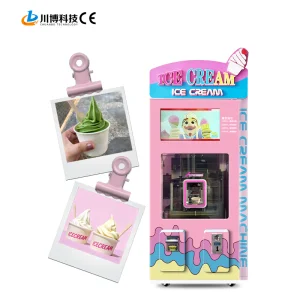
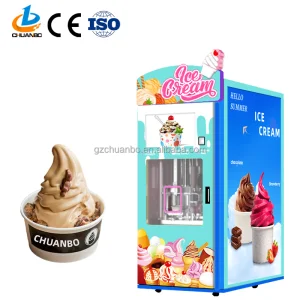
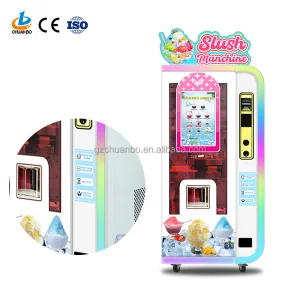
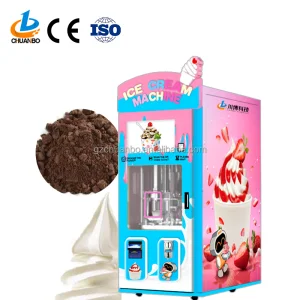
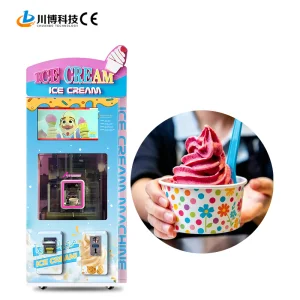
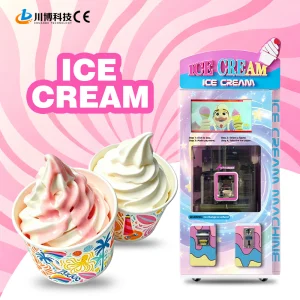
The global dessert machinery domain is experiencing a profound transition from basic mechanical soft serve dispensers to fully automated, IoT-connected **Ice Cream Mixing Stations**. Traditionally, serving dynamic dessert profiles required dedicated operators, manual ingredient stocking, and constant sanitization oversight. Modern advancements in automation and robotics have mitigated these pain points. By incorporating multi-cylinder extrusion mechanisms, self-cleaning pasteurization protocols, and localized flavor-blending software, manufacturers have elevated commercial systems into intelligent micro-retail facilities.
Key driving vectors in the current landscape include:
Procurement teams from hypermarkets, high-traffic transportation terminals, and amusement parks are seeking structural returns on capital expenditure. A modern automated ice cream mixing station represents an integrated micro-factory with an operational footprint under 1.5 square meters. In high-traffic locations, these machines generate immediate returns by operating without dedicated staff, yielding an average ROI cycle of 6 to 9 months.
Global buyers demand open-architecture Software Development Kits (SDK) and Application Programming Interfaces (APIs) to integrate proprietary payment gateways, POS terminals, and loyalty applications. Compliance with national data telemetry standards is critical; modern systems require localized cellular modem configurations and PCI-DSS compliant credit card processing to ensure secure operations across different markets.
A statistical verification of our engineering infrastructure, supply chain capabilities, and strict quality control protocols.
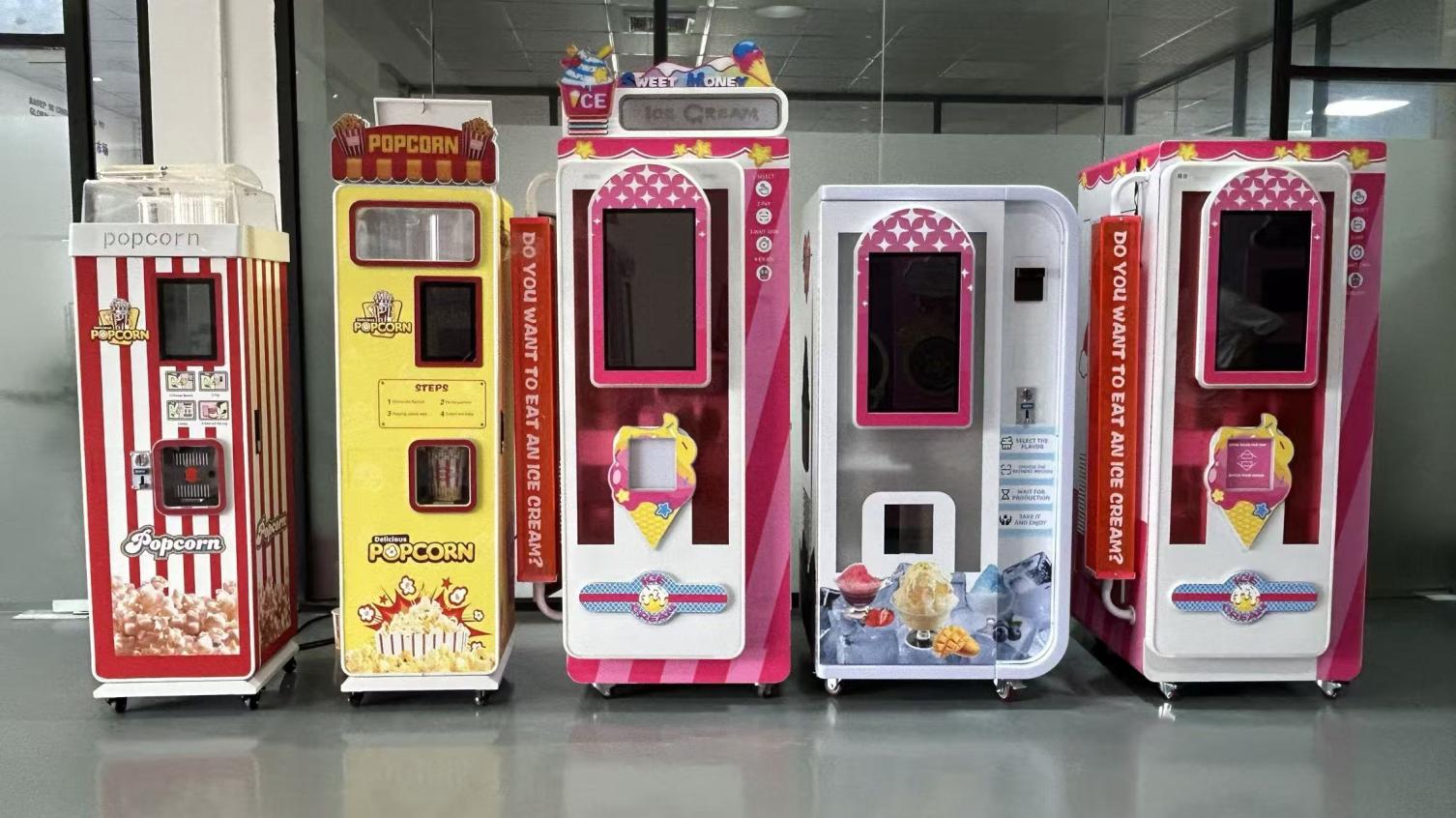
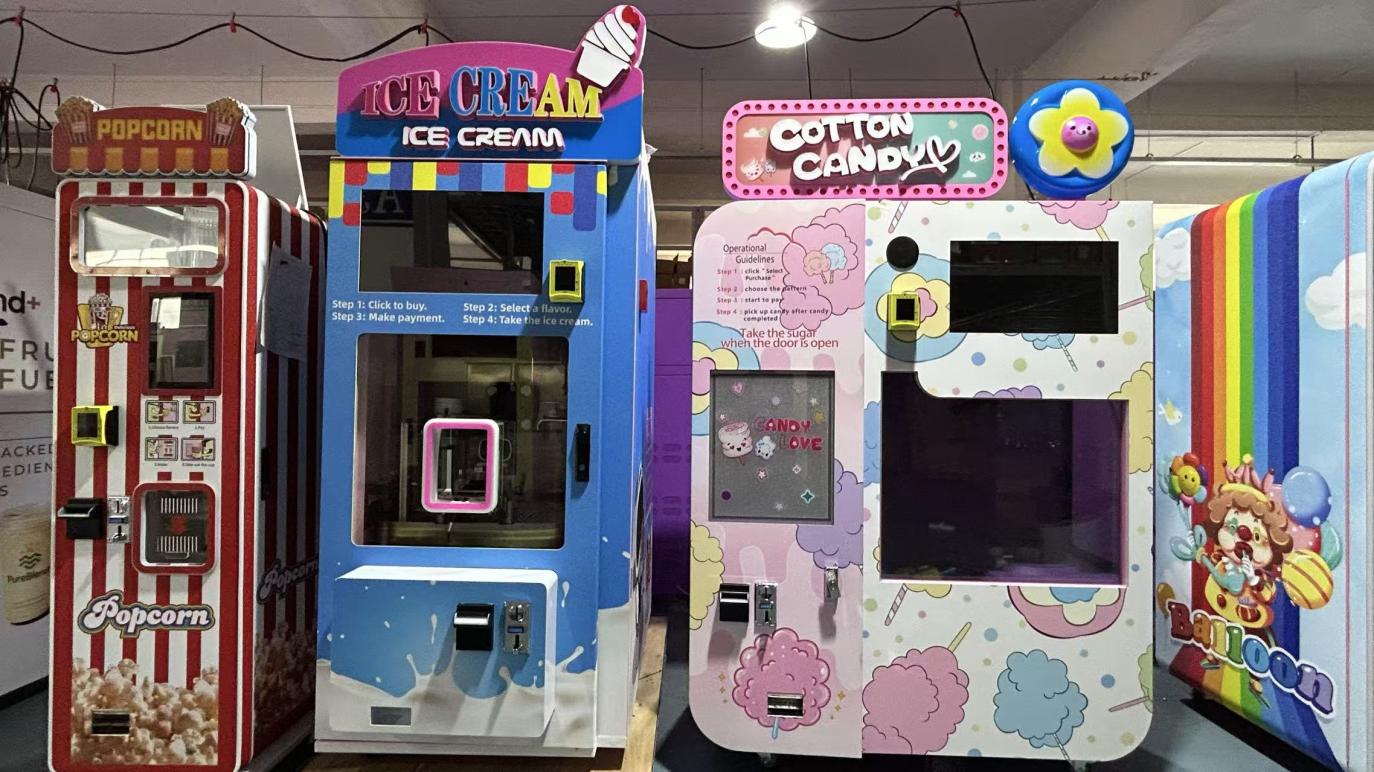
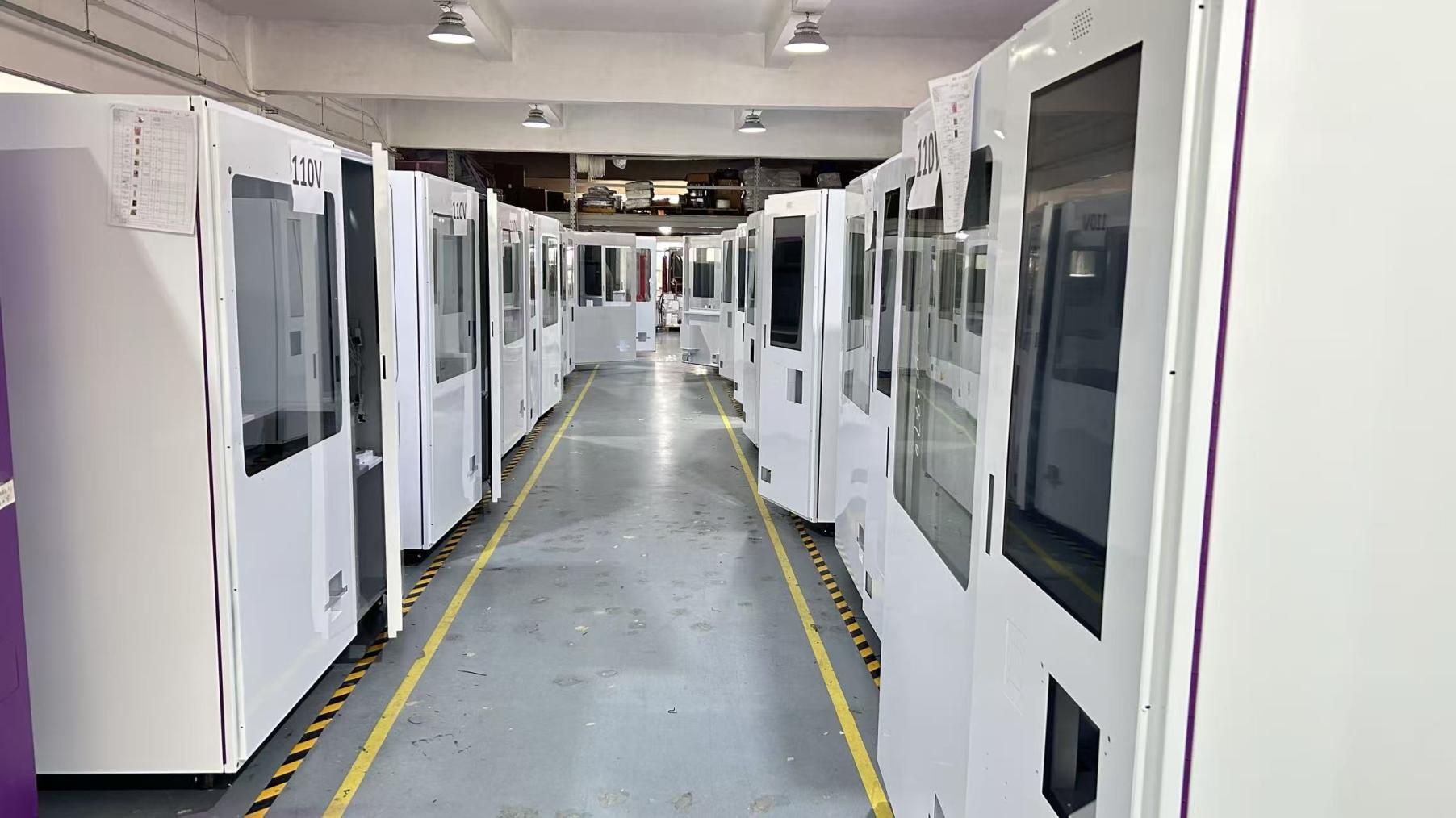
Our centralized facility is structured to deliver rapid-turnaround OEM/ODM manufacturing and complex system design.
We maintain structural quality oversight throughout our design and manufacturing processes.
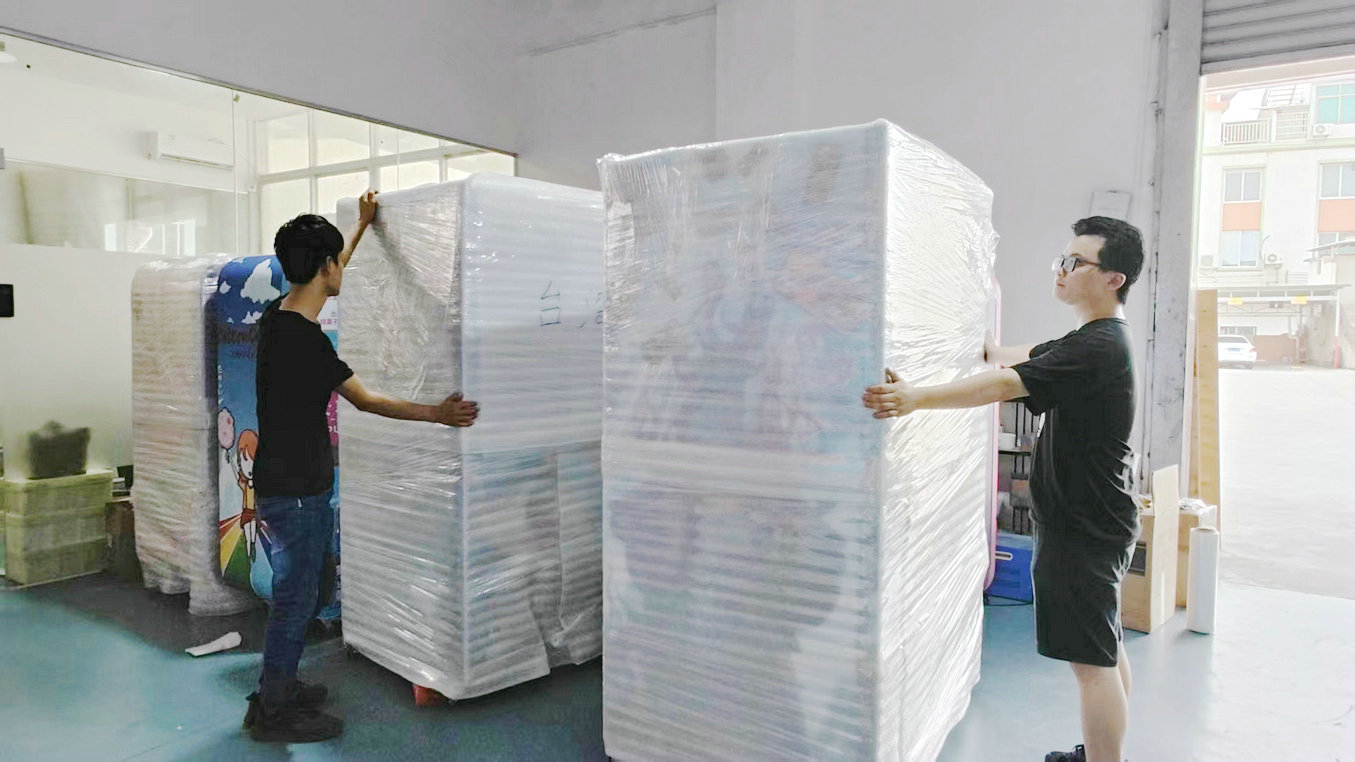
Our logistics networks and export services are optimized for B2B distributors and enterprise buyers.
Our equipment complies with regulatory frameworks across North America, Europe, Oceania, and Asia.
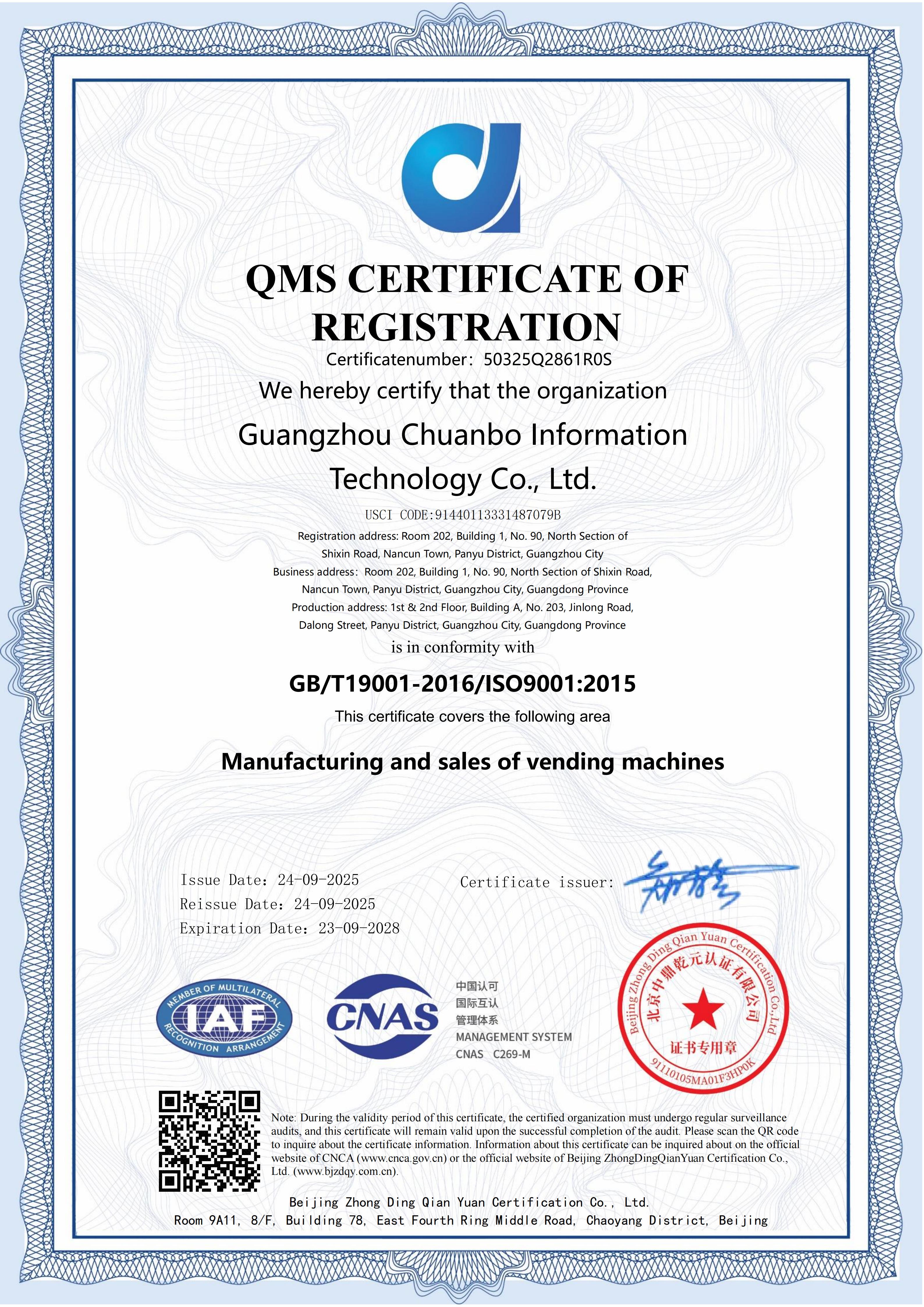
 ISO 9001 Quality System
Reg: 50325Q2861R0S
ISO 9001 Quality System
Reg: 50325Q2861R0S
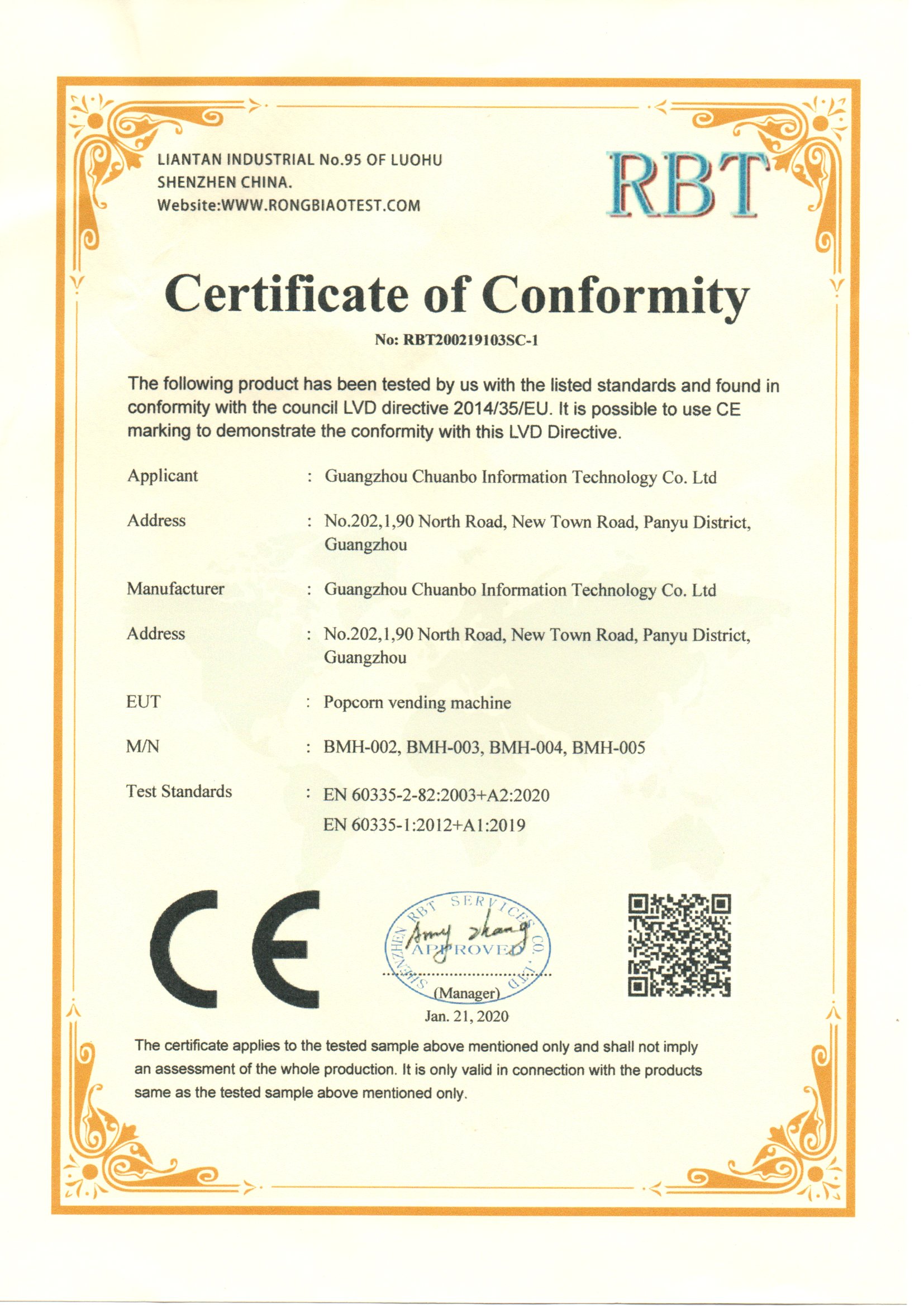
 CE Machinery Directive
Reg: RBT200219103SC-1
CE Machinery Directive
Reg: RBT200219103SC-1
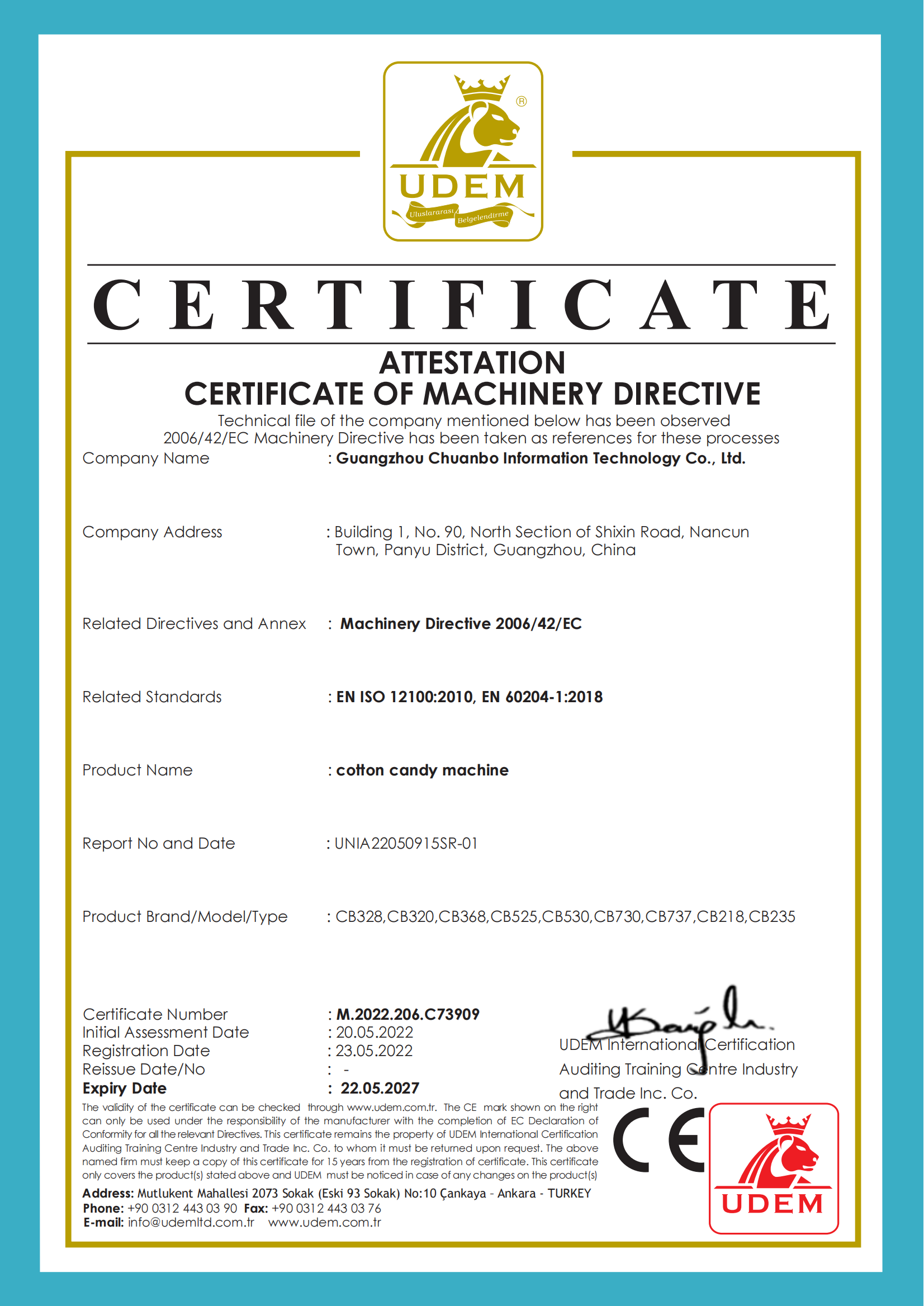 CE Low Voltage
Reg: UNIA22050915SR-01
CE Low Voltage
Reg: UNIA22050915SR-01
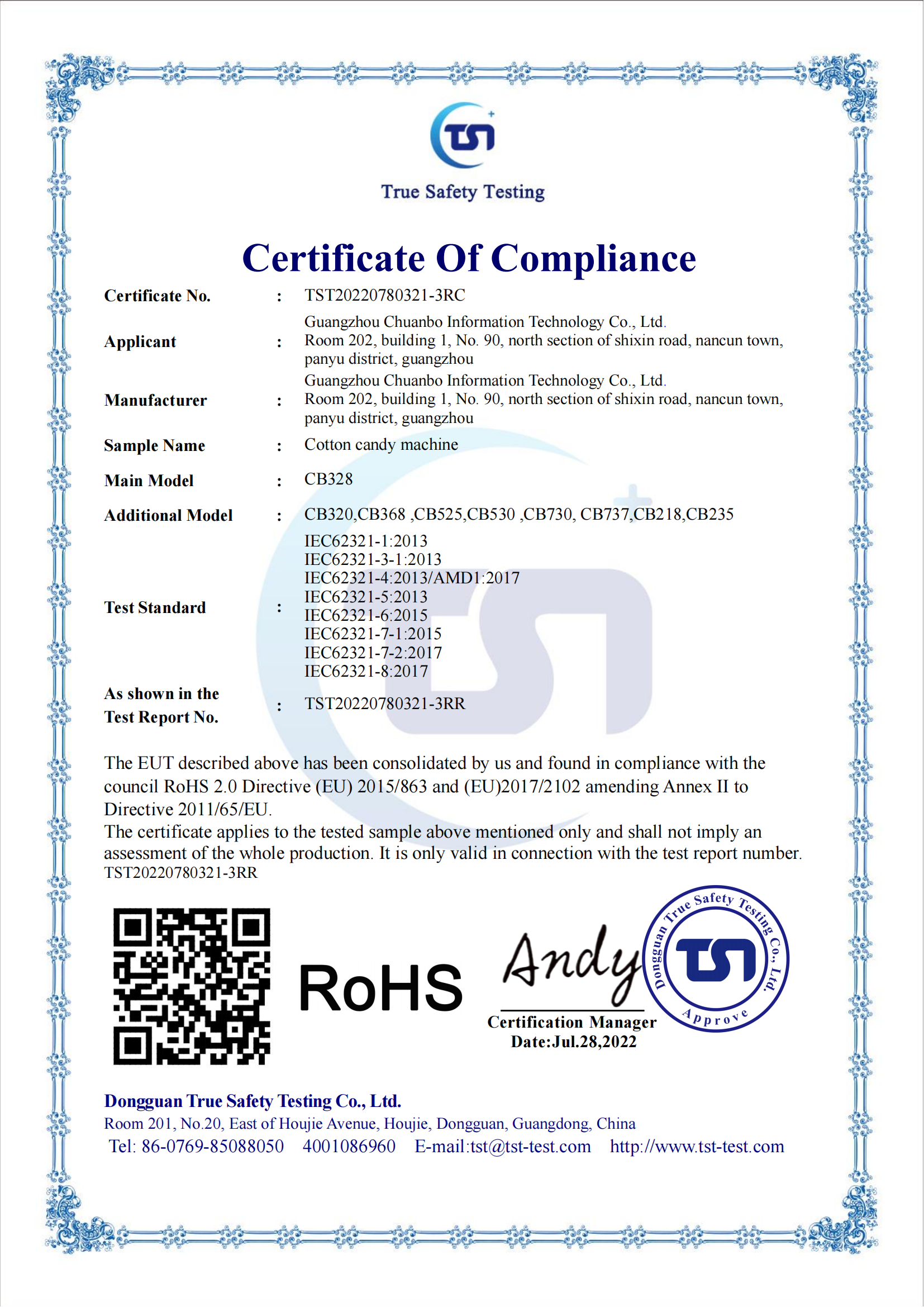
 RoHS Environment Cert
Reg: TST20220780021-3RC
RoHS Environment Cert
Reg: TST20220780021-3RC
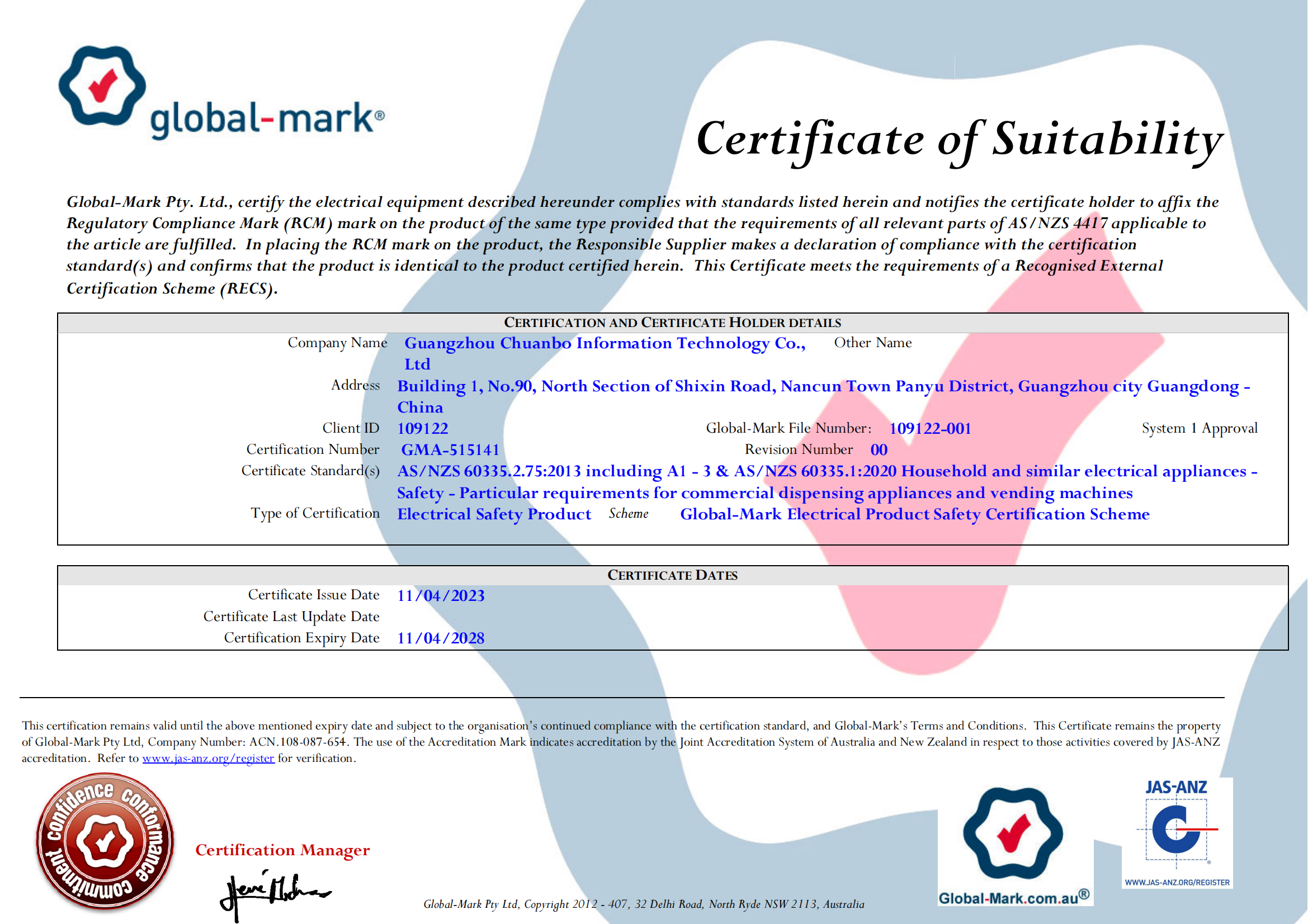
 RCM Oceania Conformity
Reg: GMA-515141
RCM Oceania Conformity
Reg: GMA-515141
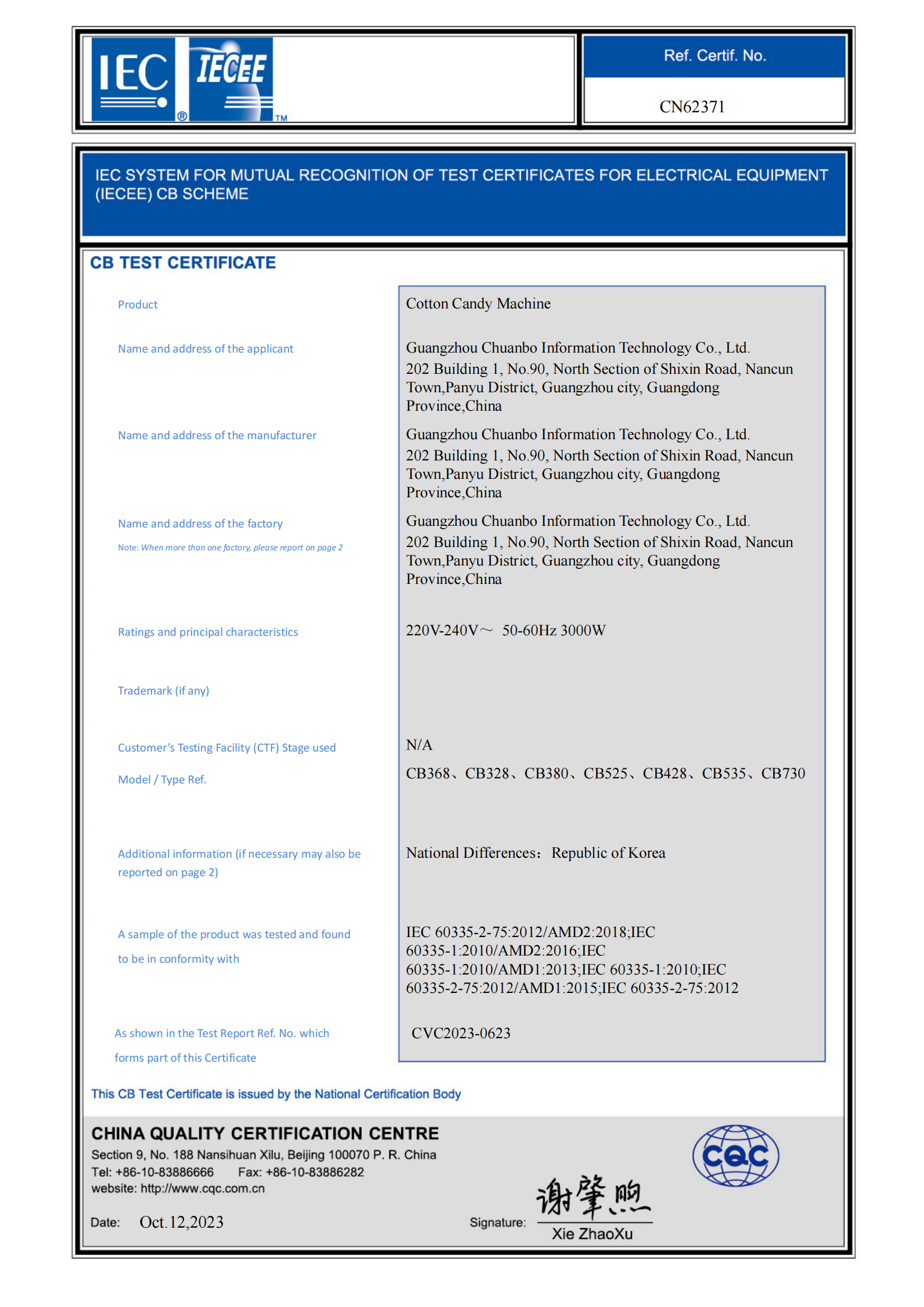
 CB Global Harmonization
Reg: CN62371
CB Global Harmonization
Reg: CN62371
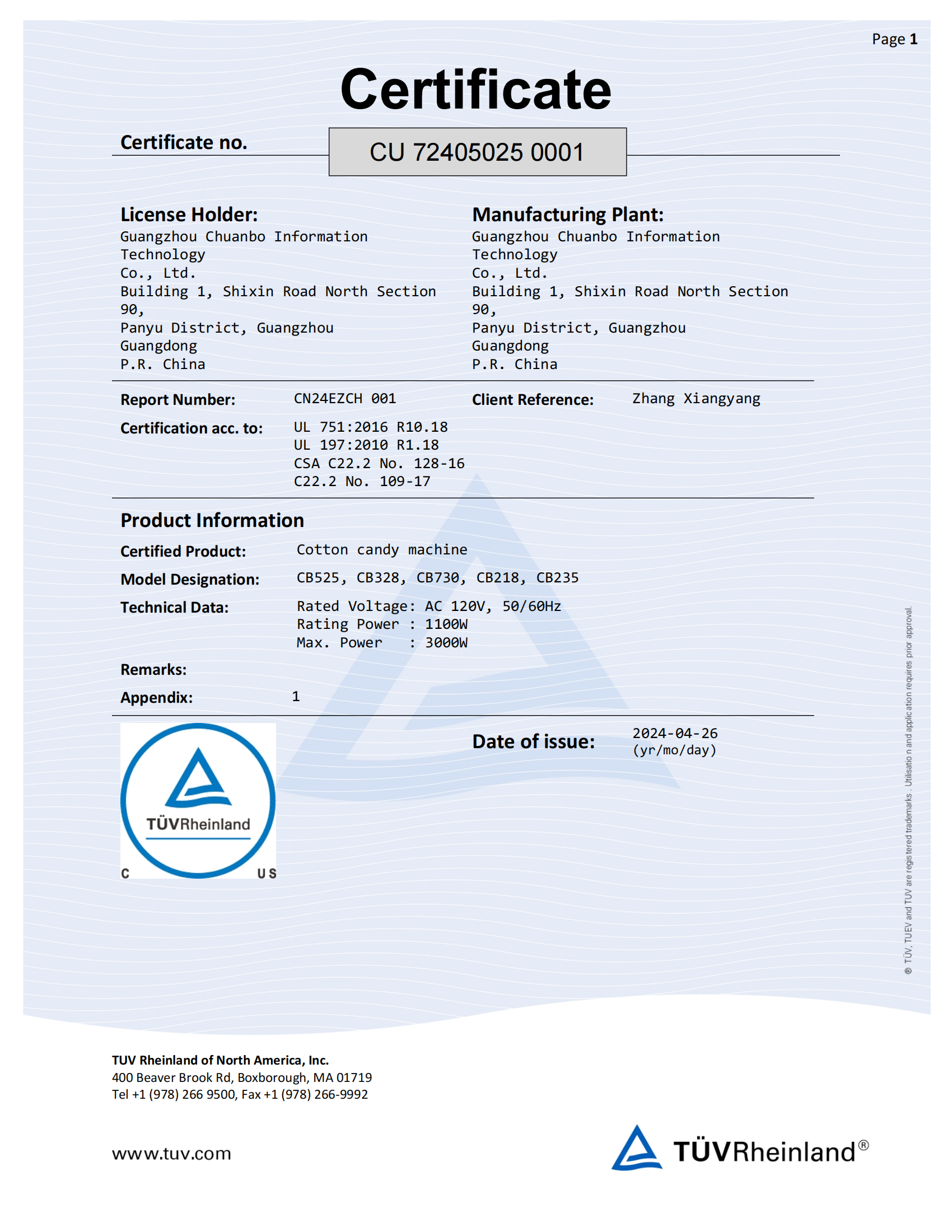
 UL US/Canada Safety
Reg: CU 72405025 0001
UL US/Canada Safety
Reg: CU 72405025 0001
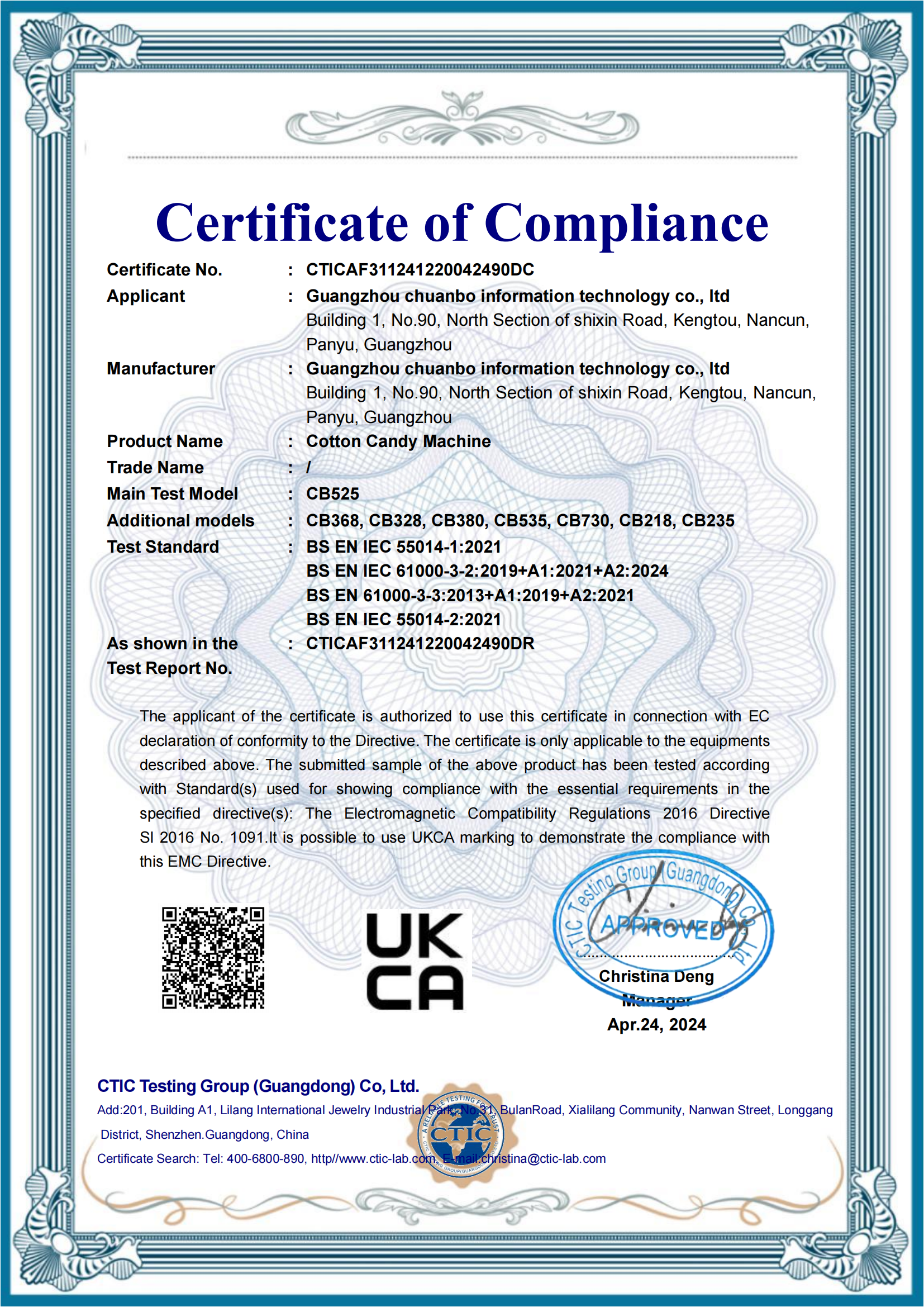
 UKCA United Kingdom
Reg: CTICAF311241220042490DC
UKCA United Kingdom
Reg: CTICAF311241220042490DC
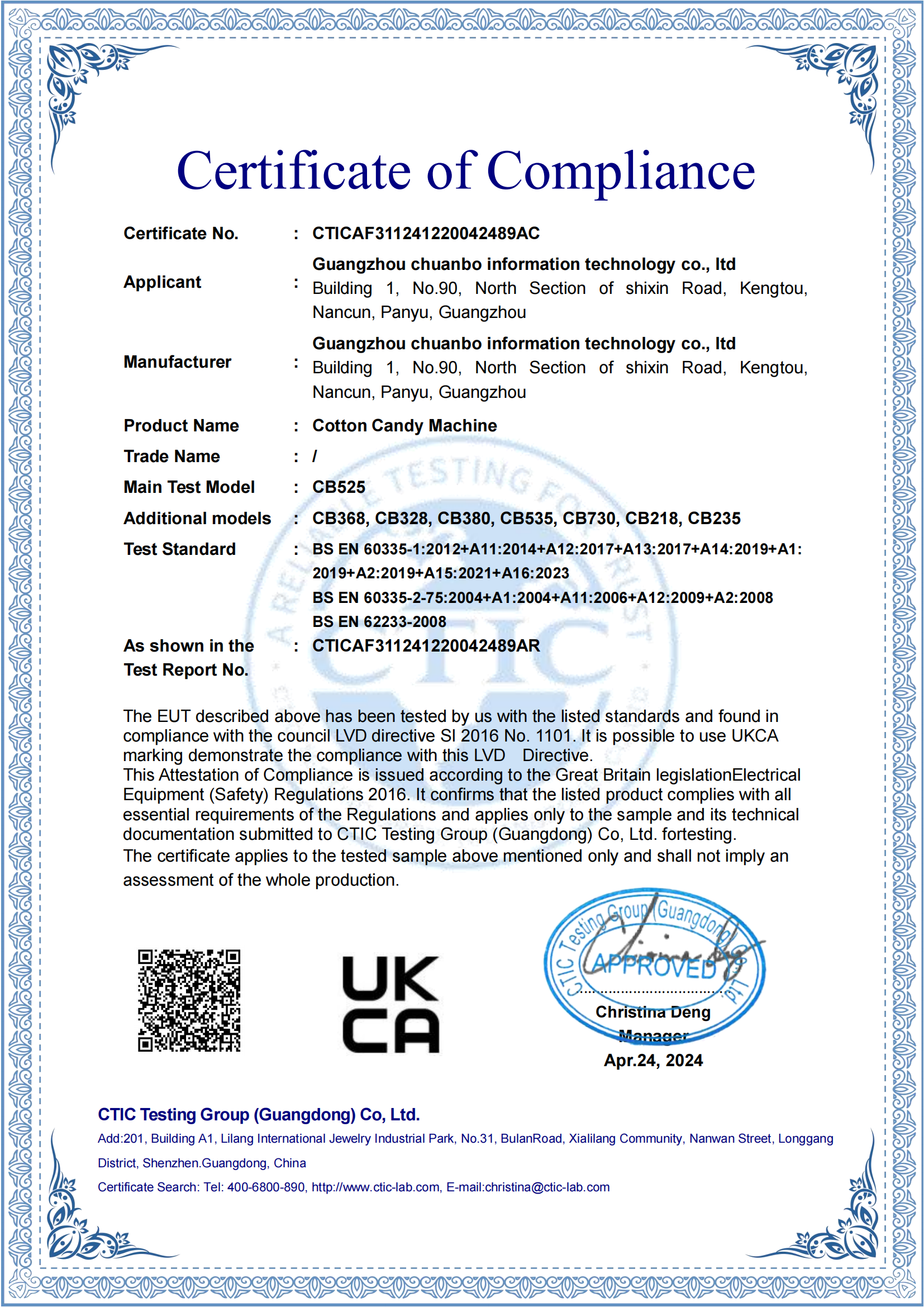 UKCA Electromagnetic
Reg: CTICAF311241220042489AC
UKCA Electromagnetic
Reg: CTICAF311241220042489AC
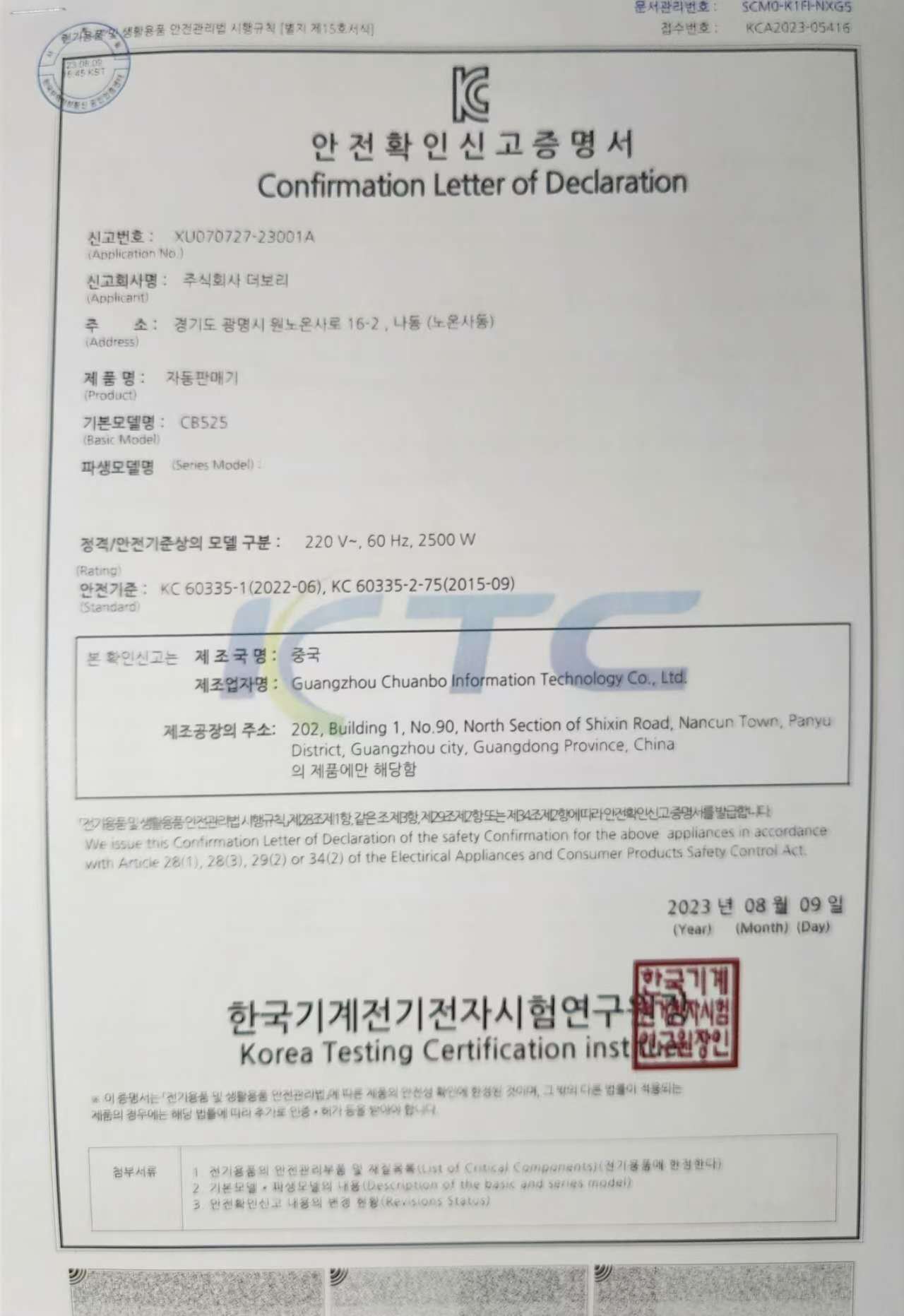
 KC Korean Standards
Reg: XU070727-23001A
KC Korean Standards
Reg: XU070727-23001A
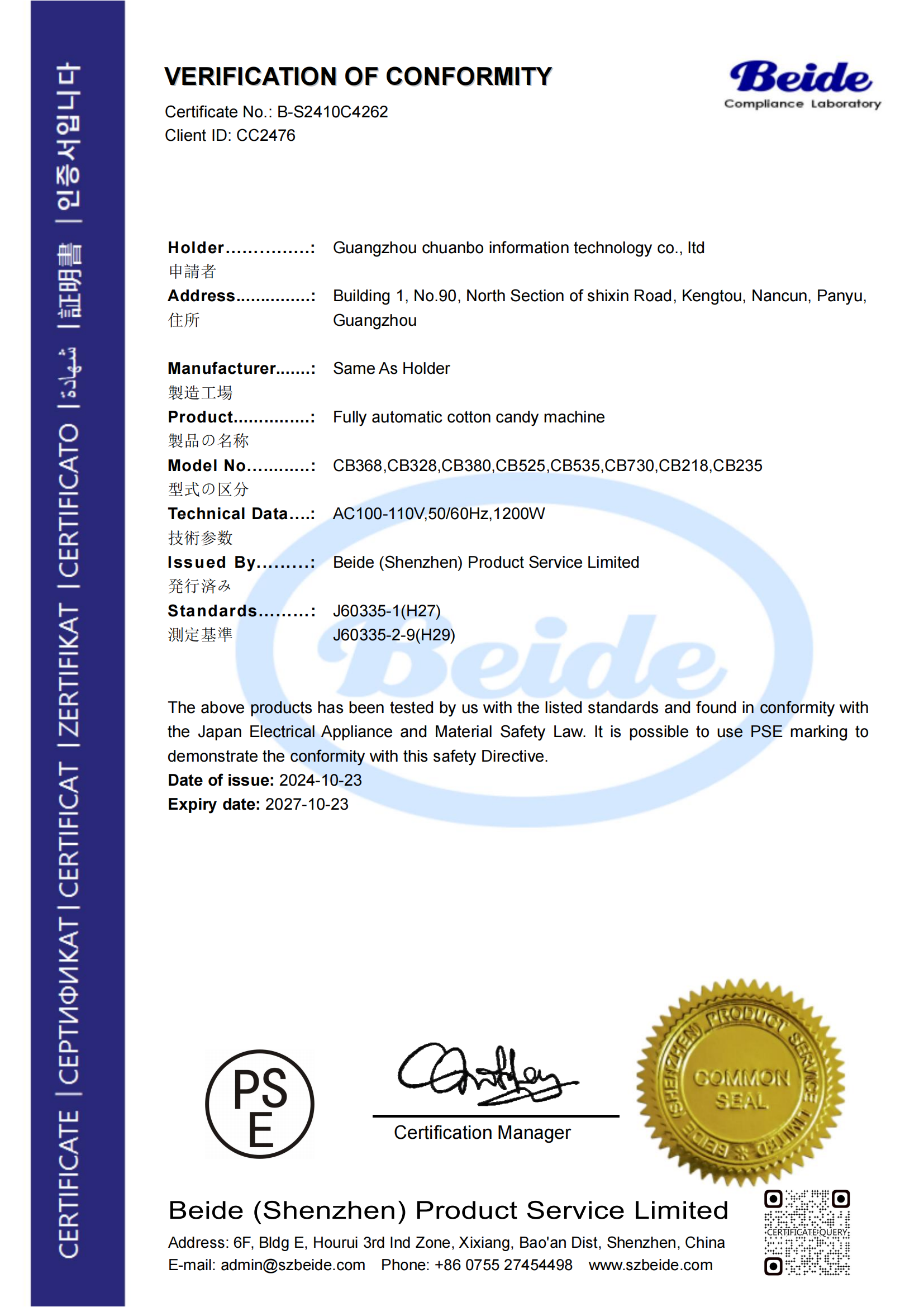
 PSE Japanese Safety
Reg: B-S2410C4262
PSE Japanese Safety
Reg: B-S2410C4262
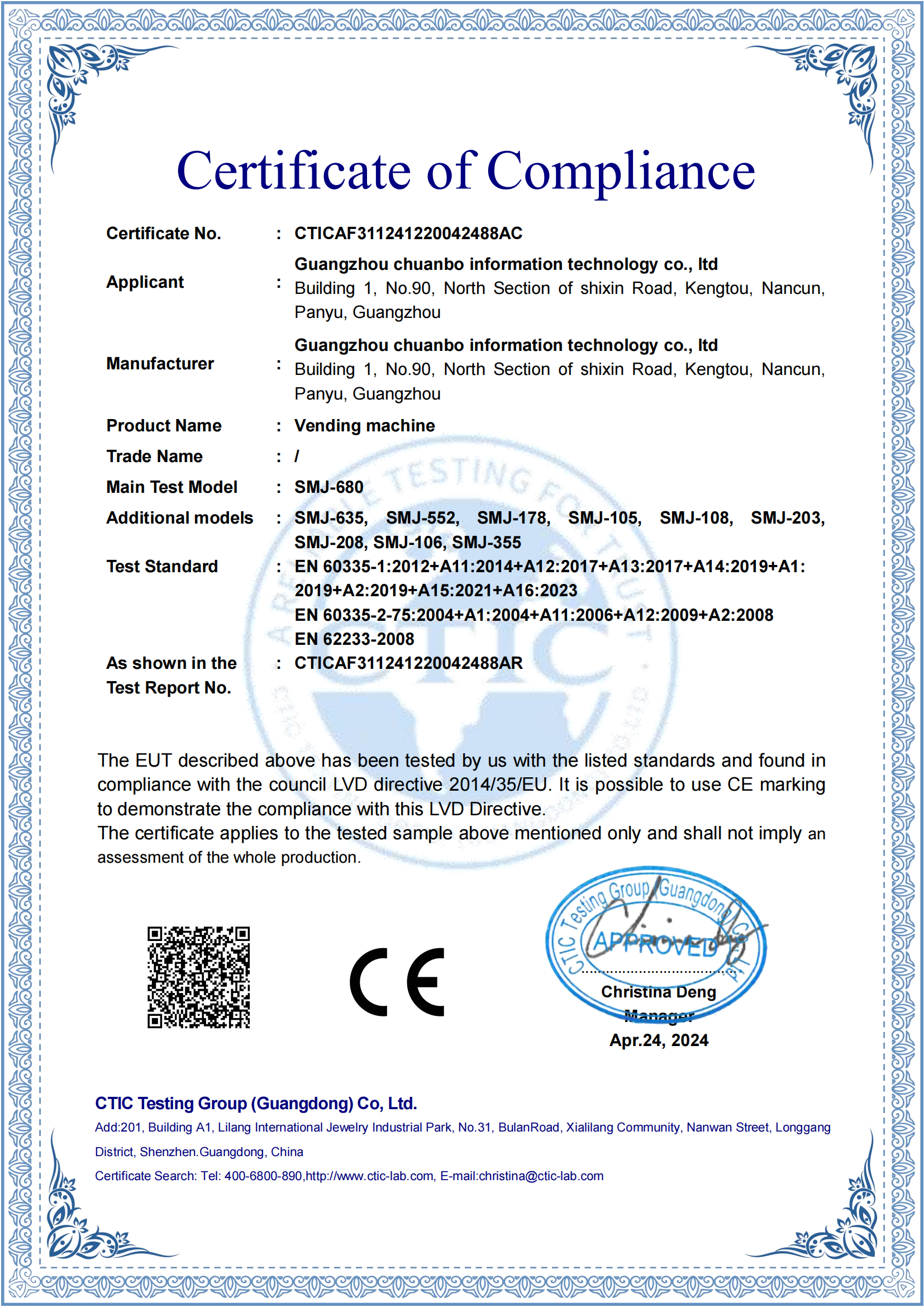 CE Electromagnetic (EMC)
Reg: CTICAF311241220042488AC
CE Electromagnetic (EMC)
Reg: CTICAF311241220042488AC
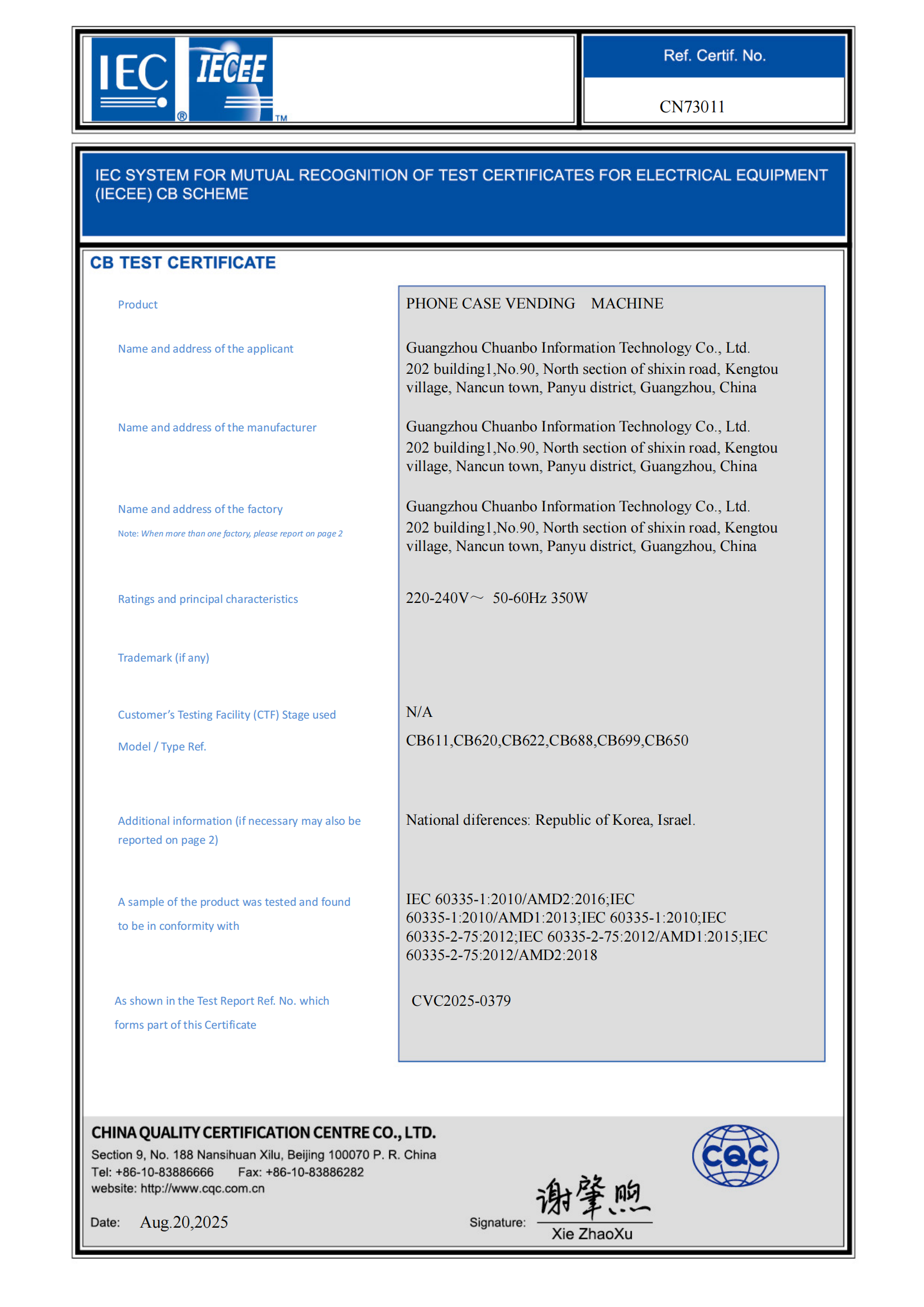 CB Electrical Equivalence
Reg: CN73011
CB Electrical Equivalence
Reg: CN73011
An industrial ice cream mixing station relies on precise thermodynamic and volumetric control. Standard soft serve machines often fail to manage variable loads under extreme ambient temperatures. Our platforms feature high-capacity, hermetically sealed scroll compressors and independent dual-condenser cooling loops. This ensures rapid recovery times and a stable overrun ratio (typically between 35% and 55%) even in warm environments.
Our core design includes:
Operating unattended retail terminals requires integration with localized transaction networks. Our control boards use MDB (Multi-Drop Bus) and Dex protocols to support major payment systems, including coin mechanism acceptors, bill validators, and EMV contact/contactless credit card terminals (such as Nayax, Ingenico, and Pax).
For digital systems, our SDK allows developers to interface with a 21.5" or 32" touchscreen running Android or Windows IoT. This lets operators customize interface graphics, run advertising loops, coordinate real-time ingredient inventory tracking via cloud APIs, and implement remote diagnostic systems.
Exporting food manufacturing equipment requires compliance with international safety standards. The **CE Mark** confirms that our machines meet the safety, health, and environmental requirements of the European Economic Area. This includes compliance with the Low Voltage Directive (LVD 2014/35/EU) and Electromagnetic Compatibility Directive (EMC 2014/30/EU).
Additionally, UL certification facilitates market entry in the United States and Canada by verifying compliance with UL 73 (motor-operated appliances) and NSF/ANSI 6 (commercial food equipment). For the British market, our UKCA certifications ensure compliance with UK safety regulations, while RCM, KC, and PSE certifications support distribution in Australia, South Korea, and Japan, respectively.
To maintain high sanitation standards, our systems feature:
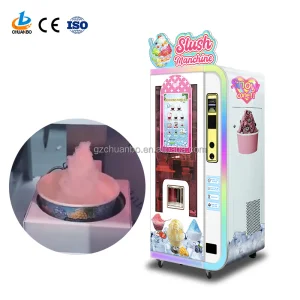
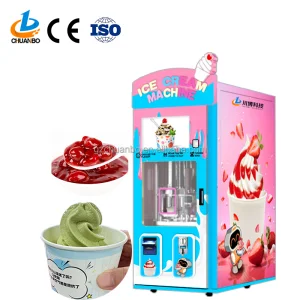
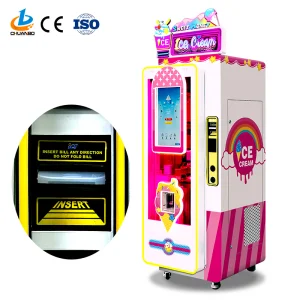
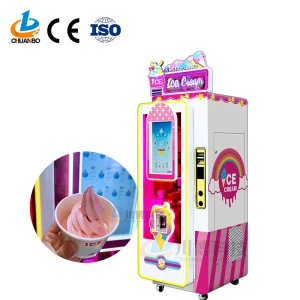
Advanced robotic systems and large-capacity slush kiosks designed for high-throughput commercial applications.
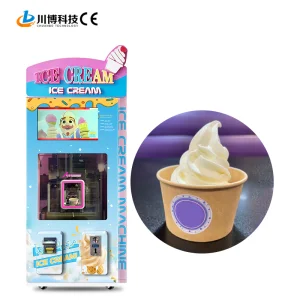
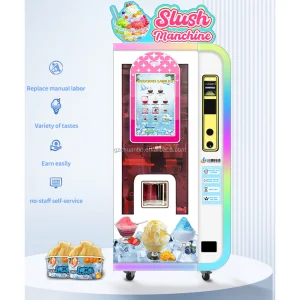
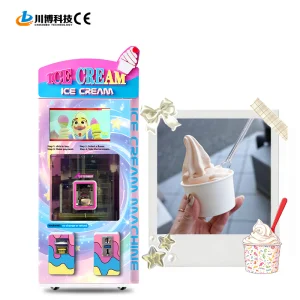
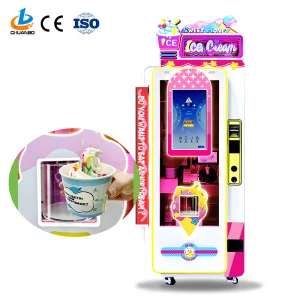
Our engineering team is focused on improving operational efficiency and expanding product features. We are developing solutions designed to lower energy consumption, minimize product waste during maintenance, and simplify operation.
Key R&D targets include:
B2B buyers require reliable service-level agreements (SLA) to minimize equipment downtime. We coordinate with local distributors and service partners in Europe, North America, and South America to ensure access to replacement parts and technical support.
Our support framework includes:
Answers to common questions regarding logistics, technical integration, compliance, and custom manufacturing.