Industry Trends & Localization Deployment
The global ice cream vending and commercial food service market is shifting away from manually refilled, unmonitored systems. Modern operators require intelligent diagnostics, eco-friendly refrigerants, and simplified maintenance routines. Below are the key industry developments that shape our equipment design:
1. Eco-friendly Refrigeration Systems (Transitioning to R290 and R448A)
Global environmental regulations (like the EU F-Gas Regulation and US EPA AIM Act) are phasing out high-GWP (Global Warming Potential) refrigerants like R404A. As an eco-focused manufacturer, we design our cooling and mix storage systems with alternative eco-friendly options like R290 (propane) and R448A. These refrigerants lower power consumption by up to 15% and comply with strict environmental laws worldwide.
2. Localization of Payment and Software Frameworks
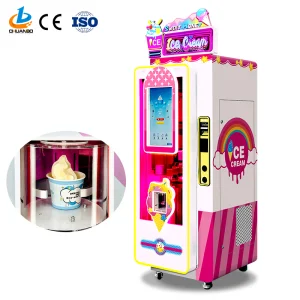
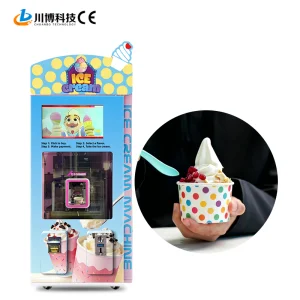
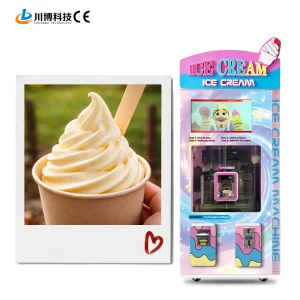
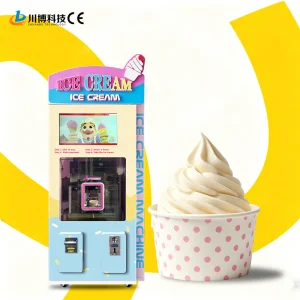
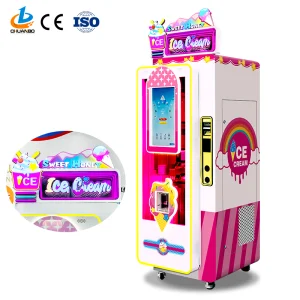
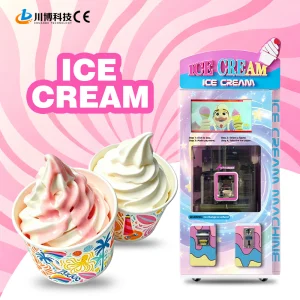
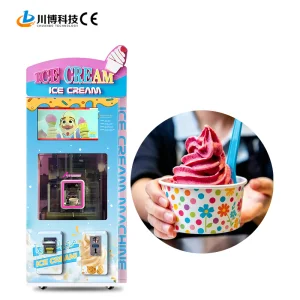
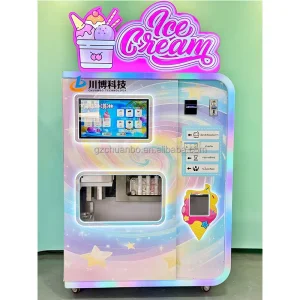
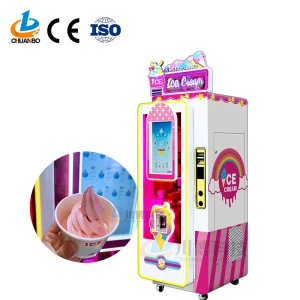
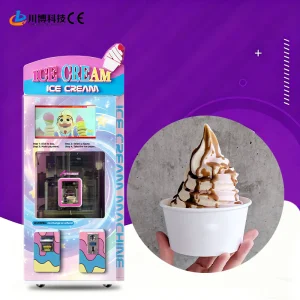
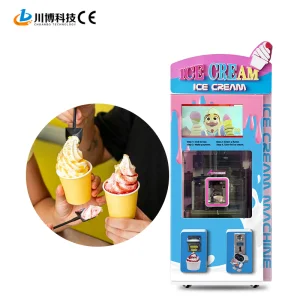
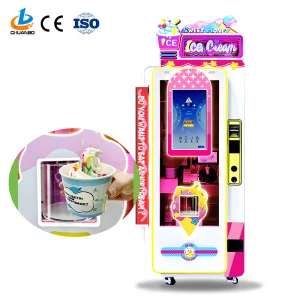
Deploying vending kiosks across different global regions requires reliable localized payment support. Our touch screen soft-serve kiosks are equipped with universal payment modules that support credit cards (EMV certified), bills, coins, and mobile QR codes. We offer deep software integration through Android-based boards, supporting MDB, DEX, and custom API connections. This lets operators link their machines directly to regional telemetry providers like Nayax, Cantaloupe, or local banking systems.
3. High Ambient Temperature Operation (Tropical & Subtropical Climes)
Equipment placed in outdoor parks, beaches, or shopping malls with high glass ceilings must deal with high ambient temperatures. Standard storage hoppers struggle to hold safe internal temperatures when ambient conditions climb past 35°C (95°F). We construct our storage systems with thicker insulating polyurethane walls and heavy-duty, tropicalized condenser units, keeping the dairy mix safely cooled even when outdoor temperatures hit 43°C (109.4°F).
4. CIP (Clean-In-Place) and Pasteurization cycles
Daily manual cleaning is time-consuming and increases the risk of component wear and bacterial contamination. To solve this, our advanced systems feature automated heat-treatment pasteurization cycles. By heating the mix to 65°C for 30 minutes before cooling it back down to 3°C, the equipment can operate safely for up to 14 days before requiring a full manual teardown and wash, lowering maintenance labor costs by 70%.
 CN Soft Serve