CN Soft Serve
Choosing an Ice Cream Display Freezer in 2026 is about more than making flavors look tempting. The right cabinet must keep product visible, hold a dependable serving temperature, and fit the store’s daily routine. A busy scoop shop may need an open dipping cabinet with pans within easy reach. A convenience store might prefer a glass-door merchandiser that helps customers browse packaged treats. Small counters have different limits. Space matters.
Commercial refrigeration specialist Daniel Mercer sums up the decision: “A display freezer should make the product easy to see and serve, without making temperature control an afterthought.” Treat that as a buying test, not a guarantee. Compare chest-style cabinets, upright glass-door units, dipping cabinets, and compact countertop models against your menu and floor plan. Then check practical details: usable pan or basket capacity, lid or door access, cleaning needs, lighting, and how easily staff can restock during a rush. The small details count.
This guide looks at the leading Ice Cream Display Freezer types expected to matter in 2026, and where each one makes sense. It also considers trade-offs that product photos cannot show, such as tight aisles, frequent opening, and awkward cleaning corners. A polished cabinet can still be a poor fit. And specifications alone do not settle every question; actual store traffic and staff habits matter, too. Some choices remain imperfect. That deserves a closer look.
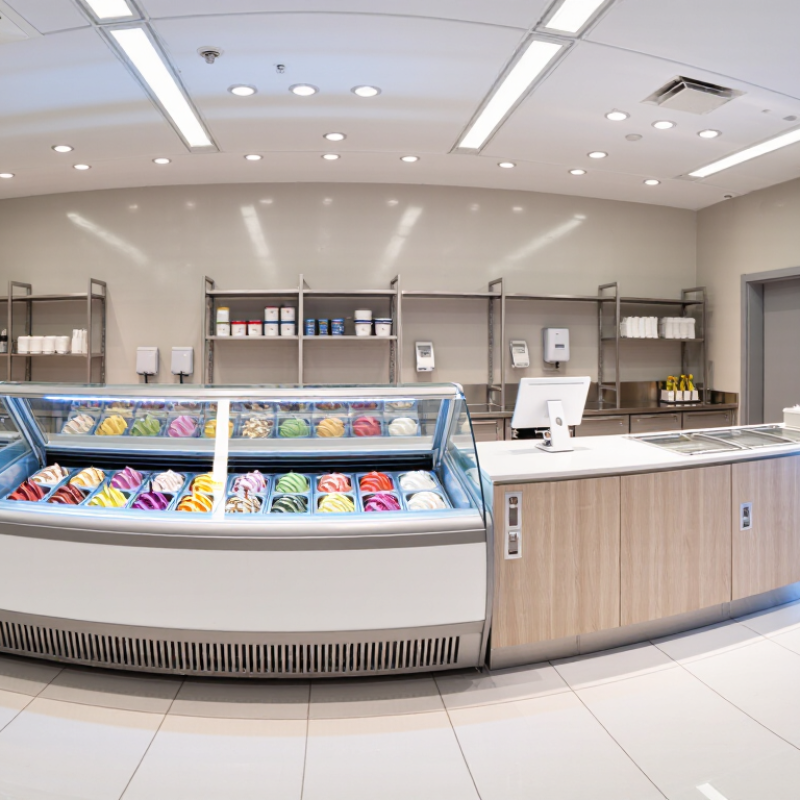
Ice cream display freezers are built to protect texture while making flavors easy to see. The main designs differ in access, visibility, and floor-space use. A chest-style dipping cabinet places tubs beneath curved or flat glass lids. Staff scoop from above, while customers can scan rows of colorful labels. It suits scoop service, but frequent lid opening can admit warm air.
Upright glass-door merchandisers show packaged pints at eye level and use narrow aisles efficiently. They are practical for self-service, though door reflections and crowded shelves can hide products. Island freezers offer access from several sides and work well in open retail areas. Serve-over counters keep tubs behind glass, giving staff control over portions and helping reduce customer contact with stock.
ENERGY STAR’s commercial refrigeration guidance reports that certified commercial freezers use about 20% less energy than standard models. That figure makes cabinet insulation, efficient lighting, and door seals worth checking alongside appearance. The exact benefit depends on model and operating conditions.
There is no perfect layout. Operators sometimes overvalue glass area and undercount warm-air exposure near entrances. A small trial with the intended menu can reveal awkward sightlines, slow service, or lids that stay open too long.
Glass-door upright freezers make packaged ice cream easy to see without opening the cabinet. Clear visibility can help shoppers compare tubs, bars, and multipacks quickly. That matters in busy stores, where open doors can let warm air enter. A well-arranged cabinet also keeps flavors from disappearing behind taller cartons.
Look for adjustable shelves that fit different package heights, plus bright, even lighting that does not create harsh glare. Check the stated temperature range and use an independent thermometer to monitor actual conditions during normal service. Frequent door openings, a crowded display, or blocked air vents can affect cooling performance. Small details matter. Leave space around the freezer as its installation instructions specify, and inspect door seals for gaps or condensation.
Before choosing a size, measure the aisle, doorway, and planned display area. Then estimate stock based on delivery frequency, not just the cabinet’s advertised capacity. A freezer packed to the glass may look full, but shoppers need room to view labels and staff need access for restocking. Glass can fog in humid conditions, too; anti-fog features may help, but their performance varies. I would not assume every cabinet handles a warm, high-traffic shop equally well, so check operating guidance and service access before purchase.
Chest and island freezers remain practical choices for self-service ice cream displays in 2026. Their low, open layout lets shoppers scan tubs quickly and reach popular flavors without staff assistance. A chest-style unit usually has sliding glass lids, while an island freezer may offer access from several sides. Both suit busy aisles, though lids and baskets can hide smaller tubs.
Energy use deserves attention. ENERGY STAR’s commercial refrigeration guidance reports that certified commercial refrigerators and freezers use about 20% less energy than standard models. Check the specific unit’s certification and rated consumption; the figure is not a guarantee for every freezer. Top-opening lids can also help limit cold-air loss during brief customer access. Still, glass may fog in humid stores, and deep baskets can make flavors harder to find. That trade-off matters.
Tips: Keep frequently chosen flavors near the top, leave clear space around vents, and check product temperatures during peak traffic. Record readings, not guesses. Review the display from a child’s eye level too; labels that look clear to staff may be difficult for customers to read. A neat layout helps, but it will not fix poor temperature control.
Dipping cabinets keep scooped ice cream visible and within easy reach. Many models use separate wells for flavor pans, with curved or flat glass to help customers see the selection. Choose a cabinet that fits your menu and service pace, not just the available floor space. A busy shop may need room for extra pans and clear access for staff. Small details matter.
Check how easily the cabinet holds a steady temperature during frequent opening. Use a suitable thermometer and follow the equipment instructions and local food-safety guidance. Sliding lids can help limit warm-air exposure when the cabinet is not in active use. Look for accessible drainage, removable parts, and surfaces that staff can clean thoroughly. These details affect daily upkeep as much as appearance does.
Before buying, measure doorways and the route into the serving area; a cabinet that fits the counter may not fit through the entrance. Also consider sightlines, lighting, and the height of the serving edge. A display that looks impressive can still slow service if staff must reach awkwardly across it. It is easy to overvalue capacity, too. More pans are useful only when the flavors turn over often enough. Not always. A smaller, well-organized cabinet may suit a focused menu better, though the right balance depends on demand and available space.
| Freezer Type | How It Displays Ice Cream | Access and Serving Style | Main Advantages | Points to Consider | Best Suited For |
|---|---|---|---|---|---|
| Curved-Glass Dipping Cabinet | A curved glass shield gives customers a view of the tubs arranged in a horizontal cabinet. | Staff serve scoops from the customer-facing service side. | Prominent product visibility and a familiar presentation for scoop shops. | Requires counter space and regular cleaning of the glass and service area. | Ice cream parlors and dessert counters where visual presentation is a priority. |
| Flat-Glass Dipping Cabinet | Flat glass panels provide a direct view of the displayed tubs. | Staff access the ice cream from the service side, while customers view flavors through the glass. | A simple, clean-lined display that can suit contemporary counter layouts. | Check sightlines, lighting, and condensation management in the intended installation area. | Retail counters seeking a straightforward, glass-fronted scoop display. |
| Pozzetti-Style Cabinet | Ice cream is held in round wells beneath individual lids rather than displayed behind a continuous glass shield. | Staff lift a lid to serve each flavor. | Covered wells limit direct exposure of the product between servings and create a distinctive gelato-style service format. | Customers may not see every flavor as clearly; menu labels or flavor cards can help. | Gelato shops and businesses emphasizing a covered-well presentation. |
| Glass-Top Chest Display Freezer | A horizontal chest cabinet displays packaged frozen desserts or tubs through a glass top. | Typically accessed from above, either by staff or customers depending on the design. | Useful for self-service packaged products and compact retail displays. | Less suited to frequent staff scooping than a dedicated dipping cabinet; confirm the intended serving format. | Convenience stores, grocery settings, or businesses selling packaged frozen desserts. |
| Countertop Display Freezer | A smaller glass-front or glass-top unit presents a limited selection at counter height. | Access depends on the model; units may be designed for staff service or packaged-product selection. | Can add a frozen-dessert display where floor space is limited. | Display capacity is generally more limited than that of a full-size cabinet; verify usable pan or package capacity. | Cafés and small counters offering a focused selection. |
| Hardening or Storage Freezer | Designed primarily to freeze or hold product, rather than present it to customers. | Staff retrieve product for replenishing a separate serving cabinet. | Supports back-of-house storage and helps keep reserve product separate from the display. | Usually lacks the customer-facing visibility and serving access of a dipping cabinet. | Businesses that need additional frozen storage alongside a display cabinet. |
Selection note: Cabinet capacity, pan compatibility, operating temperature, and installation requirements vary by model. Check the equipment specifications and follow the manufacturer’s guidance and applicable food-safety requirements for frozen storage and service.
Serve-over freezers suit ice cream shops where staff scoop each order. Customers can see the flavors through clear glass, then ask questions before choosing. That human step matters. Staff can recommend a pairing, manage portions, and keep serving utensils organized. A row of tubs also makes color and texture part of the display.
Choose a unit with a viewing area that stays clear during busy service. Check its stated operating range, usable tub capacity, and airflow requirements against the room and expected workload. Leave space for staff to lift lids and reach tubs without awkward twisting. Details add up. A freezer that looks generous may feel cramped once scoops, toppings, and customer orders compete for counter space.
There is a trade-off, and it is easy to underestimate. Staff-assisted service gives better control, but it takes time and consistent attention. Frequent lid opening can affect temperature, so monitor the cabinet and follow the equipment maker’s care guidance. Wipe condensation promptly; cloudy glass hides the flavors. A simple layout usually helps more than a crowded display, though the perfect arrangement may take a few tries.
Example pan-count configurations for staff-assisted sales
Serve-over cabinets are available in a range of sizes, from compact countertop units to larger multi-pan displays. The pan counts shown are example configurations, not fixed industry standards; actual capacity depends on cabinet design and pan size.
It holds tubs beneath curved or flat glass lids. Staff scoop from above. Frequent opening can let warm air in.
They display packaged pints at eye level and fit narrow aisles. Reflections or crowded shelves can hide products.
It allows access from several sides, making it useful in open retail areas. Leave room for customers to move around it.
Staff serve portions from tubs behind glass. They can answer questions and keep utensils organized. It takes time.
Compare its operating range, usable capacity, and airflow needs with the room and expected workload. Check staff access, too.
Warm air may enter the cabinet and affect temperature. Monitor conditions during busy periods. Easy to overlook.
Not necessarily. Condensation can cloud the glass, and crowded layouts can hide flavors. Wipe condensation promptly.
Try it with the intended menu. Check sightlines, serving space, and how long lids stay open. The first layout may feel awkward.
Certified commercial freezers use about 20% less energy than standard models, according to the article. Actual savings depend on the unit and operating conditions.
Choosing the right Ice Cream Display Freezer depends on how products are presented and served. Glass-door upright freezers keep packaged ice cream visible and organized while making efficient use of vertical space. Chest and island freezers offer broad, easy-to-browse displays suited to customer self-service, while dipping cabinets are designed to keep tubs of ice cream accessible for scooping.
For businesses where staff serve customers, serve-over freezers provide a clear view of available flavors while keeping the serving process convenient and orderly. Each design supports a different sales style, so factors such as product format, customer access, available floor space, and serving method can guide the choice. Understanding these main types makes it easier to select a freezer that presents ice cream attractively and fits day-to-day operations.
