CN Soft Serve
The ice cream truck business is experiencing a remarkable revival, especially in 2026. According to industry reports, the mobile ice cream market is projected to grow continuously. This promising growth creates a vibrant opportunity for aspiring entrepreneurs. With a diversified product range, ice cream trucks can cater to various customer preferences.
However, starting an ice cream truck business is not without challenges. Competition is fierce, and understanding your local market is crucial. Identifying strategic locations with high foot traffic is essential for success. Moreover, maintaining quality and consistency in your products builds customer loyalty.
While many entrepreneurs focus solely on profit, it's important to think about community engagement as well. Organizing events or collaborating with local businesses can enhance brand visibility. Reflecting on these aspects can shape a unique identity for your ice cream truck. Balancing creativity with operational strategies can lead to a fulfilling venture in this sweet industry.
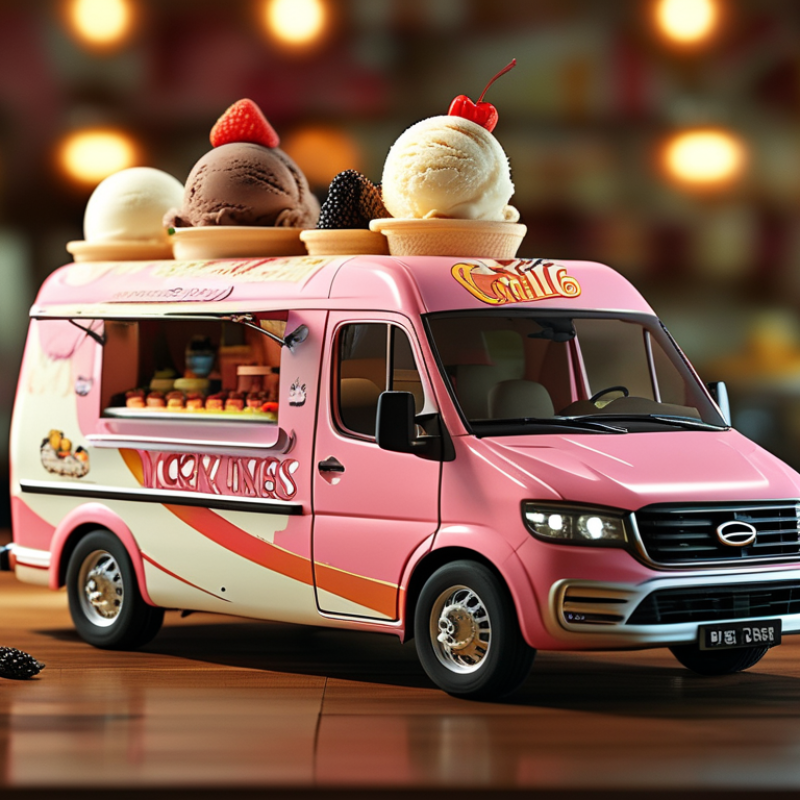
Understanding the Ice Cream Truck Business Model for 2026 requires a deep dive into its evolving landscape. The business hinges on local demographics, seasonal trends, and marketing strategies tailored to the community. In 2026, factors such as social media engagement will be crucial. Customers now seek experiences, not merely products. An interactive approach can make your ice cream truck a local favorite.
Key elements of the model include the selection of products. Premium ingredients will attract health-conscious consumers. Offering vegan or gluten-free options is increasingly important. Your menu needs to reflect community preferences. Many business owners overlook the impact of location and timing. Operating in parks, events, and busy neighborhoods is vital. Flexibility in hours boosts visibility and sales.
Furthermore, technology integration will shape operational efficiency. Using apps for tracking sales and inventory can streamline processes. Customer engagement through apps can also enhance loyalty. However, it's essential to maintain personal interaction. Many business owners find it challenging to balance tech and face-to-face service. Reflecting on customer feedback can lead to meaningful changes. The ice cream truck business is about connecting with your audience in a delightful way.
As the ice cream truck business evolves, understanding market trends is crucial. The demand for unique flavors is rising. Consumers seek innovative combinations that surprise their taste buds. Think lavender-infused vanilla or spicy mango chili. These unexpected flavors can set your truck apart.
Focus on health-conscious options too. Vegan and dairy-free ice creams are gaining traction. Many people are choosing plant-based diets. Offering these alternatives can attract a broader audience. Transparency about ingredients is essential. Customers want to know what they’re consuming.
However, not all trends are guaranteed successes. Some flavors may not resonate with your local market. Testing your offerings is key. Gather feedback from taste tests. Maintain a flexible menu based on consumer preferences. This responsiveness can help you adapt quickly and effectively. Exploring these trends can guide your decisions and shape your unique identity.
Starting an ice cream truck business requires careful planning and compliance with legal requirements. Licensing is essential. Each state has different regulations. Research your local requirements thoroughly. You may need a food service license. Health department permits are also necessary. Check for zoning laws that apply to your desired routes.
Permits can be complex. Expect to navigate multiple applications. Each city or county might have specific permits for mobile food vendors. This can feel overwhelming. Networking with other food truck owners can provide insights. They often share valuable tips from their experiences.
Insurance is another critical aspect. It protects your business from potential liabilities. Seek comprehensive coverage that includes general liability and property damage. Your insurance agent can help tailor a policy to your needs. However, understand that costs may vary widely. It’s wise to compare quotes from different providers. Being well-informed can guide your choices.
This chart illustrates the projected revenue for an ice cream truck business throughout the year 2026, highlighting peak months during the summer and lower earnings during the winter. Proper planning and understanding of seasonal variations are crucial for success in this venture.
Sourcing ice cream products and equipment for your truck is crucial to success. Start by researching local suppliers who offer a variety of flavors and ingredients. Look for suppliers that prioritize quality. Fresh, high-quality ingredients can set your business apart. Consider sourcing dairy and non-dairy options to cater to diverse customer preferences. Evaluate not just price, but the quality and reliability of these products.
Next, focus on your truck's equipment. Invest in a good freezer to keep your ice cream at the optimal temperature. A well-functioning machine is essential, but don’t overlook smaller tools. Scoops, cups, and napkins may seem trivial, yet they play a big role in customer satisfaction. Think about your layout to ensure efficient service during peak hours.
Remember, this process might involve trial and error. You may initially be overwhelmed by choices. It’s okay to revisit suppliers or reconsider purchases. Building relationships with reliable partners will take time. They can provide valuable insights into trending flavors and products. Always be open to feedback from customers. Their preferences can guide your sourcing decisions and ultimately help your business thrive.
Starting an ice cream truck business in 2026 requires effective marketing strategies. Attracting customers is vital for your venture's growth. According to industry reports, the mobile food service market, including ice cream trucks, is expected to grow by 7.5% annually.
Social media plays a crucial role in modern advertising. Platforms like Instagram and TikTok attract a younger audience. Engaging visuals of your ice cream offerings can drive interest. Posts featuring unique flavors or promotions invite customer interaction. Surveys show that 62% of consumers are more likely to visit a business with active social media.
Local partnerships can enhance your visibility. Collaborating with schools or community events boosts brand awareness. Offering discounts for large groups can encourage bulk sales. While these strategies work, they require consistent effort and creativity. Sometimes, what worked last season may not resonate as well now. Analyzing customer feedback is essential to refine your approach.
| Marketing Strategy | Description | Estimated Cost | Timeframe | Effectiveness |
|---|---|---|---|---|
| Social Media Marketing | Utilize platforms like Instagram and Facebook to showcase products, engage with customers, and promote specials. | $200/month | Ongoing | High |
| Local Events Sponsorship | Sponsor local festivals, sports events, or community gatherings to gain visibility and attract customers. | $1,000/event | Varies | Medium |
| Loyalty Programs | Implement a rewards program where customers earn points for each purchase, redeemable for free items. | $150/month | Ongoing | High |
| Seasonal Flavors Launch | Introduce limited-time flavors based on seasons or holidays to create excitement and boost sales. | $300/launch | Seasonal | High |
| Community Engagement | Create partnerships with local businesses and schools for cross-promotion and offer discounts. | $100/month | Ongoing | Medium |
: Consumers are drawn to unique flavors like lavender and spicy mango chili. Health-conscious options are also popular.
Testing flavors through taste sessions can help. Gather feedback to adjust your offerings accordingly.
Licensing varies by state. Research local regulations to ensure compliance with food service and health permits.
Yes, navigating permits can be overwhelming. Each area may have specific requirements for mobile vendors.
Obtain comprehensive insurance for liability and property damage. Compare quotes to find the best coverage for your needs.
Look for local suppliers prioritizing quality and variety. Assess their reliability along with pricing before committing.
A quality freezer is essential. Don't forget smaller tools like scoops, cups, and napkins—they affect customer experience.
Yes, you may feel overwhelmed with options initially. It’s important to revisit suppliers as needed to refine your choices.
Customer preferences can guide your product sourcing. Listen to them to help your business thrive and adapt successfully.
No, not every trend will resonate locally. Evaluating the market and adjusting offerings is vital for success.
Starting an Ice Cream Truck business in 2026 presents an exciting opportunity for entrepreneurs. Understanding the ice cream truck business model is crucial, as it encompasses not only the products offered but also the operational aspects. Entrepreneurs should identify current market trends and consumer preferences, as these insights can drive menu selection and service styles that resonate with customers.
Planning the ice cream truck involves navigating necessary licensing, permits, and insurance to ensure compliance with local regulations. Sourcing quality ice cream products and reliable equipment is vital for delivering a delightful customer experience. Moreover, effective marketing strategies will be essential in attracting customers to your ice cream truck, whether through social media campaigns, local events, or community outreach, ultimately creating a memorable brand presence in a competitive market.
