CN Soft Serve
Choosing the right Coffee Vending Machine is not simply a matter of selecting the lowest price. It is a practical decision involving customer habits, drink quality, maintenance, energy use, and available space. A busy office may need fast service and programmable options, while a small hotel lobby may value quiet operation and an attractive design. The best machine should match real demand, not imagined demand.
Experience matters here. Observe the location during different hours. Count how many people want coffee, which drinks they prefer, and how long they tolerate waiting. A machine serving fifty cups daily may require different brewing capacity than one serving two hundred. Check the bean hopper, water system, cup storage, cleaning cycle, and payment technology. These details affect daily reliability more than glossy advertisements.
Small details matter.
Professional suppliers should explain product specifications, warranty coverage, sanitation procedures, and service response times. Ask how often key parts need replacement. Request evidence of testing, installation support, and after-sales training. Independent reviews can help, but they may not reflect your environment or customer profile. A highly automated model might appear efficient, yet become frustrating if repairs require distant technicians. A simpler machine may perform better in the long term.
There is no perfect choice. Budget forecasts can be wrong, and customer preferences may change. Pilot testing can reduce that risk. Record sales, waste, refill frequency, and user feedback for several weeks. Then compare the results with your original assumptions. A reliable Coffee Vending Machine should deliver consistent beverages, manageable operating costs, and a service experience people trust.
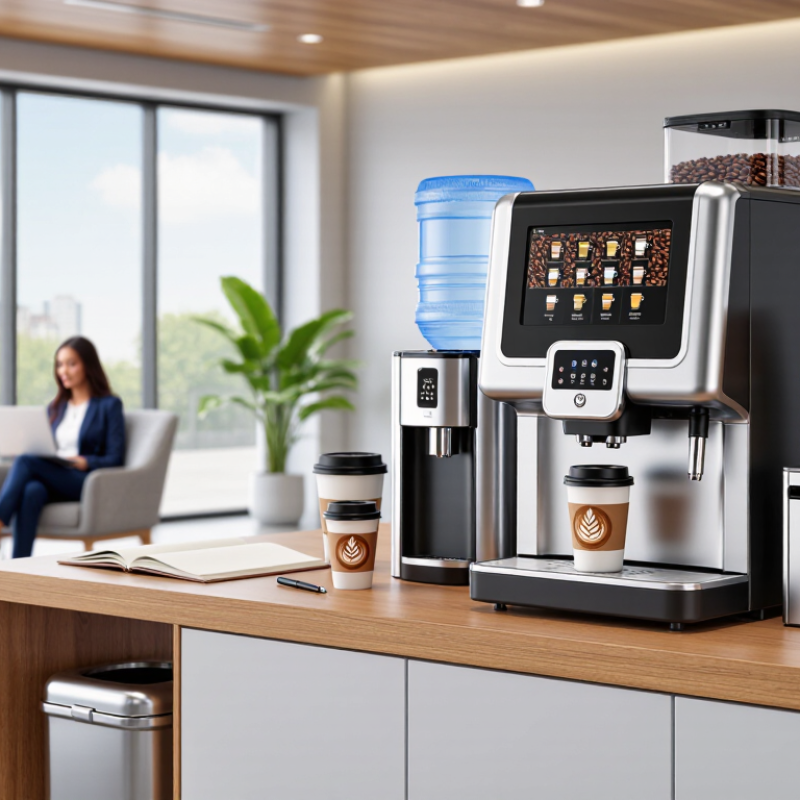
Demand should be measured before machine capacity. Start with a realistic target of 30–60 cups during each peak hour. A machine selling 40 cups from 8:00 to 9:00 a.m. needs faster brewing, larger ingredient hoppers, and reliable payment processing. It should not struggle during a short queue.
Set a daily sales target using observed foot traffic, not optimism. For example, 300 visitors may produce 45–75 coffee purchases, depending on price, location, and waiting time. NAMA’s 2022 Convenience Services Census valued the U.S. convenience services industry at about 26.6 billion dollars, showing strong demand for unattended food and drink access. However, industry revenue does not guarantee success at one site. Local behavior matters more.
Track sales by hour for two weeks. Watch the 7:30–9:30 a.m. period closely. The International Coffee Organization reported global coffee consumption of roughly 177 million 60-kilogram bags in 2022/23, confirming broad coffee demand, but this figure cannot predict one building’s sales. A practical machine should cover the peak target with around 20% spare capacity. That buffer helps when meetings end together or weather changes routines.
A common mistake is choosing the largest machine available. Bigger is not always better. It may waste counter space, electricity, and ingredients. Review refill frequency after installation, and adjust the target when real sales disagree with the original forecast.
Brew speed often decides whether a vending machine succeeds during a busy morning. Instant systems usually serve a cup in 20–30 seconds. They dissolve prepared coffee powder with hot water, creating consistent results with minimal mechanical delay. The flavor can seem lighter, though, especially when the machine uses too much water.
Capsule systems commonly take 30–45 seconds per cup. They offer cleaner portion control and a more defined aroma. However, capsule loading and disposal can slow service during heavy use.
Bean-to-cup machines usually need 45–60 seconds. They grind beans, brew fresh coffee, and may produce a fuller taste. That extra time matters in offices, clinics, and transport areas.
Measure the real serving time, not only the advertised cycle. My first timing test was messy. I forgot to include cup placement and sugar selection. A stopwatch, ten repeated orders, and a full water tank provide better evidence. Check the machine during peak demand, too. One fast cup may hide a slow queue.
Taste, maintenance, and noise also influence the decision. Bean-to-cup models need regular grinder and milk-system cleaning. Instant machines are often easier to maintain. Capsule systems reduce brewing mess but require steady capsule supplies. A 20-second drink is not always better than a 60-second drink. Users may accept a longer wait for fresher coffee, but only when the queue feels controlled.
How to Choose the Best Coffee Vending Machine?
Match Capacity, Power, and Footprint to 100–300-Cup Commercial Operations
A machine serving 100 to 300 cups daily needs more than a large hopper. Measure the busiest hour, not only total daily demand. A 200-cup location may need 40 cups before 10 a.m. Choose a brewer with suitable recovery speed and separate ingredient capacity. Fresh milk systems also require careful cleaning access. Small details affect real service time.
Power planning is equally important. Check voltage, amperage, and the available circuit before ordering equipment. A machine that overloads a shared circuit creates avoidable downtime. In older buildings, an electrician should verify the outlet and grounding. Ask for documented power requirements. Do not rely on a sales estimate alone.
Footprint includes more than the cabinet width. Leave room for door opening, refilling, ventilation, and daily maintenance. A narrow corridor can turn a simple refill into an awkward task. I once measured only the front width, and the service door could not open fully. That estimate was wrong. Allow space for water filtration, waste drainage, and ingredient storage. For 100–300 cups, a compact unit may work well, but only when refill frequency matches staff availability. Test cup placement, payment height, noise, and cleaning steps on site. Operators often discover that the “best” machine is simply the one staff can maintain consistently.
Match capacity, power, and footprint to 100–300-cup commercial operations.
These representative commercial planning benchmarks show how machine requirements typically increase with daily demand. Select a unit with internal capacity above the expected peak period, confirm the available electrical supply, and allow sufficient clearance for refilling, ventilation, and servicing. Actual specifications vary by machine configuration and beverage menu.
Choosing a coffee vending machine requires more than checking brewing speed. Payment reliability deserves equal attention. The Federal Reserve’s 2024 Diary of Consumer Payment Choice reported that cash represented only 16% of consumer payments in 2023. Meanwhile, Worldpay’s Global Payments Report 2024 found that digital wallets handled about 30% of global point-of-sale transaction value.
A machine should support contactless cards, mobile wallets, and secure QR payments. Test the reader beside the machine, not only in a showroom.
IoT telemetry can reveal low ingredients, temperature faults, payment errors, and door openings before customers complain. Useful dashboards should show sales by hour, refill alerts, and failed transaction codes. Ask whether data updates in near real time and whether staff receive actionable alerts.
A silent dashboard is not intelligence.
Be precise with uptime claims. Ninety-nine percent monthly availability still permits roughly 7 hours and 18 minutes of downtime. At 99.9%, that falls to about 44 minutes.
For busy locations, require transaction-level reporting, automatic reconnection, and a safe offline process for temporary network loss. Security matters too; payment data should be tokenized and handled under current payment-card standards.
In field testing, weak cellular signals caused more trouble than expected. That detail is easy to miss.
A realistic pilot, covering morning rushes and empty ingredient bins, may expose flaws that specifications hide.
Compare machines by their total cost over a realistic operating period, not by purchase price alone. Estimate daily cups, then calculate ingredient use per cup, including milk, sugar, cups, and expected waste. Check the machine’s energy rating and measure power use across a normal day if possible. A warm boiler can consume electricity even during quiet hours. Ask suppliers for maintenance schedules and parts costs. Small recurring charges add up.
Tips: Track local electricity rates, ingredient prices, and service visits in a simple spreadsheet. Use conservative sales estimates. For payback, divide the full setup cost by expected monthly net savings or profit. Include rent, payment fees, cleaning time, and downtime. A machine that appears profitable at peak demand may struggle on slow days. My first estimate was too optimistic.
Compare at least two usage scenarios: an average month and a quieter one. Note which figures are estimates, and revisit them after the first few weeks of operation. Real sales patterns can differ from forecasts. That is useful data, even when it is inconvenient. Choose equipment that fits your actual cup volume and service capacity, rather than paying for features you may rarely use.
Track sales by hour for two weeks. Focus on the 7:30–9:30 a.m. rush. A practical starting target is 30–60 cups per peak hour.
Use observed foot traffic, price, location, and waiting time. For 300 daily visitors, 45–75 purchases may be possible. Forecasts can still be wrong.
Choose around 20% spare peak capacity. If the target is 40 cups per hour, the machine should handle about 48 cups comfortably.
A large machine may waste counter space, electricity, and ingredients. It can also require fewer useful refills than expected. Bigger is not always better.
It should accept contactless cards, mobile wallets, and secure QR payments. Cash represented only 16% of consumer payments in 2023. Test payments beside the machine.
It should show hourly sales, low ingredients, temperature faults, payment errors, and door openings. Alerts must help staff act quickly. A silent dashboard is not intelligence.
It allows about 7 hours and 18 minutes of downtime monthly. At 99.9% uptime, downtime falls to about 44 minutes. The difference matters during busy mornings.
Request transaction-level reports, automatic reconnection, and a safe offline process. Run a pilot during morning rushes and empty ingredient bins. Specifications may hide weaknesses.
Review them after installation using real sales and refill frequency. Adjust targets when customer behavior disagrees with the original forecast. Keep testing.
Choosing the right Coffee Vending Machine starts with understanding expected demand. Estimate peak-hour traffic, aiming to support around 30–60 cups during busy periods, and set realistic daily sales targets. Compare bean-to-cup, instant, and capsule systems by beverage quality, operating complexity, and typical 20–60-second preparation times. The best option should also match the site’s available space, electrical capacity, ingredient storage, and anticipated volume of 100–300 cups in commercial environments.
A complete evaluation should include more than the purchase price. Look for convenient cashless payment options, reliable connectivity, and IoT telemetry that can monitor inventory, machine status, and service needs. Transaction uptime above 99% can help reduce lost sales and improve customer satisfaction. Finally, calculate total cost of ownership by considering energy consumption, ingredients, cleaning, repairs, and routine maintenance. Comparing these expenses with projected revenue and payback time will help you select a practical, efficient, and financially sustainable machine.
