CN Soft Serve
Choosing China’s best ice cream parlor equipment manufacturer requires more than comparing catalog prices. A reliable supplier should understand production flow, service demands, and local food safety expectations. Ice Cream Parlor Equipment includes batch freezers, pasteurizers, display cases, topping stations, and cleaning systems. Each unit affects texture, speed, energy use, and customer trust. In a busy shop, a freezer door may open dozens of times hourly. Small design details then become operational costs.
This guide examines manufacturers through practical evidence, not impressive claims alone. Look for factory experience, documented testing, stainless-steel specifications, temperature controls, and clear warranty terms. Ask for installation records from comparable parlors. Request videos of machines operating under real workloads. Certifications matter, but they should match the destination market and equipment type. A polished brochure is not enough. Neither is the lowest quotation.
Experienced buyers should also assess communication after purchase. Can technicians explain cleaning cycles clearly? Are spare parts labeled, stocked, and shipped within a reasonable timeframe? Demonstrations should reveal noise, recovery speed, consistency, and ease of sanitizing. Yet no manufacturer fits every business. A compact café may need a different solution from a hotel dessert counter. This article compares China-based options with those realities in mind. Some conclusions may remain provisional, because supplier performance changes over time. That uncertainty deserves honest attention. The best choice is dependable, measurable, and suitable for your menu.
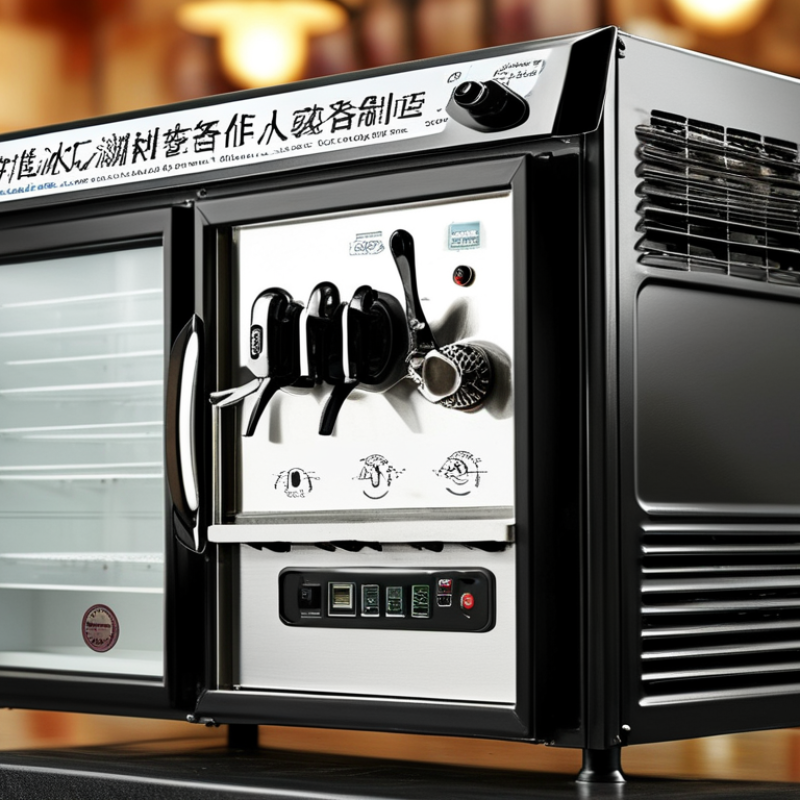
A leading Chinese manufacturer understands that equipment performance begins with the shop floor. Grand View Research valued the global ice cream market at USD 79.08 billion in 2022. This growth increases pressure on parlors to serve faster, cleaner, and more consistently. A dependable manufacturer should provide batch freezers, pasteurizers, display cabinets, and refrigeration systems that match local power conditions and production volume.
Stainless steel contact surfaces should resist corrosion and allow quick cleaning. Small details matter. A smooth hopper can reduce residue after each batch.
Practical engineering separates a supplier from a catalog seller. Equipment should maintain stable temperatures, protect texture, and limit unnecessary water or energy use.
The U.S. Department of Energy notes that commercial refrigeration can represent a significant share of food-service electricity consumption, so insulation and compressor efficiency deserve close testing.
Factory audits, load testing, spare-parts planning, and clear maintenance manuals support E-E-A-T in real operations. Ask for test records, not polished promises. Service response matters during a crowded weekend.
No machine is perfect. Some automated systems still require careful calibration and operator training. That weakness should be disclosed.
A reliable manufacturer explains cleaning intervals, expected output, noise levels, and realistic payback periods. CE, ISO 9001, and food-contact compliance can strengthen confidence, but certificates cannot replace field experience.
The best partner listens to the parlor’s menu, counter space, climate, and staff skills before recommending equipment.
A functional ice cream parlor begins with a clear production flow. Ingredients should move from storage to preparation, freezing, display, and service without crossing dirty areas. Essential equipment includes refrigerated storage, a pasteurizer, a batch freezer, and a hardening freezer. Each machine should match the expected daily output, not an imagined peak season.
Cold storage needs stable temperatures and easy-to-clean shelving. A batch freezer should offer consistent texture and simple control settings. For front-counter service, choose a display case with even cooling, bright visibility, and enough pan capacity. Tempered glass helps customers view flavors clearly. Small details matter.
Preparation sinks, stainless steel worktables, ingredient bins, and sealed waste containers support hygienic operations. A reliable ventilation system also reduces heat around freezing equipment. Check electrical load, drainage, water access, and floor space before ordering. Many layouts fail here. The equipment fits, but staff cannot move comfortably.
When comparing a China-based ice cream parlor equipment manufacturer, review technical drawings, material specifications, temperature records, installation guidance, and after-sales support. Food-contact surfaces should use suitable, corrosion-resistant materials. Documentation should align with local safety requirements. Ask for realistic production data, not only attractive catalog numbers. The first plan is rarely perfect; a trial workflow with staff can reveal blocked doors, awkward reaches, and wasted steps before installation.
China Best Ice Cream Parlor Equipment Manufacturer?
Chinese ice cream equipment manufacturers usually begin with the shop’s daily workflow. They study serving volume, available space, local power supply, and cleaning routines. A small parlour may need a compact batch freezer. A busy dessert counter often needs faster cooling and larger storage capacity. Engineers then build a prototype using food-contact stainless steel, insulated tanks, pumps, and temperature controls. The layout matters. Operators should reach valves and filters without dismantling half the machine.
Production combines machining, welding, refrigeration assembly, electrical installation, and repeated inspection. Workers check welds for rough edges and test whether seals remain stable after many cleaning cycles. Technicians measure freezing temperature, mix consistency, noise, and energy use. Software settings are adjusted during trial runs, not only on a computer screen. Not every prototype succeeds. A pump may create too much foam, or a door may be difficult to open with wet gloves. Those details seem minor until a real shift exposes them.
Reliable manufacturers keep records for materials, pressure tests, electrical checks, and final sanitation procedures. They also provide operating instructions, spare-part information, and practical maintenance training. Production can still improve. Some machines look efficient in testing but consume more power during peak demand. Honest evaluation requires longer trials, operator feedback, and occasional redesign. That discipline separates a polished machine from equipment that merely looks impressive.
Choosing the best manufacturer requires more than comparing prices or showroom photographs. In practical equipment assessments, I inspect stainless-steel surfaces, weld quality, door seals, and panel alignment. Food-contact areas should be smooth and easy to sanitize. Hidden gaps often become cleaning problems.
Safety must be documented, not merely promised. Ask for electrical test reports, overload protection, emergency controls, and clear operating instructions. A reliable manufacturer should explain temperature limits and cleaning procedures. Guards should protect operators from moving parts. Components must also suit the local power supply. Small details matter.
Energy efficiency deserves measured evidence. Request power consumption data during freezing, holding, and standby cycles. A well-insulated cabinet can reduce compressor operation during busy service hours. Variable-speed systems may improve control, but only when properly maintained. Ask about refrigerant compliance and replacement parts before signing a contract. After-sales training is equally important.
Test the machine under realistic conditions. Use the intended mix, serving volume, and room temperature. A unit that performs well when empty may struggle during a summer rush. I have seen attractive specifications hide disappointing recovery times. That mistake is easy to repeat. Manufacturers should provide factory testing records, warranty terms, and traceable service contacts. Still, documents cannot replace a live demonstration. A careful buyer should measure noise, surface temperature, cleaning time, and output consistency before approval.
Choosing the right Chinese ice cream parlor equipment manufacturer requires more than comparing prices. Grand View Research estimated the global ice cream market at about USD 79 billion in 2022. This growth increases demand for reliable freezers, pasteurizers, mixers, and display cabinets. Your supplier should understand production volume, local climate, shop layout, and cleaning routines.
Ask for verifiable factory details, material specifications, production videos, and test records. Food-contact surfaces should use suitable stainless steel, with accessible seals and drainage points.
Request performance data at your actual ambient temperature. A machine tested in a cool showroom may struggle in a busy, humid shop. Check compressor efficiency, noise levels, spare-part availability, and response times. Small details matter.
The International Energy Agency reports that buildings and appliances remain major energy users worldwide, so efficiency affects long-term operating costs. Compare energy consumption per operating hour, not only purchase prices.
Require a written warranty, installation drawings, electrical requirements, and remote troubleshooting procedures. Independent inspection before shipment can reveal weak welds or poor insulation. I would not accept attractive samples as proof of consistent production. That assumption can be expensive.
Review at least three completed installations, contact their operators, and confirm whether promised delivery dates were realistic. A few manufacturers may answer slowly. That is useful information. Reliability begins before the contract.
: Core equipment includes refrigerated storage, a pasteurizer, a batch freezer, and a hardening freezer. The workflow matters.
Match capacity to realistic daily output, available space, and staff movement. Do not design only for imagined peak demand.
Storage should maintain stable temperatures and include smooth, easy-to-clean shelving. Sealed containers help protect ingredients.
Choose even cooling, clear visibility, bright lighting, and enough pan capacity for expected flavors. Tempered glass improves viewing.
Include preparation sinks, stainless steel worktables, ingredient bins, and sealed waste containers. Keep dirty areas separate.
Check electrical load, drainage, water access, ventilation, door clearance, and floor space. Measure twice.
Request technical drawings, material specifications, temperature records, installation guidance, and maintenance information. A catalog number can mislead.
Testing should measure freezing temperature, mix consistency, noise, energy use, weld quality, and seal durability. Real operators should test it.
Staff can reveal blocked doors, awkward reaches, difficult valves, and wasted walking steps. The first plan may fail.
Useful support includes operating instructions, spare-part details, maintenance training, and practical installation guidance. Small gaps become expensive later.
Choosing the right Ice Cream Parlor Equipment manufacturer in China requires more than comparing prices. A leading manufacturer should combine reliable production capabilities, practical design expertise, consistent quality control, and responsive customer service. Essential equipment may include ice cream machines, display freezers, storage units, pasteurizers, mixing systems, counters, and cleaning facilities, all arranged to support efficient workflow, product presentation, and customer comfort.
Chinese manufacturers typically develop equipment through product design, material selection, precision fabrication, assembly, testing, and quality inspection. Buyers should evaluate food-contact safety, structural durability, temperature control, energy efficiency, ease of maintenance, certifications, customization options, production capacity, warranty terms, and after-sales support. The best choice is a supplier that understands the business’s menu, store size, expected output, and budget, then provides a complete and dependable solution rather than isolated machines. Careful communication, sample evaluation, factory verification, and clear technical agreements can help ensure long-term performance and a successful ice cream parlor operation.
