 CN Soft Serve
CN Soft Serve
CN Soft Serve
The 2026 Slushy Machine market is becoming more specialized, not simply larger. Global buyers now compare countertop units, floor-standing dispensers, frozen drink blenders, and high-capacity commercial systems. Each type serves a different operating rhythm. A cinema may need multiple tanks, while a small café may prefer one compact barrel.
Industry reports support this shift. Grand View Research’s foodservice equipment studies identify energy efficiency, automation, and compact designs as important purchasing trends. Mordor Intelligence’s commercial refrigeration research also highlights the rising value of temperature control and lower operating costs. These findings matter because a Slushy Machine can run for many hours beside a warm service counter. Poor ventilation, unstable power, or weak insulation can quickly increase waste.
Market forecasts should still be read carefully. Reported growth rates differ across research firms, partly because product categories and regional definitions are inconsistent. That is an important limitation. Buyers should not choose equipment from a headline percentage alone. They should examine tank capacity, freezing speed, cleaning access, refrigerant specifications, warranty coverage, and local service support. NSF, CE, UL, or equivalent certifications may also influence regional purchasing decisions, depending on the destination market.
This guide introduces the leading Slushy Machine types expected to matter in 2026. It connects equipment design with real operating conditions, from busy beverage kiosks to hotel buffets and seasonal events. Some recommendations may remain debatable. A larger machine is not always better. The best choice usually balances demand, footprint, energy use, maintenance skill, and total ownership cost.
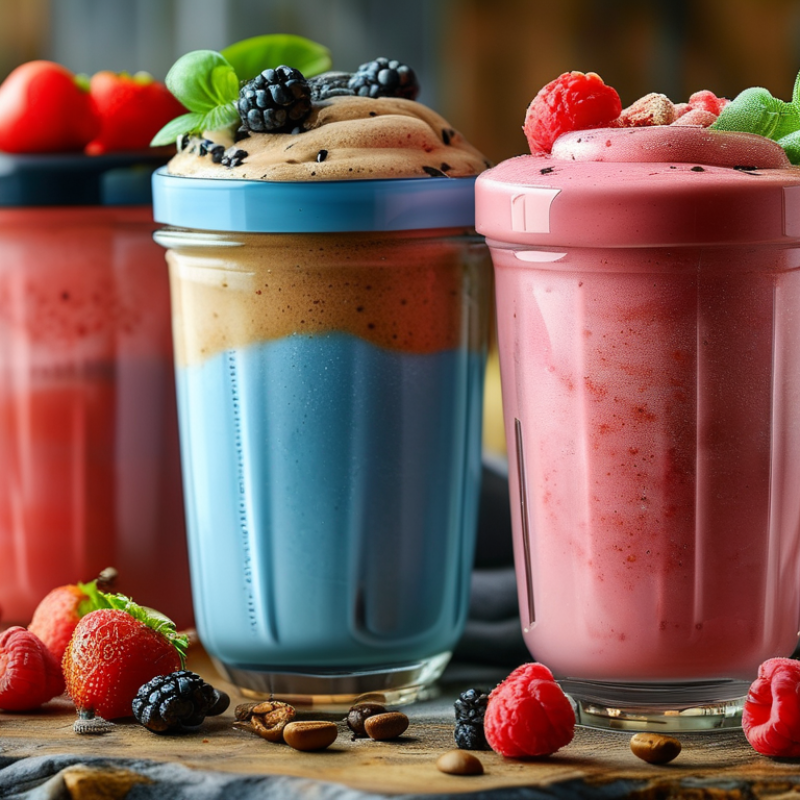
For global buyers, a slushy machine is more than a cold drink dispenser. Its basic system includes a freezing cylinder, mixing auger, hopper, control panel, and drainage points. Countertop models suit cafés with limited space, while floor-standing units support higher daily volume. Some machines use one bowl; others offer two flavors. Choose capacity from actual sales, not optimistic forecasts.
Temperature control affects texture, speed, and energy use. A reliable unit should maintain a stable freezing range without producing hard ice blocks. Look for food-grade contact surfaces, clear lids, simple cleaning access, and overload protection. Stainless steel construction is useful, but thick metal alone does not prove good performance. Check seals, hinges, and the auger area carefully. Small details matter.
In practical inspections, I would test noise, recovery time, and consistency after several serving cycles. A machine may perform well when empty and struggle during a busy afternoon. Ask for voltage, plug, refrigerant, warranty, spare-part, and service information before ordering internationally. Confirm whether the unit matches local electrical conditions. Do not guess. My own checklist is not perfect, because climate, transport, and operator habits change results. Buyers should also consider cleaning time, water access, counter height, and staff training. A cheaper machine can become expensive when daily maintenance is awkward.
Match capacity with actual daily servings, not the largest tank advertised. A compact unit suits cafés serving about 20 to 40 cups daily. Busy restaurants may need floor-standing equipment. An oversized tank can cool slowly. Bigger is not always better.
Single-bowl machines save counter space and usually use less energy. Double-bowl models provide two flavors but often consume more power. Choose based on real menu demand. Two flavors may not justify extra electricity.
Air-cooled systems are common and usually easier to maintain. They need open space around ventilation areas. Water-cooled systems may work steadily in hot rooms. They require more installation planning. Check room temperatures carefully.
Insulated bowls, standby controls, and adjustable freezing settings can reduce electricity use. Measure power during cooling, serving, and overnight holding. A low-power model may cool slowly during busy periods. That trade-off matters. Published figures may not match real use.
Check local voltage, frequency, plug design, and temperature limits before ordering. Refrigerant requirements may also differ between markets. One approval document may not cover every destination. Request market-specific electrical and food-contact documentation. Small details matter.
Inspect seals, mixing paddles, drip trays, and condenser airflow. Rinse the machine daily, then follow the scheduled sanitizing routine. Sugar residue can harden around valves within hours. Keep a seal kit and scraper nearby. Cleaning is not optional.
Make sure technicians can reach filters, control panels, and internal components. A compact design may save floor space but increase labor costs. Ask for manuals in the destination language. Request clear cleaning diagrams and parts lists. Space planning is easy to underestimate.
Support should cover installation guidance, troubleshooting videos, spare parts, and response times. Ask for item codes and expected shipping periods. Warranty terms should explain compressors, pumps, electronics, and seals. Test the support channel before purchase with practical questions. Promises need evidence.
Yes, modular capacity and replaceable components can help when demand changes. Forecasts are imperfect, especially for seasonal cafés and event counters. Flexible equipment may reduce the cost of unexpected growth. I would still verify compatibility carefully. Plans can be wrong.
Choosing the right Slushy Machine is essential for businesses seeking consistent product quality, efficient operation, and long-term value. This guide explains the basic structure and key features of modern machines, including freezing cylinders, mixing systems, temperature controls, and dispensing mechanisms. It also introduces common machine types, such as single-bowl, multi-bowl, countertop, and high-capacity models, while describing how their cooling and mixing principles affect performance. Buyers can compare storage capacity, cooling methods, power consumption, operating speed, and cleaning requirements to identify the most suitable option.
Different businesses have different priorities: small cafés may need compact and flexible equipment, while restaurants, entertainment venues, and large retailers may require higher capacity and continuous service. For global purchasing, important considerations include electrical standards, voltage compatibility, food-contact safety, local certification requirements, spare-parts availability, maintenance procedures, warranty coverage, and after-sales support. A careful evaluation of daily demand, available space, energy efficiency, service resources, and total ownership cost can help international buyers make a practical and reliable investment.
